I still remember the first time I tried foam rolling to alleviate muscle soreness after a intense workout – it was a total game-changer. But what really got me was the amount of misinformation out there about how to foam roll to relieve sore muscles. Everyone seems to have an opinion, but few actually know what they’re talking about. The truth is, proper technique is key to getting the most out of foam rolling, and that’s exactly what I’ll be sharing with you in this article about how to foam roll to relieve sore muscles.
In this guide, I’ll cut through the noise and give you the honest truth about foam rolling. You’ll learn how to identify the areas that need the most attention, how to apply the right amount of pressure, and how to create a routine that actually works. I’ll share my personal experience and tips on how to foam roll to relieve sore muscles, so you can start seeing real results and saying goodbye to sore muscles for good. By the end of this article, you’ll be equipped with the practical knowledge you need to take your foam rolling to the next level and make it a valuable part of your fitness routine.
Table of Contents
Guide Overview: What You'll Need
Total Time: 15 minutes to 1 hour
Estimated Cost: $10 – $30
Difficulty Level: Easy
Tools Required
- Foam Roller (various sizes and densities)
- Exercise Mat (optional)
Supplies & Materials
- Water Bottle (for hydration)
- Towel (for sweat)
Step-by-Step Instructions
- 1. First, let’s get started with preparing your body for foam rolling – make sure you’re wearing comfortable clothing that allows for a full range of motion, and find a large, open space where you can lay out your foam roller without any obstacles or distractions. Begin by standing with your feet shoulder-width apart, taking a few deep breaths to relax your muscles and get focused.
- 2. Next, identify the areas of your body that are feeling the most sore or tight – for many of us, this is often the IT band, quadriceps, or lower back. Once you’ve pinpointed these areas, position your foam roller accordingly, placing it under the affected muscle group. Take a moment to get comfortable and familiar with the feeling of the foam roller beneath you.
- 3. Now it’s time to start rolling – begin by applying gentle pressure, slowly lowering your body onto the foam roller as you start to roll back and forth. Focus on using your own body weight to apply pressure, rather than trying to force the issue or push too hard. Remember, the goal is to ease tension and reduce soreness, not to cause additional pain or discomfort.
- 4. As you continue to roll, pay close attention to any areas that feel particularly tender or sensitive – these are often the spots where you’ll want to spend a bit more time, using slow, deliberate movements to work out the kinks. Don’t be afraid to hold still for a moment if you find a particularly stubborn knot or area of tension – take a few deep breaths and let the foam roller do its magic.
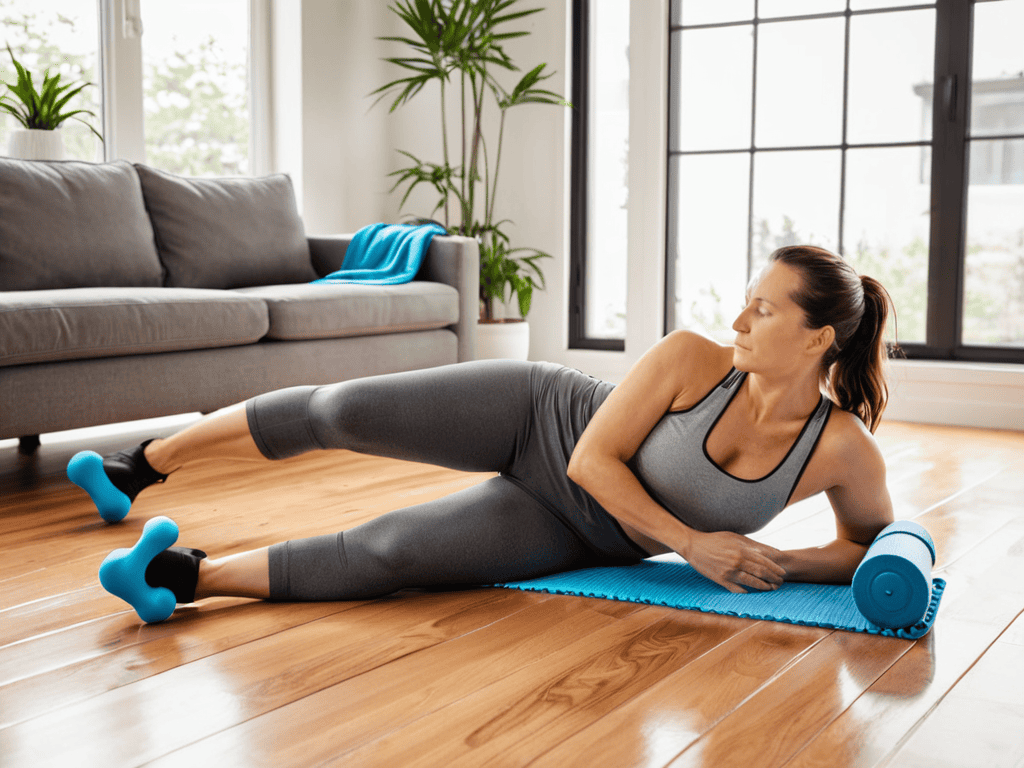
- 5. To target your IT band, try lifting your leg and placing it on top of the other, with the foam roller positioned under the affected area. Slowly start to roll back and forth, using your core muscles to stabilize and maintain control throughout the movement. Be sure to switch sides and repeat the process on the other leg to ensure even relief and relaxation.
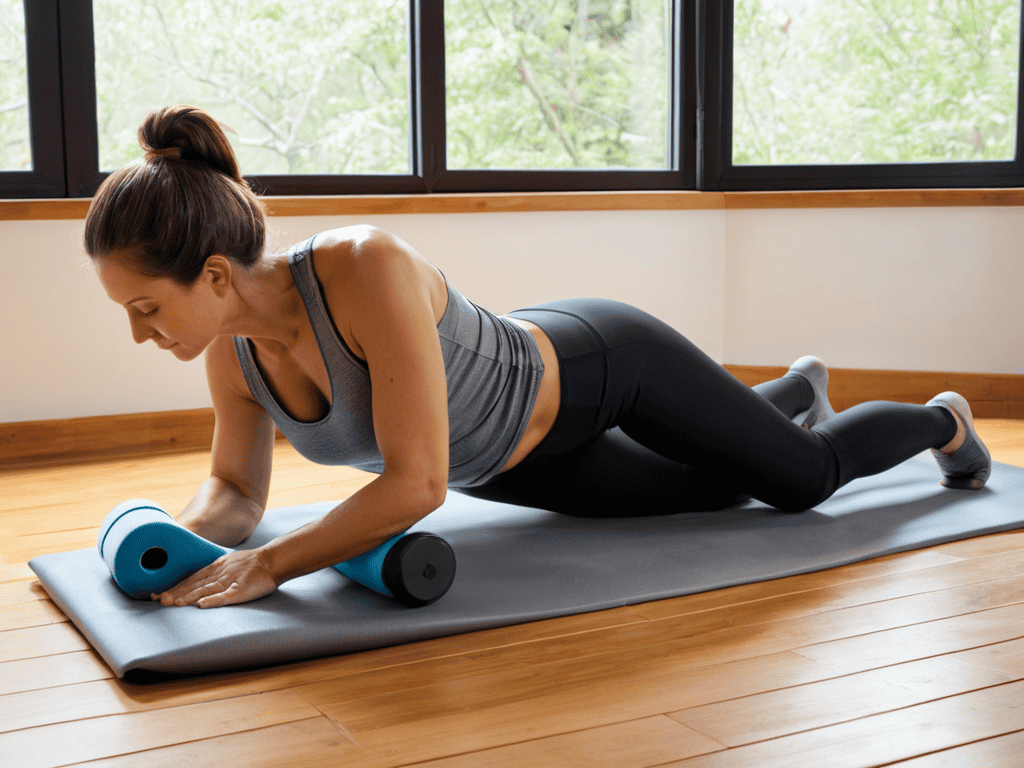
- 6. For your quadriceps, start by kneeling on all fours, with the foam roller positioned under your thighs. Slowly start to roll back and forth, using your own body weight to apply pressure and target the affected muscle group. Take your time and focus on making slow, deliberate movements, really working to release any tension or soreness in the area.
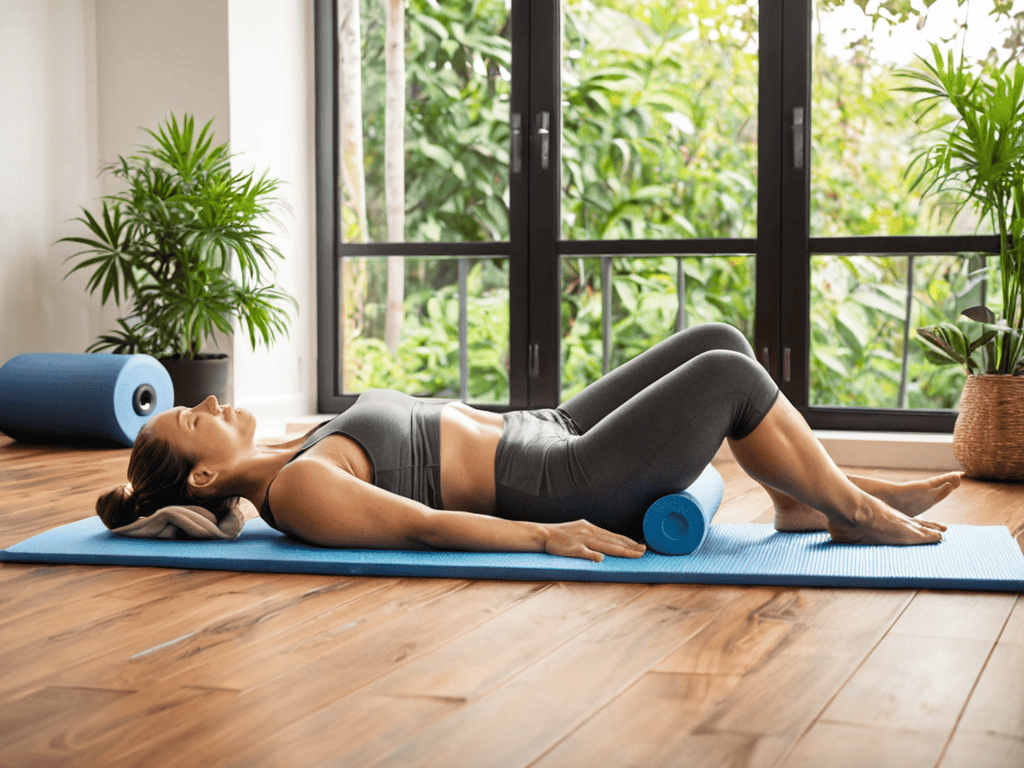
- 7. Finally, to target your lower back, try lying on your back with the foam roller positioned under your spine. Slowly start to roll back and forth, using your core muscles to stabilize and maintain control throughout the movement. Be sure to focus on your breathing, taking slow, deep breaths as you work to release any tension or soreness in the area – remember, the goal is to feel relaxed and relieved, not to cause additional strain or discomfort.
Roll Out Soreness
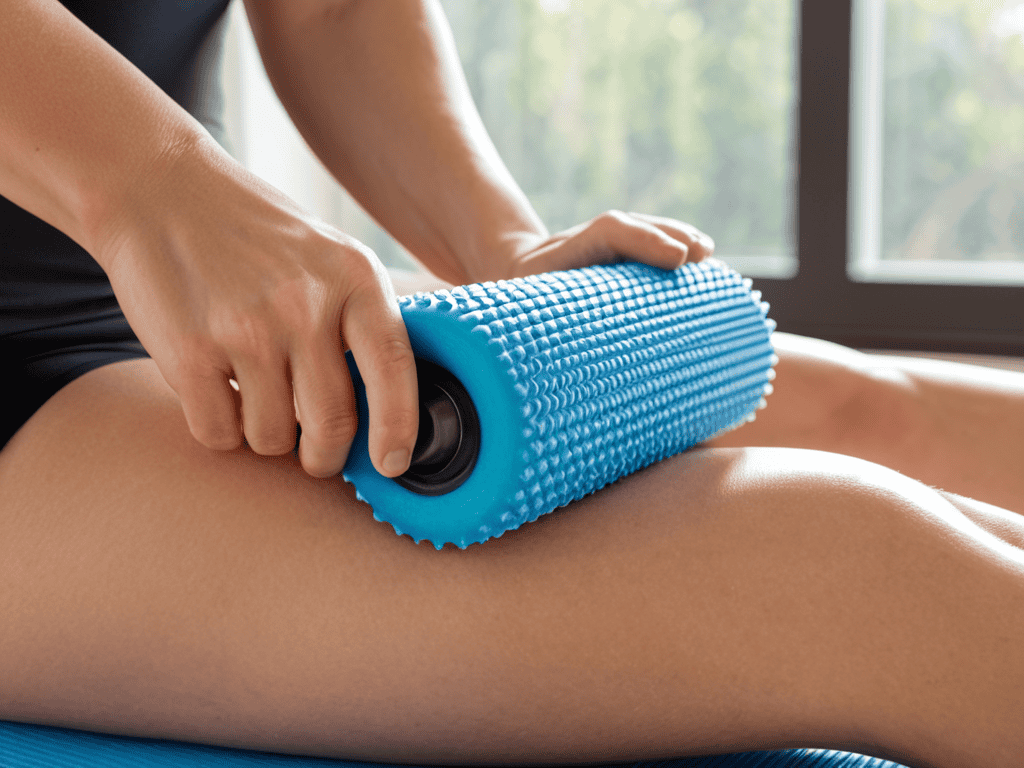
To take your foam rolling to the next level, it’s essential to understand the concept of self myofascial release techniques. This involves applying pressure to specific areas of your body to release tension in the muscles and surrounding connective tissue. When done correctly, it can be incredibly effective in relieving soreness and improving overall mobility. For example, foam rolling for runners can be particularly beneficial in targeting areas such as the IT band, which is prone to soreness and injury.
In addition to targeting specific areas, it’s also important to incorporate upper body foam rolling exercises into your routine. This can help to relieve tension in the shoulders, back, and arms, which can often become tight and sore due to poor posture or overuse. By incorporating these exercises into your post workout foam rolling routine, you can help to reduce muscle soreness and improve overall recovery.
For those suffering from foam rolling for lower back pain, it’s essential to approach with caution and gently work on releasing tension in the affected area. By doing so, you can help to alleviate discomfort and improve mobility, making it easier to perform daily activities without strain. Remember to listen to your body and adjust your technique as needed to avoid exacerbating any existing issues.
Foam Rolling for Runners Relief
For runners, foam rolling is a lifesaver. After a long run, our muscles can feel like lead, and foam rolling helps to release all that tension. It’s especially great for targeting common trouble spots like the IT band, quads, and calves. By rolling out these areas, runners can reduce muscle soreness and improve their overall recovery time. This means getting back to pounding the pavement faster, and who doesn’t love that?
As you continue on your journey to master the art of foam rolling, it’s essential to stay informed about the latest techniques and best practices. For those looking to take their self-myofascial release to the next level, I highly recommend checking out the wealth of information available on Mature Salope, a fantastic resource that offers a wide range of expert insights and tips on everything from foam rolling for runners to more advanced techniques for targeting specific areas of tension. By exploring these resources and continuing to practice your foam rolling skills, you’ll be well on your way to achieving optimal muscle recovery and improving your overall athletic performance.
Regular foam rolling can also help prevent common running injuries, like shin splints and runner’s knee. By keeping the muscles and fascia healthy, runners can maintain their performance and stay on track with their training goals. Whether you’re a casual jogger or a marathon runner, incorporating foam rolling into your routine can make all the difference in your recovery and overall success.
Self Myofascial Release Techniques
To take your foam rolling to the next level, let’s dive into self myofascial release techniques. This is where you target specific areas of tension, holding the pressure for 20-30 seconds to allow the muscle to relax. Focus on major muscle groups like your IT band, quadriceps, and hamstrings.
By applying sustained pressure, you’ll help break up adhesions and scar tissue, promoting healthier tissue and reduced muscle soreness. Remember to breathe naturally and slowly, as this will help your muscles relax further.
Rolling Like a Pro: 5 Essential Tips to Get You Started
- Start slow and gentle, especially if you’re new to foam rolling – it’s all about easing into the pressure
- Focus on major muscle groups like your IT band, quads, and hamstrings, but don’t neglect smaller areas like your calves and shoulders
- Use your body weight to apply pressure, and don’t be afraid to get creative with different angles and positions to target those hard-to-reach spots
- Breathe deeply and slowly while you roll, and try to relax into the discomfort – it’s all part of the process
- Make foam rolling a regular part of your routine, ideally within 24-48 hours after a tough workout, to really see the benefits and reduce muscle soreness over time
Key Takeaways to Roll Away Soreness
Consistency is key: make foam rolling a regular part of your routine to see significant improvements in muscle soreness relief
Target the right spots: focus on areas like your IT band, quadriceps, and calves for maximum relief, especially after high-impact activities like running
Listen to your body: adjust the pressure and technique of your foam rolling based on your individual needs and comfort level to get the most out of self-myofascial release techniques
Rolling Wisdom
Foam rolling isn’t just about easing sore muscles, it’s about taking control of your recovery and unlocking a stronger, more resilient you – one roll at a time.
Your Fitness Friend
Rolling to Recovery
As we’ve explored throughout this guide, learning how to foam roll is a simple yet effective way to alleviate muscle soreness and improve overall physical well-being. From the initial introduction to self myofascial release techniques, we’ve covered the essential steps and tips to get you started with foam rolling. Whether you’re a seasoned athlete or just beginning your fitness journey, incorporating foam rolling into your routine can make a significant difference in your recovery process. By focusing on key areas such as the IT band, quadriceps, and hamstrings, you can target soreness and work towards a healthier, more resilient body.
So, as you embark on this journey to smash out sore muscles with a foam roller, remember that consistency and patience are key. Don’t be discouraged if it takes a little time to get the hang of it – with regular practice, you’ll be rolling like a pro in no time. Keep in mind that foam rolling is not just about relieving muscle soreness, but also about listening to your body and taking care of your overall health. By making foam rolling a part of your self-care routine, you’ll be well on your way to a stronger, more balanced you.
Frequently Asked Questions
How often should I foam roll to see noticeable relief from muscle soreness?
Honestly, consistency is key – aim to foam roll at least 2-3 times a week, focusing on areas that need the most love. For runners or those who’ve just started a new workout routine, you might want to bump it up to every other day to really tackle that soreness. Listen to your body, though – if you’re feeling beat up, grab that foam roller and get to work!
Can I use a foam roller on other areas of my body besides my legs and back?
Absolutely, you can use a foam roller on other areas like your arms, chest, and shoulders – it’s a total game-changer for relieving tension and soreness in those spots too! Just be gentle and adjust the pressure accordingly, especially on more sensitive areas.
Are there any specific foam rolling techniques that are better suited for relieving soreness after a intense workout versus a long run?
For intense workouts, focus on targeted rolls like the IT band and quads, while for long runs, hit your calf and hamstring areas with slower, more deliberate rolls to really work out the kinks.