I remember sitting in a cramped, overpriced “networking mixer” in Chicago during my first year after grad school, clutching a lukewarm cocktail and feeling more like a ghost in a machine than a human being. Everyone was trading LinkedIn profiles like they were exchanging digital currency, yet the room felt utterly devoid of soul. It’s the great modern paradox: we have more tools than ever to connect, yet we’ve turned the organic process of finding community into this sterile, high-pressure performance. If you’re currently staring at your phone, wondering how to meet locals when you move to a new city without feeling like you’re auditioning for a role you didn’t sign up for, please know that the “hustle harder” advice is absolute nonsense.
I’m not here to give you a list of generic apps or tell you to join a professional seminar. Instead, I want to explore the analog friction that actually creates real bonds—the tiny, unscripted intersections where technology and physical presence meet. We’re going to look at how to leverage digital tools to find your “tribe” without letting them become your entire world, focusing on building authentic human connections that actually stick.
Digital Bridges and Networking for Social Connections
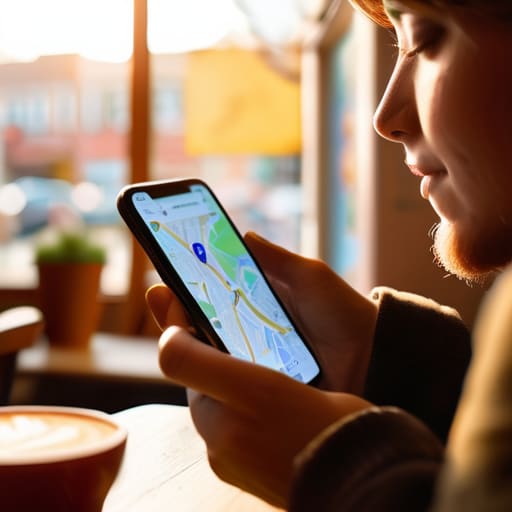
I often find myself tinkering with my collection of old Sony Walkmans, marveling at how they once served as these solitary, tactile cocoons of sound. Today, our digital tools act quite differently; they are less like private sanctuaries and more like the connective tissue of our social existence. When it comes to making friends in a new city as an adult, I’ve found that our screens shouldn’t be barriers, but rather sophisticated scouting tools. Instead of doomscrolling, I treat platforms like Meetup or niche Discord servers as a sort of digital compass, helping me map out the hidden topography of my new neighborhood before I even step foot in a coffee shop.
The trick is to use these digital signals to spark real-world friction. I’m a big believer in finding local social groups and clubs that align with your actual, uncurated interests—think less “professional networking” and more “finding the people who also obsess over mid-century architecture or obscure synth-pop.” It’s about using the internet to bypass the superficial and dive straight into the subtle rhythms of a local community, turning a cold, digital interface into a warm, human handshake.
Finding Local Social Groups and Clubs via Analog Curiosity
While my digital toolkit is vast, I often find myself retreating to the tactile charm of the physical world when I feel the itch of isolation. There’s a certain magic in the “analog” approach that a high-speed algorithm simply can’t replicate. I like to think of it as looking for the human signal amidst the digital noise. Instead of endlessly scrolling through event apps, I’ve started frequenting local community boards in coffee shops or tucked-away bookstores—much like how I used to hunt for rare, unlisted tracks on those old, clunky early MP3 players.
Seeking out finding local social groups and clubs through these physical touchpoints often leads to the most authentic encounters. Whether it’s a niche pottery workshop or a weekend hiking collective, these spaces offer a sense of shared intentionality that digital pings lack. For many of us, making friends in a new city as an adult feels daunting, but stepping into a room where people are actually looking at each other, rather than their screens, changes the entire energetic frequency of the interaction. It’s about finding those analog anchors that ground you in your new geography.
The Micro-Rituals of Urban Integration
- Become a “regular” at a single, low-stakes physical node, like a neighborhood coffee shop or a specific corner bookstore. Much like how an early MP3 player becomes a personalized soundtrack to your life, these repetitive physical interactions create a sense of rhythm and familiarity that eventually turns strangers into nodding acquaintances.
- Leverage the “hyper-local” digital layer by joining neighborhood-specific forums or apps that focus on micro-communities rather than broad social networks. Think of these as the digital equivalent of a community bulletin board; they allow you to spot the small, niche interests that can serve as the initial handshake for real-world friendships.
- Volunteer for a cause that requires tactile, hands-on participation. There is something about the shared physical labor of a community garden or a local food pantry that bypasses the awkwardness of digital small talk and builds a foundation of shared values through direct, human action.
- Attend “low-pressure” cultural events, such as gallery openings or small-scale lecture series, where the focus is on an object or an idea rather than on yourself. This allows you to exist in a social space without the performance anxiety of a party, letting connections form naturally around a shared curiosity.
- Practice the art of “intentional wandering” without a GPS. By occasionally putting the phone away and navigating by landmarks and intuition, you force yourself to interact with the physical geography of your new home, making you more likely to stumble upon those charming, unmapped local haunts where the true heartbeat of a city resides.
The Final Connection
As we’ve navigated through the layers of this urban migration, it’s clear that finding your tribe isn’t a single event, but a series of intentional calibrations. We’ve looked at how to leverage the digital architecture of your new home through targeted networking, while also remembering to step away from the screen to engage in that beautiful, unpredictable analog curiosity that local clubs and physical spaces provide. Whether you are scouring niche forums or wandering into a community pottery workshop, you are essentially building your own personal social operating system—one that requires both the efficiency of modern tools and the unpredictable warmth of human spontaneity.
Moving to a new city can often feel like trying to boot up a piece of vintage hardware without a manual; it’s glitchy, sometimes frustrating, and occasionally leaves you feeling quite isolated. But much like my collection of old MP3 players, there is a profound, tactile beauty in the process of discovery and the slow buildup of data. Don’t be afraid to embrace the “loading” phase of your new life. If you remain open to the subtle signals of your surroundings, you will eventually find that your new city isn’t just a collection of coordinates on a map, but a vibrant, living network waiting for your unique frequency to join the song.
Sometimes, the most profound connections aren’t found in the grand, sweeping gestures of a city, but in the more intimate and niche digital corners where shared interests and specific demographics intersect. Much like how I used to sift through bins of discarded early MP3 players to find that one rare, perfectly preserved track, finding your “tribe” often requires a bit of intentional, granular searching. If you find yourself looking for more specialized social avenues that cater to specific life stages or unique interpersonal dynamics, exploring platforms like https://milfchatusa.com/ can act as a sort of digital compass, helping you navigate toward communities that feel a little less anonymous and a lot more aligned with your actual lived experience.