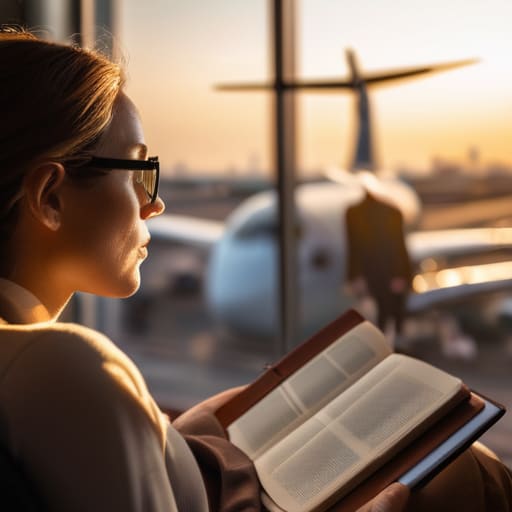
I remember sitting in a dim, cobblestone cafe in Prague last autumn, clutching a lukewarm espresso and staring at my phone, desperately scrolling through Instagram just to feel like I was part of something. It’s that specific, hollow ache—the one that hits when you realize you’ve reached a breathtaking landmark but have no one to turn to and say, “Can you believe this?” Most travel influencers would tell you the secret is to join a massive, curated tour group or live in a social hostel, but let’s be real: that’s just trading one kind of performance for another. If you’re searching for how to travel alone without being lonely, you don’t need a forced social itinerary; you need a way to bridge the gap between your digital presence and your physical reality.
I’m not here to sell you on “finding your tribe” through expensive workshops or superficial small talk. Instead, I want to share the unfiltered, messy, and beautiful ways to cultivate genuine connection while maintaining your own autonomy. Drawing from my background in digital anthropology and my own solo wanderings, I’ll show you how to navigate the world with intention, ensuring your solitude feels like a deliberate choice rather than a technical glitch in your social life.
Nurturing the Soul Benefits of Solo Travel for Mental Health
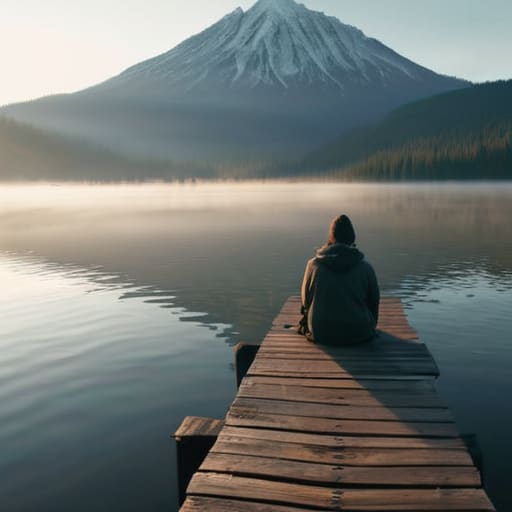
There’s a specific kind of magic that happens when you strip away the constant feedback loop of your usual social circle. It’s a bit like finding an old, unplayed iPod Shuffle in a drawer—suddenly, the noise of the world fades, and you’re left with just your own rhythm. I’ve found that the benefits of solo travel for mental health often lie in this very silence. Without the need to negotiate dinner plans or curate your personality for a companion, you undergo a profound psychological recalibration. It’s a chance to witness your own thoughts without the interference of external expectations, allowing you to process life at your own frequency.
However, this isn’t about becoming a hermit; it’s about intentionality. While the solitude offers a sanctuary for self-reflection, we are still social creatures by design. The trick is learning how to overcome loneliness on solo trips by shifting your perspective from “being alone” to “being available.” When you travel solo, you aren’t closed off; you are simply an open circuit, waiting for the right connection to spark. It turns the experience from a lonely excursion into a purposeful journey of self-discovery.
Digital Bridges Solo Travel Community Engagement in a Wired World
While I often find myself lost in the tactile nostalgia of my collection—last week I was obsessively organizing my old Sony Walkmans—I’m acutely aware that our modern connectivity offers a different kind of magic. We aren’t trekking through the wilderness with nothing but a compass and a prayer; we have the digital tether. To master solo travel community engagement, I look to our devices not as barriers, but as portals. Using niche forums or location-based apps isn’t “cheating” at solitude; it’s more like using a high-speed modem to find your tribe in a sea of strangers.
The trick lies in moving from the screen to the sidewalk. I’ve found that the most effective solo travel social connection tips involve using digital prompts to facilitate real-world spontaneity. Join a walking tour via an app, or hop into a localized Discord server for travelers in your city. It’s about using that digital spark to ignite a physical flame. By seeking out these micro-communities, you aren’t just avoiding isolation; you are actively finding companionship during solo travel that feels organic, intentional, and beautifully unscripted.
The Analog and Digital Toolkit: 5 Ways to Stay Connected to the Human Frequency
- Seek out the “Third Places” of your destination—think cozy, dimly lit bookstores or local craft markets rather than just sterile hotel lobbies. These are the physical hubs where spontaneous, low-stakes human interaction happens naturally, much like how we used to linger near a landline in a bustling cafe.
- Master the art of the “Micro-Interaction.” You don’t need a deep, soul-baring conversation to feel seen; a shared laugh with a street food vendor or a quick chat with a barista about the weather can act as a tiny social recharge that keeps the loneliness at bay.
- Curate your digital presence to be a bridge, not a barrier. Instead of doomscrolling through your friends’ curated lives back home, use your tech to join local interest groups or niche walking tours. Use your phone as a compass to find people, rather than a shield to hide behind.
- Carry a physical artifact of your journey, like a film camera or a well-worn journal. There is something about the tactile nature of these objects that invites curiosity from others; a stranger might ask about your vintage Leica, providing a much more organic opening for connection than a generic “hello” on a travel app.
- Schedule “Social Anchors” into your itinerary. Whether it’s a weekly language exchange meetup or a recurring reservation at a communal dining table, having these predictable moments of human contact prevents the feeling of drifting aimlessly through a sea of strangers.
The Art of the Solo Journey
As we navigate the delicate balance between solitude and connection, it becomes clear that traveling alone isn’t about retreating from the world, but rather about recalibrating your own frequency. We’ve explored how intentional solo travel can act as a profound reset for your mental health and how, even in a hyper-connected era, we can use our digital tools to build authentic bridges rather than just scrolling through a curated void. Much like my old Sony Walkman—which once served as my singular, comforting anchor in crowded subway stations—the right blend of introspection and strategic community engagement allows us to move through the world with a sense of purposeful presence rather than isolation.
Ultimately, the goal of the solo traveler isn’t to avoid loneliness, but to master the beautiful, slightly chaotic dance of being alone without being lonely. It is about realizing that the most meaningful connections often happen when we are most comfortable in our own skin, standing amidst the analog splendor of a foreign street corner. So, pack your bags, charge your devices, but leave plenty of room for the unexpected. The world is waiting to meet you, not as a passenger in someone else’s story, but as the intentional architect of your own.
Of course, navigating the social landscape of a new city can sometimes feel like trying to boot up an old, finicky Discman—it’s a bit unpredictable and requires a certain level of patience to find the right rhythm. If you find yourself craving a more visceral, human connection that moves beyond the sterile scrolling of a travel app, I’ve found that leaning into the local pulse of a city can be incredibly grounding. Sometimes, finding your footing means exploring the more intimate, unfiltered layers of a destination, much like how I might dive into the local nightlife of a new metro area to truly feel its heartbeat; for instance, looking into local hubs like sexinatlanta.com can be a way to tap into the raw, authentic energy of a place, helping you transition from a mere spectator to an active participant in the city’s unique social fabric.