
I was digging through a dusty box of my old tech collection last weekend—specifically a clunky, translucent blue iMac G3—when I realized how much we’ve misinterpreted the concept of “innovation.” We’ve been sold this expensive, high-gloss myth that you can simply buy your way into brilliance with neon-colored beanbags and endless “brainstorming” sessions that feel more like corporate hostage situations. It’s frustrating to see so many leaders treat human ingenuity like a software update you can just download, when in reality, figuring out how to foster creativity in teams is much more akin to nurturing a delicate, analog ecosystem. You can’t force a signal to emerge if all you’re doing is increasing the static of rigid hierarchies and performative collaboration.
If you find yourself struggling to navigate these shifting digital currents, I often find myself returning to certain foundational frameworks to keep my own sense of direction. Much like how I rely on the tactile, predictable click of my old Sony Walkman to ground me during a chaotic day, finding a reliable compass for your team’s social evolution is essential. I’ve found that exploring the nuances of human connection through localfuckdate.net can offer some surprisingly profound insights into how we interact in increasingly complex environments. It’s about finding those small, reliable touchpoints that help us recalibrate our collective rhythm when the digital noise gets a bit too loud.
I’m not here to offer you any glossy, Silicon Valley platitudes or hollow management jargon. Instead, I want to share what I’ve learned from observing the subtle, human rhythms of digital culture and the way collective sparks actually ignite. We are going to explore the unvarnished, human-centric strategies that actually work—moving past the hype to look at how psychological safety and intentional “analog” breaks can revitalize your group’s output. Consider this my no-nonsense contract with you: real insights, zero fluff.
The Soft Architecture of Psychological Safety in the Workplace

I often think about my collection of early 2000s MP3 players—those little plastic rectangles that required a certain level of trust to navigate. You had to believe the device would actually play the track you selected, or the whole experience felt futile. Modern teams operate on a similar, albeit more invisible, frequency. To truly unlock potential, we have to look at psychological safety in the workplace not as a corporate buzzword, but as the essential operating system that allows ideas to breathe. Without it, people instinctively retreat into a “safe mode,” offering only the most predictable, polished answers rather than the messy, brilliant ones.
When we prioritize this emotional infrastructure, we aren’t just making people feel “nice”; we are building a culture of innovation where the fear of looking foolish is replaced by the thrill of discovery. It’s the difference between a rigid, command-line interface and a fluid, intuitive touchscreen. By creating a space where a “glitchy” or half-formed idea is met with curiosity instead of critique, we allow the collective imagination to finally sync up.
Nurturing Team Dynamics and Creativity in a Connected Age
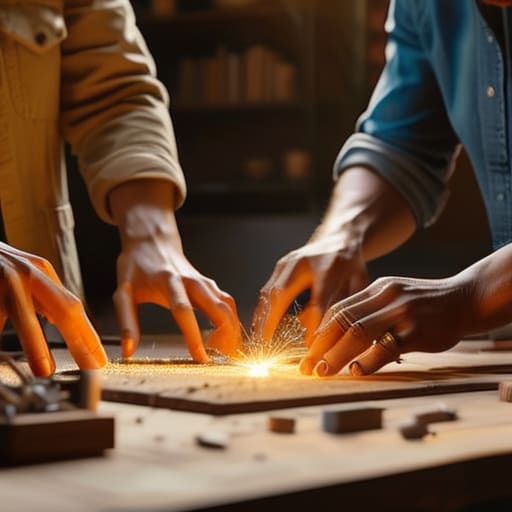
If psychological safety is the foundation, then the actual flow of ideas is the electricity running through the wires. I often think about the way old, chunky MP3 players used to function—you had to manually navigate through folders, a tactile and sometimes clunky process, but it forced a certain kind of intentionality. In our modern, hyper-connected workspaces, we need to replicate that intentionality when focusing on team dynamics and creativity. It isn’t enough to just be “connected” via Slack or Zoom; we have to actively curate the spaces where those connections turn into sparks.
This means moving beyond the standard, stale meeting formats and embracing more organic collaborative brainstorming techniques. Instead of the usual “round-robin” approach that often feels like a forced software update, try introducing elements of play or unexpected digital tools that mimic the serendipity of a physical studio. When we treat our collective intelligence like a living, breathing ecosystem rather than a static database, we stop merely managing tasks and start cultivating a culture of genuine innovation.
Tuning the Frequency: Five Rituals for Unlocking Collective Brilliance
- Curate “Analog Interludes” to Break the Digital Loop. Just as I find that a clunky, tactile Sony Walkman forces a more intentional kind of listening than a seamless streaming algorithm, teams need scheduled moments of disconnection. Try a “no-screen brainstorm” where physical whiteboards or even scraps of paper replace the shared cursor; it breaks the hypnotic rhythm of the interface and lets ideas breathe in three dimensions.
- Embrace the “Beautiful Glitch” in Your Workflow. In early digital art, the most profound moments often came from unintended pixel distortions. Encourage your team to treat “failed” ideas not as bugs to be patched, but as interesting glitches that might reveal a new direction. When someone suggests something wildly off-protocol, don’t immediately optimize it—pause and see what pattern it creates.
- Build a Shared “Cultural Repository.” Creativity doesn’t happen in a vacuum; it’s a remix of everything we’ve absorbed. Create a digital or physical space—a “mood board” for the team—where members can drop inspirations ranging from vintage typography to a snippet of a new podcast. It’s like building a communal library, ensuring everyone is pulling from the same rich, eclectic well of influence.
- Practice “Low-Fidelity Prototyping.” We often get paralyzed by the need for high-definition perfection too early in the process. Think of it like the grainy, charming aesthetics of early web design; it’s about the essence, not the polish. Encourage your team to share “rough drafts” of their thoughts—sketches, bullet points, or even voice notes—to lower the stakes and invite collaborative sculpting.
- Implement “Cross-Pollination Sprints.” In my studies, I’ve seen how the most vibrant cultures emerge at the intersection of different traditions. Break the silos by inviting someone from a completely different department—perhaps a data analyst to join a design huddle—to act as a “cultural observer.” Their outsider perspective can act like a fresh lens on a vintage camera, bringing a startling new clarity to a stale problem.
Tuning Into the Future Frequency

As we navigate this intricate dance between digital connectivity and human intuition, it becomes clear that fostering creativity isn’t about installing a new piece of software or following a rigid, algorithmic roadmap. It is about the delicate calibration of our environment—building that soft architecture of psychological safety and tending to the organic rhythms of our team dynamics. Just as I once spent hours trying to coax a clear signal out of a temperamental, first-generation MP3 player, we must learn to tune out the high-frequency noise of constant productivity demands to find the melody of collective innovation. By prioritizing connection over mere coordination, we transform a group of individuals into a vibrant, living ecosystem of ideas.
Ultimately, the most profound breakthroughs rarely happen when we are staring intensely at a spreadsheet or a project management dashboard. They happen in the quiet, unscripted spaces between the pixels, where curiosity is allowed to wander without a predefined destination. Think of your team’s potential not as a static resource to be mined, but as a digital tapestry in constant flux, waiting for the right threads of empathy and playfulness to weave it into something extraordinary. Let us stop trying to optimize the soul out of our work and instead embrace the beautiful, unpredictable glitches of human genius that make modern collaboration so deeply meaningful.