
I was rummaging through a box of old electronics last weekend—the kind of tactile treasure hunt that usually ends with me dusting off a beloved, chunky first-gen MP3 player—when I found a prototype for a digital organizer that never actually made it to market. It was beautiful, sleek, and utterly useless because it ignored the most basic human habit of jotting notes on a scrap of paper. It reminded me that so many teams today fall into the same trap: they get so intoxicated by the “next big thing” that they lose sight of the person actually holding the device. We often mistake technical complexity for progress, but ignoring the messy, unpredictable ways people interact with tools is one of the most common mistakes in product development.
I’m not here to give you a sanitized, corporate lecture on agile methodologies or theoretical frameworks. Instead, I want to pull back the curtain on the human friction that occurs when digital intent meets physical reality. We’re going to dissect the missteps that turn potentially transformative tools into mere digital noise, focusing on the subtle, often overlooked errors that disconnect a product from its culture. Consider this my no-nonsense contract with you: we will explore how to build things that don’t just function, but actually belong in the lives of the people using them.
The Silent Disconnect Avoiding User Research Oversights
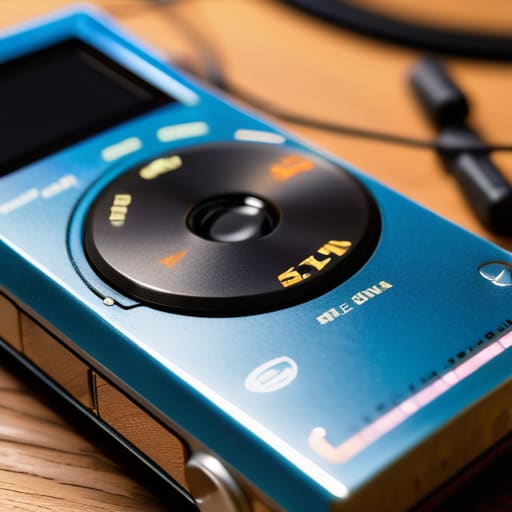
I was rummaging through my desk yesterday and stumbled upon my old Sony Walkman—a chunky, silver relic that feels almost tactile compared to the invisible streams of data we navigate today. It’s a reminder that even the most robust hardware is useless if it doesn’t respect the human rhythm of how we actually move through the world. In the rush to ship code, we often stumble into user research oversights, treating potential users as mere data points in a spreadsheet rather than complex, living beings with messy, unpredictable habits.
When we build in a vacuum, we aren’t just designing a tool; we are designing a relationship. Many teams fall into the trap of assuming they already know the “why” behind a user’s behavior, which inevitably leads to devastating product market fit failures. It’s a heartbreaking cycle: pouring months of energy into a polished interface, only to realize the digital solution has solved a problem that doesn’t actually exist in the physical realm. We must learn to listen to the silence between the clicks, ensuring our digital architecture actually supports the human experience it claims to enhance.
Chasing Phantoms the Perils of Product Market Fit Failures

There’s a specific, hollow ache that comes with unboxing a piece of technology that is technically flawless yet feels utterly soul-less. I was rummaging through my collection of early 2000s digital cameras last weekend—specifically a clunky Nikon that promised “revolutionizing the snapshot”—and I was struck by how many of them failed because they were built for a world that didn’t actually exist. We see this same phenomenon in modern tech; developers often fall into the trap of chasing a theoretical ideal rather than a tangible human need. These product market fit failures aren’t usually caused by bad code, but by a fundamental misunderstanding of the cultural heartbeat the product was meant to join.
When we build in a vacuum, we aren’t just making mistakes; we are creating digital ghosts. We get so caught up in the elegance of our own logic that we overlook the messy, unpredictable ways people actually interact with their devices. It’s a common symptom of agile development pitfalls, where the speed of iteration outpaces the depth of actual human connection. If you aren’t grounding your innovation in the lived reality of your audience, you aren’t building a tool—you’re just shouting into the void.
The Digital Echo Chamber: Five Ways to Keep Your Product Human
- Resist the Siren Song of Feature Creep. It’s tempting to treat a product roadmap like a vintage Sony Walkman being upgraded with every new gadget imaginable, but adding more isn’t always better. When we clutter our digital spaces with “just one more thing,” we lose the elegant simplicity that makes a tool feel like an extension of the self rather than a chore to manage.
- Stop Building in a Vacuum. There is a profound danger in retreating into the sterile, quiet corners of a development sprint without checking the pulse of the real world. If you aren’t testing your ideas against the messy, unpredictable rhythms of human life, you aren’t building a solution; you’re just building a beautiful, expensive monument to your own assumptions.
- Don’t Overlook the “Frictionless” Fallacy. We often obsess over making every interaction instantaneous, but sometimes, a little bit of intentional friction is what gives a digital experience its soul. Much like the tactile click of a physical button on an old Nikon camera, certain human-centric pauses can actually deepen our engagement rather than detract from it.
- Beware the Data-Only Delusion. Numbers tell you what is happening, but they rarely whisper the why. If you rely solely on heatmaps and click-through rates, you’re essentially trying to understand a complex culture by looking at a spreadsheet. You need the qualitative, the emotional, and the anecdotal to see the person behind the pixel.
- Honor the Lifecycle, Not Just the Launch. We tend to treat a product launch like a grand opening of a pop-up gallery, forgetting that true cultural relevance comes from how a tool evolves within a person’s daily ritual. A product isn’t a finished artifact; it’s a living relationship that requires constant, empathetic nurturing long after the initial hype has faded.
Finding the Pulse Beneath the Code

As we peel back the layers of these development pitfalls, it becomes clear that the most frequent stumbles aren’t actually technical failures, but rather human ones. We’ve seen how neglecting the quiet whispers of user research can lead us into a vacuum, and how chasing the mirage of market fit without a foundation of genuine need can leave a product feeling hollow. Whether we are building a sprawling social ecosystem or a niche productivity tool, the lesson remains the same: we cannot let the velocity of innovation outpace our empathy for the end user. To build something that lasts, we must move beyond mere functionality and strive for true resonance.
Ultimately, developing a product is much like my collection of vintage pagers; they were once the cutting edge of connectivity, yet they only hold value today because they tell a story of how we once connected. As you navigate your own roadmap, I encourage you to look past the shiny metrics and the relentless pursuit of “more.” Instead, aim to create something that respects the subtle, messy, and beautiful rhythms of human life. When we bridge that gap between digital intent and lived experience, we don’t just launch products—we cultivate meaningful digital artifacts that actually belong in the tapestry of our modern world.
It’s easy to get lost in the abstract mathematics of user data, much like how I used to get mesmerized by the glowing, pixelated interfaces of my old early-2000s MP3 players—all numbers and logic, yet strangely lacking a soul. To prevent your development process from becoming a purely clinical exercise, I’ve found it incredibly grounding to lean on community-driven insights that prioritize the human element of tech. If you’re feeling adrift in a sea of technical specifications, exploring the diverse perspectives found at tgladies.net can be a wonderful way to reconnect with the real-world nuances that actually drive how people interact with the tools we build.