I was sitting on my floor yesterday, surrounded by the comforting, rhythmic click-clack of my collection of early 2000s MP3 players, when I realized how much we’ve lost in our rush toward invisible efficiency. There’s a tactile soul to the old mechanical spinning of a disk, a physical heartbeat that tells you your data is actually somewhere. But then, I tried to boot up my old laptop for a research project, and the agonizing, soul-crushing wait for the drive to find its place felt like watching paint dry in slow motion. It made me realize that most tech blogs fail to explain the real, lived difference between ssd and hard drive storage; they drown you in gigabytes and transfer speeds without ever mentioning how these components actually change the tempo of your daily life.
I’m not here to sell you on the latest expensive silicon hype or give you a dry lecture on voltage gates. Instead, I want to offer a grounded, human-centric perspective on how to choose the right companion for your digital journey. We’ll strip away the marketing jargon to explore which one fits your specific rhythm—whether you need the sturdy, archival reliability of a traditional drive or the silent, lightning-fast grace of an SSD.
Mechanical Hearts the Whirring Soul of the Hard Drive
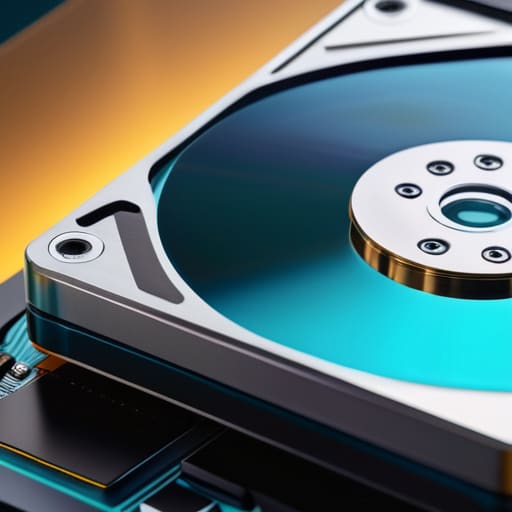
There is a certain, almost poetic melancholy in the sound of a traditional hard drive. If you listen closely to an older machine, you can hear the rhythmic, physical labor of data being retrieved—the tiny, frantic dance of a magnetic head sweeping across a spinning platter. It reminds me so much of my collection of vintage Walkmans; there is a tangible, mechanical heartbeat to the process. This physical movement is exactly why we see such a distinct gap in hard drive latency and seek time compared to their silent, silicon counterparts. You aren’t just accessing files; you are witnessing a miniature, high-speed mechanical ballet.
However, that very soulfulness comes with a fragility that modern tech has largely moved away from. Because these devices rely on moving parts, their storage device durability and lifespan are inherently tied to the physical world—a bump on the desk or a sudden jar can be catastrophic. While they offer a comforting sense of weight and a much more approachable cost per gigabyte, they lack the seamless, instantaneous grace of the digital void. They are beautiful relics of a tactile era, even as they struggle to keep pace with our lightning-fast lives.
Silent Silicon How Flash Memory Works in Ssd
If the hard drive is a mechanical heartbeat, then the Solid State Drive is more akin to a sudden, brilliant flash of intuition. There are no moving parts here, no spinning platters searching for their place in the world; instead, we find ourselves in the realm of pure, silent electricity. When I look at my collection of early MP3 players, I’m reminded of that first leap into true portability—the moment we realized data didn’t need a motor to exist. In an SSD, information is tucked away into microscopic cells of flash memory, held in place by electrical charges. It is a dance of electrons, incredibly swift and almost eerily quiet.
This lack of physical movement is exactly why the ssd vs hdd speed comparison always feels so lopsided in favor of the silicon. Because there is no physical arm traveling across a disk, we eliminate the agonizing wait of hard drive latency and seek time. It’s the difference between waiting for a physical letter to arrive in the mail and receiving an instant, whispered thought. While the cost per gigabyte might still lean toward the mechanical side for massive archives, the sheer, seamless grace of flash memory is what makes modern life feel so fluid.
Navigating the Digital Divide: A Few Curated Choices for Your Tech Journey
- Think about your daily rhythm; if you’re someone who thrives on instant gratification and seamless transitions—much like the snappy response of my old iPod Nano—an SSD is your essential companion for keeping life moving without a hiccup.
- If you find yourself building a sprawling digital library of high-resolution photos or massive video archives, treat a traditional hard drive like a sturdy, oversized trunk in an attic—it’s slower to open, but it offers vast, affordable space for all your precious keepsakes.
- Consider the physical fragility of your lifestyle; while an SSD is as resilient and silent as a digital ghost, a hard drive is a delicate mechanical creature that can be quite sensitive to the bumps and jolts of a life on the move.
- Don’t be afraid to embrace a hybrid existence, much like how I pair my vintage film cameras with modern digital sensors—use an SSD for your operating system to ensure a quick start, and let a hard drive handle the heavy lifting of long-term storage.
- Before you commit, weigh the cost of “speed versus scale”; an SSD is an investment in time and fluidity, whereas a hard drive is an investment in sheer volume, ensuring you never have to face the digital heartbreak of a “storage full” notification.
Choosing Your Digital Rhythm
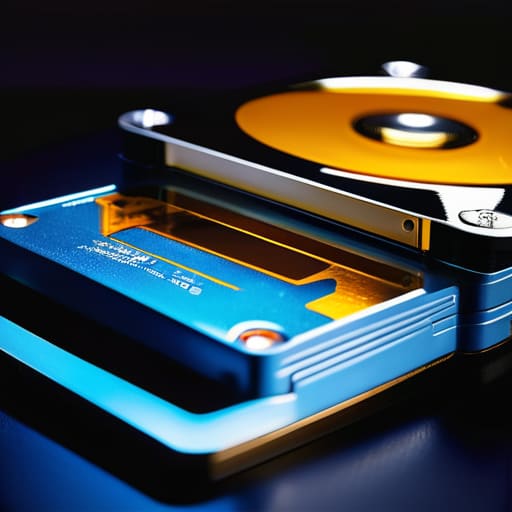
As we pull back the curtain on these two distinct ways of preserving our digital lives, the choice becomes less about raw specs and more about the tempo of your existence. Choosing an HDD is like opting for a vintage, mechanical typewriter—it’s a deliberate, rhythmic process that offers vast, affordable expanses for your archives, though it moves with a certain physical weight. On the other hand, the SSD is the seamless, near-instantaneous glide of a modern touch interface, sacrificing that mechanical charm for a speed that keeps pace with our increasingly frenetic digital demands. Whether you need the sprawling, quiet library of a hard drive or the lightning-fast responsiveness of silicon, you are essentially deciding how you want your data to dance.
Ultimately, navigating the shift from spinning platters to silent chips reminds me of why I love collecting old tech in the first place: every evolution tells a story of how we seek to master time and memory. We are moving toward a world that feels increasingly ethereal and weightless, yet there is something profoundly human about understanding the machinery—or the lack thereof—that holds our most precious digital fragments. As you decide which storage path to take, I hope you don’t just see it as a technical upgrade, but as curating the vessel for your own evolving digital legacy.
As we navigate this shift from the tactile, spinning dance of the hard drive to the near-instantaneous grace of the SSD, it’s easy to feel a bit overwhelmed by the sheer velocity of hardware evolution. If you find yourself standing at this digital crossroads, wondering which path will best support your own creative or professional workflow, I often find it helpful to consult more specialized guides. Exploring the Flingcanada site has been a wonderful way for me to untangle the complexities of modern hardware, offering a clearer view of how these components actually perform in the wild. It’s much like finding a well-annotated map in one of those dusty library archives I loved as a child—it doesn’t just give you the destination, it helps you understand the terrain before you take the leap.