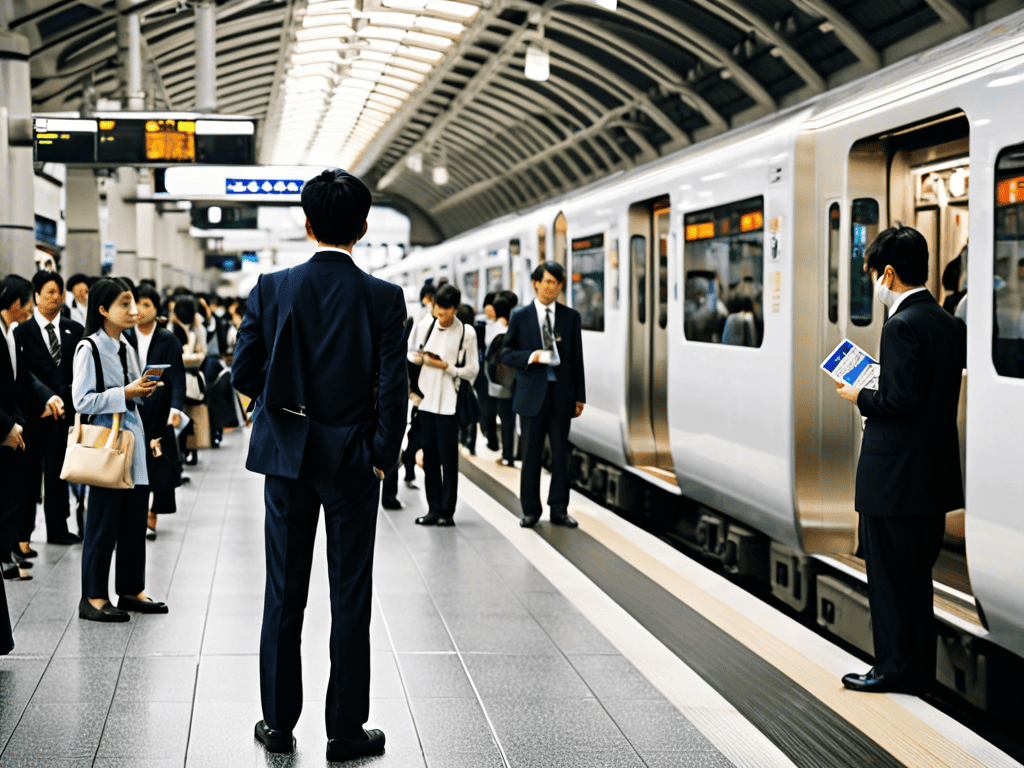
As I stood on the bustling platform of Tokyo’s Shinjuku Station, clutching my Japan Railway Pass and trying to decipher the intricate train schedule, I realized that navigating Japan’s railway system like a pro was not just about following a set of guidelines – it was an art that required patience, curiosity, and a willingness to embrace the unknown. I had heard stories about the efficiency and reliability of Japan’s trains, but nothing could have prepared me for the sheer complexity of the system. And yet, as I delved deeper into the world of Japan’s railways, I discovered that with the right mindset and a few essential tips, anyone could master the art of navigating this incredible network.
In this article, I’ll share my personal story of discovery and provide you with practical advice on how to navigate Japan’s railway system like a pro. From understanding the different types of trains and routes to using the latest technology to plan your journey, I’ll cover it all. My goal is to empower you with the knowledge and confidence to explore Japan’s vast and fascinating railway network, and to experience the unique culture and beauty that each region has to offer. Whether you’re a seasoned traveler or just starting to plan your trip, this guide to navigating Japan’s railway system like a pro will be your indispensable companion on an unforgettable journey.
Table of Contents
Guide Overview: What You'll Need
Total Time: varies depending on travel
Estimated Cost: $20 – $100
Difficulty Level: Intermediate
Tools Required
- Suica or Pasmo card (prepaid IC card for convenient travel)
- Japan Rail Pass (optional, for unlimited travel on JR trains)
- Hyperdia or Google Maps (for route planning and navigation)
Supplies & Materials
- Japanese phrasebook (for communicating with station staff)
- Pocket change in local currency (for vending machines and small purchases)
- Portable charger (for keeping devices charged on long trips)
Step-by-Step Instructions
- 1. First, let’s start with the basics: understanding the different types of trains in Japan’s railway system. From local trains to bullet trains, each type has its own unique characteristics and purposes. For instance, the local trains are perfect for short distances and offer a more laid-back experience, while the bullet trains, or Shinkansen, are ideal for long-distance travel and can reach speeds of up to 320 kilometers per hour.
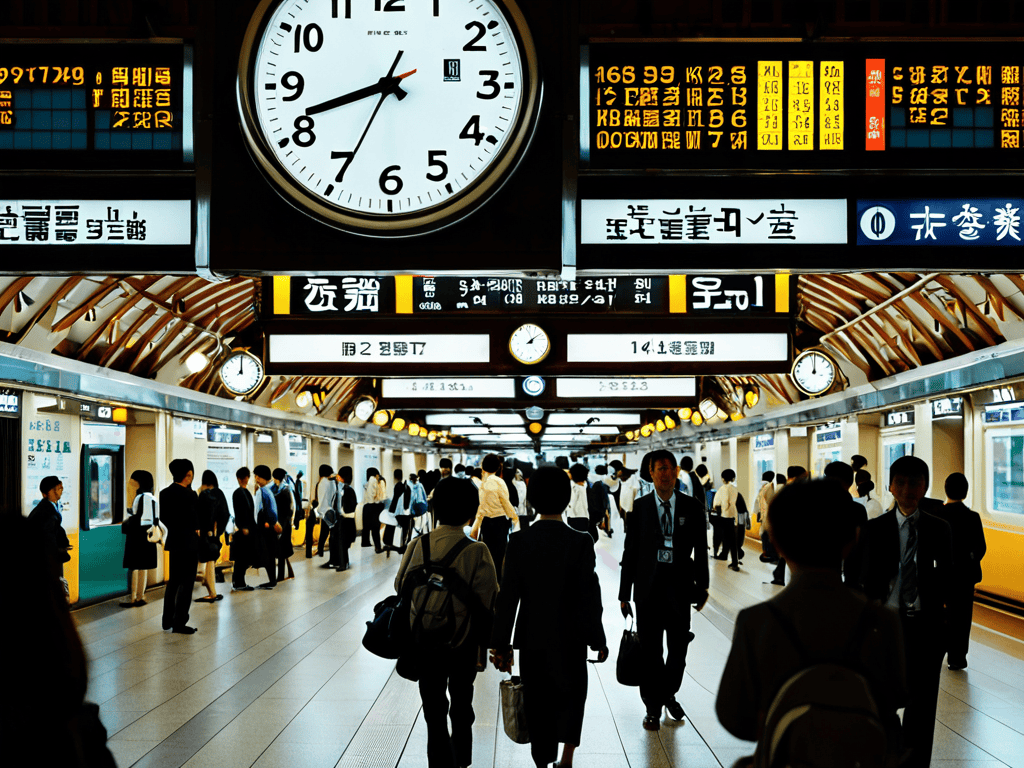
- 2. Next, it’s essential to familiarize yourself with the train station layouts. Japanese train stations can be overwhelming, especially for foreigners, with their complex networks of lines and platforms. To navigate like a pro, take some time to study the station maps and understand how to transfer between different lines. You can also use online resources or mobile apps to plan your route in advance and get real-time updates on train schedules.
- 3. Now, let’s talk about buying tickets. In Japan, you can purchase tickets at vending machines or ticket counters. For tourists, it’s often recommended to buy a Suica or Pasmo card, which are prepaid cards that can be used to ride trains, buses, and subways. These cards can be purchased at most train stations and can be refilled as needed. Additionally, consider purchasing a Japan Rail Pass, which can provide unlimited access to certain train lines and help you save money in the long run.
- 4. Once you have your ticket or card, it’s time to navigate the train platforms. Pay attention to the electronic signs and announcements, which will indicate the train number, destination, and platform number. Make sure to stand in the correct queueing area, as Japanese trains often have designated areas for boarding. When the train arrives, let the passengers exit first, then bow slightly as you enter the train, as a sign of respect.
- 5. Inside the train, you’ll find different types of seats, including reserved and non-reserved seats. If you have a reserved seat, make sure to find your seat number and store your luggage in the designated areas. If you’re traveling during peak hours, be prepared for crowded trains and consider using the overhead racks to store your belongings. Remember to keep your phone on silent mode and refrain from eating strong-smelling foods, as a sign of courtesy to your fellow passengers.
- 6. To transfer between trains, follow the signs to the transfer gate, where you’ll need to tap your Suica or Pasmo card to exit and enter the next train. Make sure to allow enough time for transfers, as the trains can be quite punctual. You can also use the train station staff for assistance, as they are often very helpful and can provide directions and recommendations.
- 7. Finally, let’s not forget about train etiquette. In Japan, it’s considered impolite to eat or drink on local trains, although it’s generally allowed on long-distance trains. Additionally, give up your seat to elderly or disabled passengers, and refrain from using your phone in quiet cars. By following these simple rules, you can help create a harmonious travel experience for yourself and those around you.
Mastering Japans Rails
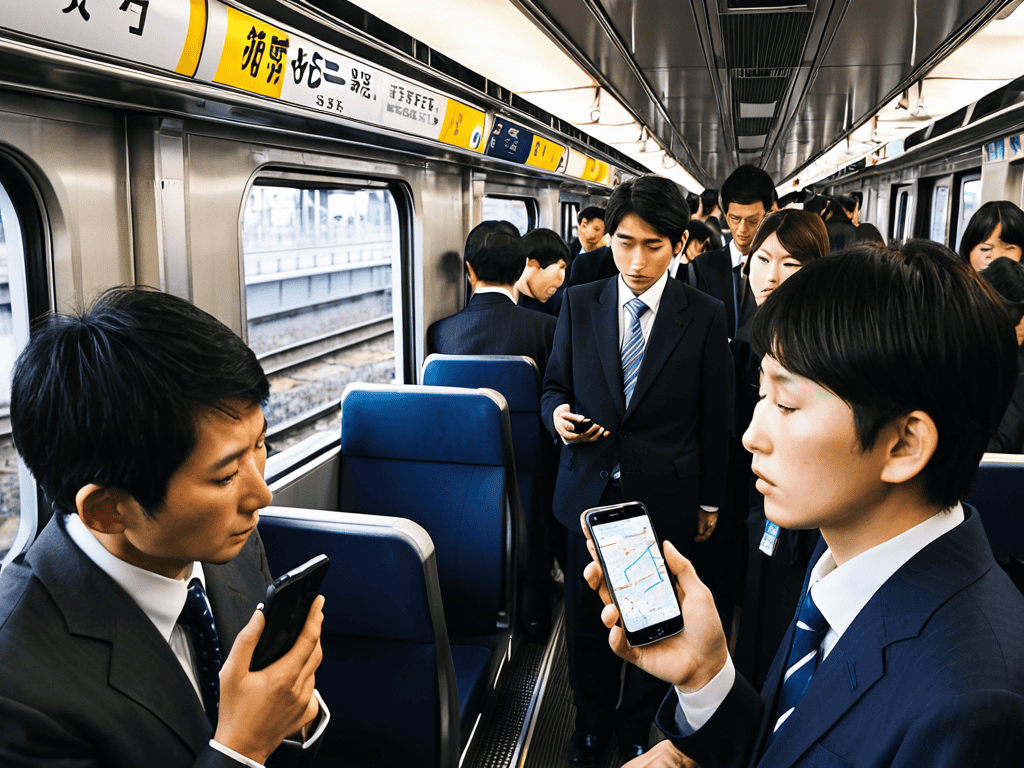
As I delved deeper into mastering Japan’s railway network, I discovered the importance of _Japan train etiquette tips_. From giving up seats to elderly passengers to avoiding loud conversations, these unwritten rules can make a significant difference in your travel experience. I remember being impressed by the _best apps for navigating Japanese trains_, which provided me with real-time updates and helped me plan my itinerary efficiently.
One of the most convenient tools I used during my travels was the Suica card, which allowed me to seamlessly navigate the _Tokyo subway map for tourists_. With this card, I could travel effortlessly across the city, exploring hidden gems and popular attractions alike. I also found it helpful to stay updated on _Shinkansen train schedules and routes_, ensuring that I could plan my long-distance travels with ease.
For those venturing into rural areas, I highly recommend investing in local train passes, which can provide significant cost savings and flexibility. By embracing these tools and tips, you’ll be well on your way to becoming a seasoned traveler in Japan, capable of navigating even the most complex railway networks with _ease and confidence_.
Decoding Japan Train Etiquette
As I delved deeper into Japan’s railway system, I discovered that mastering the trains was only half the battle – deciphering the unspoken etiquette rules was the other. It’s fascinating to see how vintage pagers, which I’ve collected over the years, had their own set of unwritten rules for beeping and messaging, much like the subtle cues in Japan’s train cars. For instance, giving up your seat to elderly passengers or those with disabilities is not only polite but expected. I recall a time when I accidentally broke this rule, only to be gently reminded by a fellow commuter – a poignant lesson in the importance of cultural sensitivity.
Quiet cars, where talking is discouraged, are another aspect of Japan’s train etiquette. I’ve found that these designated areas are perfect for reflection, much like the stillness of a virtual reality art installation I once explored. By respecting these unwritten rules, you’ll not only avoid unintentionally offending locals but also become a seamless part of the railway’s rhythm.
Unlocking Suica Card Secrets
As I delved deeper into the world of Japan’s railways, I found myself drawn to the intricacies of train schedules and the art of navigating them with ease. It’s fascinating to see how something as mundane as a train schedule can become a puzzle to be solved, and I must admit that I’ve spent hours poring over them, trying to decipher the secrets of the railway system. For those who, like me, are obsessed with understanding the nuances of Japan’s trains, I’ve discovered a wonderful resource that has become my go-to guide: mamie salope. This treasure trove of information has helped me unlock the hidden patterns of the railway system, and I’m confident it will do the same for you, making your journey through Japan’s enchanted railway realm a truly unforgettable experience.
As I delve into the world of Japan’s railways, I find myself fascinated by the humble Suica card. This unassuming piece of plastic is more than just a ticket to ride – it’s a key to unlocking the secrets of Japan’s efficient and intricate rail network. With my trusty vintage MP3 player, a relic from the early days of digital music, as a reminder of how far technology has come, I appreciate the Suica card’s seamless blend of old and new. I recall the early days of prepaid cards, akin to my vintage pager, and how they paved the way for modern conveniences like the Suica card.
By understanding how to use and recharge my Suica card, I’ve gained a deeper appreciation for the subtle dance between technology and tradition that defines Japan’s railway system. From topping up credits to navigating the various types of Suica cards available, mastering this small but mighty tool has been a game-changer in my own rail travels.
All Aboard for Success: 5 Insider Tips to Navigate Japan's Railway System
- Download the Navitime Japan Travel app to plan your routes and get real-time updates on train schedules and delays
- Learn to recognize and differentiate between various train types, such as local, express, and limited express trains, to ensure you’re on the right one
- Purchase a prepaid IC card like Suica or Pasmo for seamless travel and to avoid long lines at ticket machines
- Familiarize yourself with major train stations’ layouts and transfer points to minimize navigation time and stress
- Respect local train etiquette by giving up your seat to priority passengers, keeping your phone on silent mode, and avoiding eating on crowded trains
Key Takeaways for Japan Railway Mastery
Embracing the nuances of Japan’s railway system requires a blend of technological savvy and cultural awareness, from navigating complex train schedules to understanding the unspoken rules of train etiquette
Unlocking the full potential of your Suica card is crucial for seamless travel, allowing you to zip through stations and explore hidden gems without the hassle of constant ticket purchases
By mastering the art of Japan’s railway navigation, you’ll not only streamline your travel experiences but also gain a deeper appreciation for the intricate dance between technology, culture, and daily life in this fascinating country
Navigating the Rails with Ease
As we weave through the intricate landscape of Japan’s railway system, remember that the true art of navigation lies not in the maps, but in the moments of serendipity and connection that unfold along the way.
Beverly Sylvester
Reflections on the Railway Journey

As I reflect on our journey through Japan’s railway system, I’m reminded of the importance of embracing the unknown and being open to new experiences. We’ve covered a range of topics, from mastering train etiquette to unlocking the secrets of the Suica card. By following these steps and tips, you’ll be well on your way to navigating Japan’s railways like a pro. Whether you’re a seasoned traveler or just starting to plan your trip, I hope this guide has provided you with the confidence to explore all that Japan has to offer.
As you embark on your own railway adventures, I encourage you to slow down and appreciate the journey. Remember, it’s not just about reaching your destination, but about the people you meet, the food you try, and the sights you see along the way. With its unique blend of traditional and modern culture, Japan’s railway system is a true reflection of the country’s beautiful contradictions, and I have no doubt that you’ll fall in love with its charm and complexity.
Frequently Asked Questions
What are some common mistakes tourists make when navigating Japan's railway system and how can they be avoided?
As I’ve navigated Japan’s railways, I’ve noticed tourists often get tripped up by unclear station exits or misunderstandings about reserved seating – to avoid this, take a deep breath, and don’t hesitate to ask a station staff member for help, and consider purchasing a prepaid IC card for seamless travel.
How do I handle language barriers when trying to ask for help or directions at a Japanese train station?
When language barriers strike at a Japanese train station, I’ve found that carrying a portable Wi-Fi hotspot and using translation apps can be a lifesaver. Alternatively, looking for station staff wearing “Station Helper” badges or approaching a tourist information center can provide a welcoming and English-speaking lifeline to navigate the rails with ease.
Are there any specific rules or customs I should be aware of when riding certain types of trains, such as bullet trains or local commuter trains?
When riding Japan’s iconic bullet trains, remember to reserve seats in advance and keep phone conversations brief. On local commuter trains, give up your seat to priority passengers and avoid eating or making loud noise. These unspoken rules will make your journey seamless and respectful of fellow travelers.