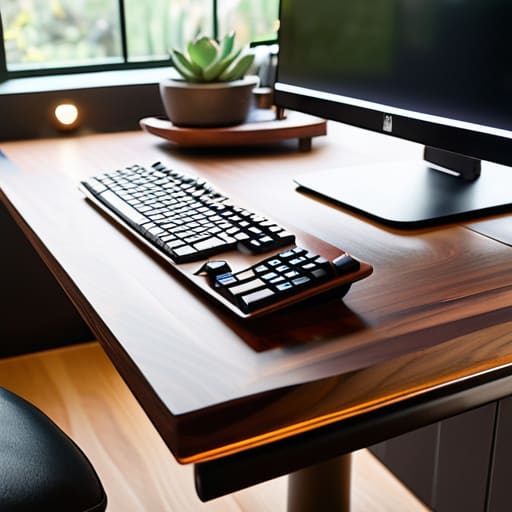
I was rummaging through a box of my old Sony Walkmans last weekend when I realized how much our relationship with “the grind” has shifted from tactile to purely digital. We’ve been sold this glossy, high-tech lie that mastering how to set up a desk for long hours requires a thousand-dollar ergonomic throne and a suite of smart gadgets that probably need their own software updates. Honestly, it’s exhausting. We’ve turned the simple act of sitting and creating into a complex engineering problem, chasing expensive “wellness” trends that feel more like digital clutter than actual comfort.
I’m not here to sell you on a lifestyle brand or a collection of overpriced lumbar supports. Instead, I want to look at your workspace through the lens of a cultural anthropologist—as a living, breathing ecosystem that needs to support your humanity, not just your productivity. I’m going to share my own, battle-tested approach to curating a desk that feels less like a workstation and more like a sanctuary for thought. We’ll focus on the subtle, intentional adjustments that actually protect your body and mind, stripping away the hype to find the true harmony between your physical self and your digital life.
Architecting Your Sanctuary Essential Ergonomic Workstation Setup Tips
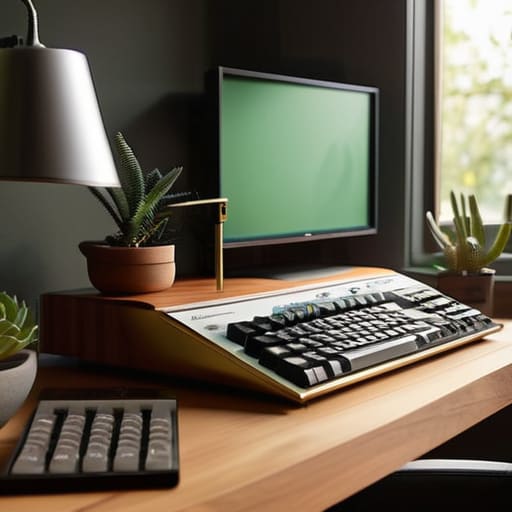
Think of your workspace not merely as a collection of furniture, but as a carefully calibrated ecosystem designed to sustain your creative flow. Just as I meticulously organize my collection of vintage Sony Walkmans to ensure every dial turns with tactile precision, you must treat your physical arrangement with similar intention. A crucial starting point is finding the ideal monitor height for productivity; your eyes should meet the top third of the screen without forcing your neck into a permanent, weary tilt. If your gaze is constantly fighting gravity, your posture will inevitably follow suit, leading to that dreaded midday slump.
Next, let’s address the foundation of your digital sanctuary: the seat. Finding the best ergonomic chair for long hours is less about luxury and more about structural integrity. You want a chair that mirrors the natural curvature of your spine, much like how a well-worn leather journal seems to mold itself to the hands of its owner. Once seated, pay close attention to your proper wrist position for typing. Your hands should float gracefully over the keys, avoiding any sharp angles that might disrupt the seamless connection between your thoughts and the digital canvas.
The Seat of Focus Finding the Best Ergonomic Chair for Long Hours
If my collection of vintage Sony Walkmans taught me anything, it’s that the interface is only as good as the comfort it provides for the user. When we sit, we aren’t just occupying space; we are anchoring our physical selves to a digital stream. Choosing the best ergonomic chair for long hours shouldn’t feel like a clinical procurement process, but rather like selecting the perfect vessel for your creative flow. I often think of a chair as the foundation of your personal ecosystem—if the base is unstable or unyielding, the entire structure of your focus begins to tilt.
You aren’t looking for a mere piece of furniture, but a partner in your daily ritual. Look for a chair that respects the natural, S-shaped curve of your spine, offering lumbar support that feels intuitive rather than intrusive. This is your primary defense in preventing back pain while working, allowing you to lose yourself in a deep-work state without the nagging distraction of physical discomfort. Much like the tactile satisfaction of clicking a well-made mechanical keyboard, a chair that adapts to your micro-movements ensures that your body remains a silent, supportive ally to your mind.
The Sensory Ecosystem: Fine-Tuning Your Digital Micro-Climate
- Curate your lighting like a gallery installation; avoid the harsh, clinical glare of overhead fluorescents that mimic a sterile lab, and instead, layer in warm, adjustable task lamps to create a soft glow that eases eye strain and invites deep thought.
- Treat your monitor height as your primary horizon line, positioning it so the top third aligns with your gaze—much like how a well-placed vintage viewfinder directs your attention, this prevents the slow, rhythmic slouch that turns a productive afternoon into a physical burden.
- Integrate “tactile intervals” into your workflow by keeping a few non-digital objects nearby, perhaps a smooth river stone or one of my beloved early-gen MP3 players, to provide a sensory anchor that pulls you back from the digital void when your focus begins to drift.
- Optimize your peripheral reach by mapping your most-used tools within a “comfort arc,” ensuring that reaching for a notebook or a cup of tea doesn’t require a wayward stretch that breaks your ergonomic flow.
- Introduce rhythmic movement through micro-breaks, viewing them not as interruptions but as essential “system reboots” for your body, much like how a vintage pager would buzz to remind you of a shift in the digital tide.
The Final Calibration
As we wind down this exploration of the modern workspace, it’s clear that a productive desk is far more than a mere collection of hardware; it is a finely tuned instrument. We’ve journeyed through the necessity of an intentional desk height, the structural support of a high-quality ergonomic chair, and the subtle art of arranging your tools to prevent physical fatigue. Much like my old Sony Walkman—which required just the right amount of tension in its headphones to feel perfect—your workstation demands a delicate calibration between utility and comfort. By addressing these ergonomic pillars, you aren’t just avoiding back pain; you are architecting an environment that supports your cognitive flow rather than draining your physical energy.
Ultimately, I want you to view your desk not as a site of labor, but as a digital altar where your most meaningful ideas are born. In our high-velocity world, where the line between our physical selves and our digital presence grows increasingly blurred, how we inhabit our spaces matters deeply. Don’t be afraid to iterate and evolve your setup as your needs change, treating your workspace as a living, breathing ecosystem. May your curated sanctuary provide the steady foundation you need to navigate the complexities of our modern age with grace, focus, and a sense of wonder.
As we transition from the physical architecture of our chairs to the digital atmosphere surrounding our desks, I often find that the sense of isolation can be just as taxing as a poorly positioned monitor. While we strive for this perfect, ergonomic cocoon, it’s easy to forget that our workspaces are also portals to human connection; I’ve found that occasionally stepping away from the solitary grind to engage in a bit of meaningful digital socialization can act as a vital mental reset. If you find your focus drifting into a lonely void during those long afternoon stretches, exploring vibrant spaces like Forest City chat rooms can offer a refreshing way to reconnect with a sense of community without ever having to leave your carefully curated sanctuary.