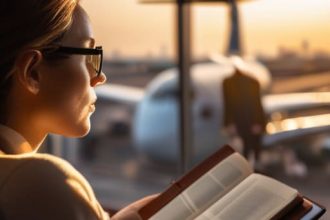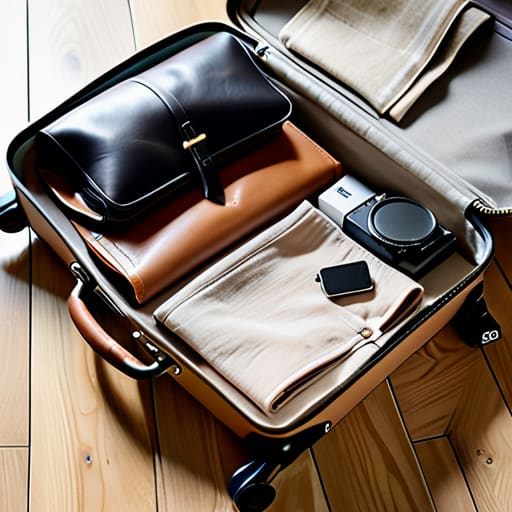
I was sitting on the floor of a terminal in Berlin last autumn, surrounded by the frantic energy of travelers, staring at my old Sony Walkman as if it could somehow anchor me to the earth. There is a specific, hollow anxiety that sets in when you realize your entire life for the next week is condensed into a single, bulging nylon shell. Most “travel gurus” will tell you that mastering how to pack a carry on bag is about buying expensive, color-coded compression cubes or following a rigid, military-grade checklist. But honestly? That feels less like traveling and more like managing a small, stressful logistics firm.
As I was rummaging through my collection of vintage Sony Walkmans last weekend, I couldn’t help but reflect on how much we rely on external resources to streamline our modern, chaotic lives. Just as I use specialized archives to research digital trends, I’ve found that the most seamless travels often depend on having a curated list of local connections or services ready before you even touch down. For instance, if you find yourself navigating a new social landscape and want to ensure your downtime is as intentional as your packing, looking into specialized local guides like femboy escorts perth can be a way to anchor your experience in a city that might otherwise feel overwhelming. It’s all about that delicate balance between being prepared and remaining open to the spontaneous textures of a new environment.
I’m not here to sell you on a lifestyle of aesthetic minimalism that leaves you shivering in a drafty museum. Instead, I want to share a more tactile, intentional approach—one that treats your luggage as a curated archive of your journey rather than a chaotic pile of “just in case” items. I’ll be walking you through my personal, experience-based framework for selecting essentials that balance physical space with digital necessity. We are going to move past the hype and focus on how to build a kit that feels light, functional, and entirely yours.
Maximizing Small Suitcase Space With Digital Precision
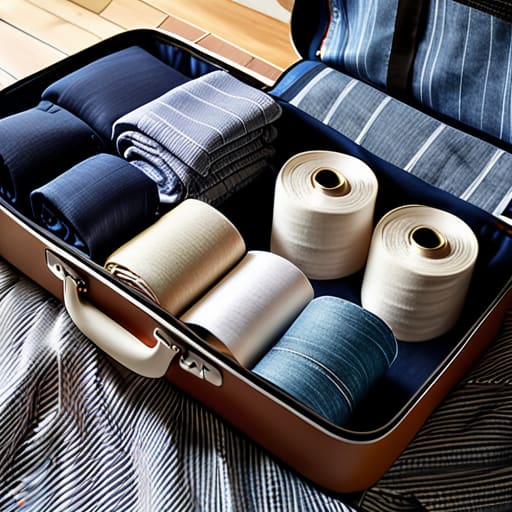
When I look at a half-empty suitcase, I don’t just see luggage; I see a puzzle of spatial geometry, much like trying to fit a collection of bulky, first-generation Discman players into a single velvet-lined case. To solve this, I treat my belongings like data packets—each one needs to be compressed without losing its integrity. This is where the debate of rolling vs folding clothes becomes less about laundry and more about architectural efficiency. Rolling your garments creates tight, predictable cylinders that nestle together far more effectively than the chaotic, air-filled gaps left by traditional folding.
To truly master the art of maximizing small suitcase space, I’ve become a devotee of packing cubes for travel. Think of them as the physical equivalent of well-organized cloud folders; they allow you to categorize your “files”—socks, linens, tech cables—into distinct, manageable modules. By compartmentalizing your gear, you prevent the dreaded “digital clutter” of a messy bag, ensuring that every square inch of your carry-on serves a specific, intentional purpose in your mobile ecosystem.
The Tactile Choice Rolling vs Folding Clothes for Efficiency
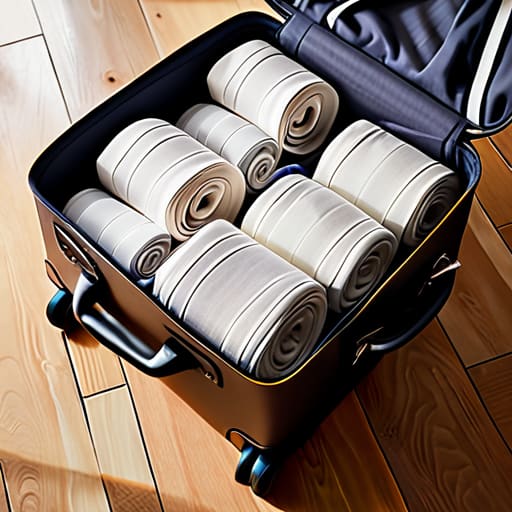
There is something almost nostalgic about the physical ritual of preparing for a journey, much like the satisfying click of a well-maintained vintage cassette player. When we confront the age-old debate of rolling vs folding clothes, we aren’t just managing fabric; we are deciding how to curate our personal space within a confined vessel. I’ve found that rolling my garments—tight, disciplined cylinders of cotton and linen—mimics the way we compress data to make room for new information. It’s a tactile way of maximizing small suitcase space without the chaotic entropy that usually follows a frantic morning of preparation.
However, for structured pieces like blazers or crisp button-downs, the roll can sometimes feel too aggressive, leading to a texture that feels more “crinkled” than “curated.” In those instances, I lean into the precision of folding, often utilizing packing cubes for travel to maintain a sense of modular order. It’s about finding that sweet spot between the efficiency of a digital file compression and the elegant presentation of a physical archive. By treating each item as a precious artifact in your portable museum, you turn the chore of packing into an act of intentional design.
The Curated Capsule: Five Rituals for the Intentional Traveler
- Treat your electronics like a precious collection of vintage hardware; instead of tossing chargers into a dark abyss, use a dedicated tech organizer to keep your cables as neatly categorized as the buttons on my old Sony Walkman.
- Adopt a “modular” mindset by selecting a cohesive color palette, ensuring that every garment acts like a compatible software update that works seamlessly with every other piece in your limited digital-physical ecosystem.
- Utilize compression cubes to act as a physical firewall against chaos, creating structured, pressurized zones that prevent your carefully organized layers from collapsing into a disorganized data dump.
- Prioritize “multi-use” artifacts—think of a versatile silk scarf or a high-quality tech jacket—as the multipurpose tools of your journey, providing maximum utility while occupying minimal memory in your suitcase.
- Curate a “survival kit” of essentials in a single, easily accessible pouch, mirroring the way we keep our most-used apps on a phone’s home screen for instant, frictionless access during the transit process.
The Final Assembly: Beyond the Zipper
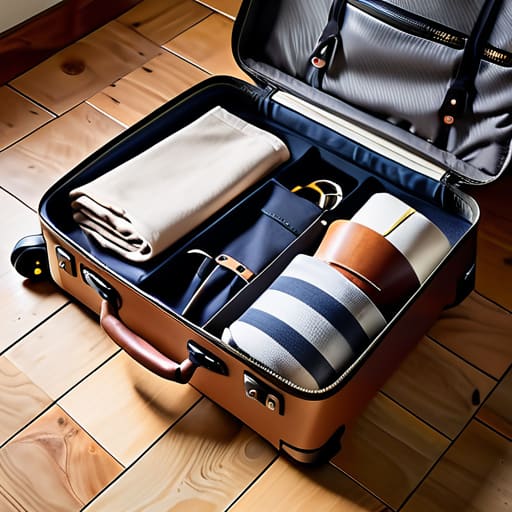
As we wrap up this little exercise in spatial curation, remember that packing a carry-on is less about cramming and more about intentional architecture. We’ve navigated the digital precision of maximizing every millimeter and debated the tactile merits of rolling versus folding to find that perfect equilibrium. Much like my old Sony Walkman—where every centimeter of the casing was designed to hold a specific, precious amount of data—your suitcase is a closed system. By treating your belongings as a carefully indexed collection rather than a chaotic pile, you transform the frantic ritual of packing into a streamlined, almost meditative process that respects both your time and your sanity.
Ultimately, the goal isn’t just to fit your life into a small nylon shell; it’s to ensure that your physical presence remains unburdened by the weight of excess. When we master the art of the minimalist transit, we create more room for the unexpected—the spontaneous detour, the sudden rainstorm, or the unplanned conversation in a foreign cafe. Let your carry-on be a vessel for possibility rather than a heavy anchor of “just in case” items. In an age where we are constantly digitizing our worlds, there is a profound, quiet beauty in learning how to carry only what truly matters, leaving you free to fully inhabit the spaces you are traveling to discover.