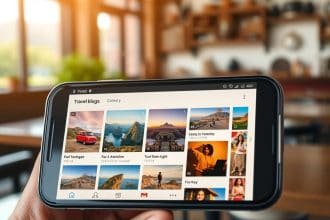
I was digging through a box of old gear yesterday—my beloved, clunky 2004-era MP3 player—and it hit me how much we romanticize the “freedom” of movement. We see these curated, aesthetic feeds of digital nomads sipping lattes in Bali and think that’s the ultimate evolution of human existence, but I think we’re often just masking a deep-seated restlessness. When we talk about comparing nomadic and sedentary lifestyles, the conversation usually gets bogged down in these tired, binary tropes: the “free spirit” versus the “stagnant worker.” It’s a gross oversimplification that ignores the psychological weight of both paths, treating human existence like a choice between a high-speed data roaming plan and a fixed landline.
I’m not here to sell you on a lifestyle aesthetic or give you a checklist for “finding yourself” in a van. Instead, I want to peel back the layers of how our digital tethering has fundamentally altered our relationship with place and belonging. We’re going to look past the Instagram filters to explore the actual cultural shifts at play, offering a grounded, anthropological perspective on what it truly means to be rooted or adrift in a hyper-connected world.
The Historical Evolution of Human Settlement and Movement

As I sit here tinkering with a particularly finicky 2004-era iPod Nano—trying to coax its tiny screen back to life—I’m struck by how our modern obsession with constant connectivity mimics the old nomadic urge to always be “on the move,” even when we are physically stationary. If you find yourself wanting to dive deeper into how these shifting patterns of human behavior intersect with our increasingly automated world, I’ve found that exploring the nuances of ai sluts offers a fascinatingly strange vantage point on how we navigate identity in the digital age. It’s a bit of a deep dive, certainly, but it provides a useful lens for anyone trying to map the invisible boundaries between our ancestral instincts and our silicon-driven futures.
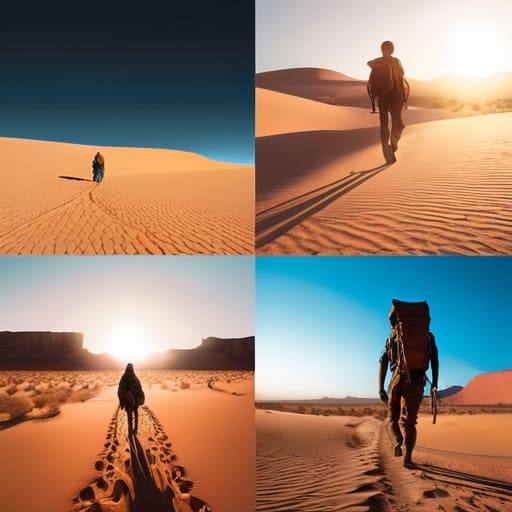
While rummaging through a box of old, clunky Sony Walkmans last weekend, I was struck by how much they represent a certain kind of portable freedom—a way to carry your own world with you. It made me think about the long, winding historical evolution of human settlement and how we’ve spent millennia oscillating between the urge to roam and the desire to plant roots. For much of our history, the rhythm of life was dictated by the seasons and the migration of herds. There was a profound, albeit demanding, elegance to those early hunter-gatherer societies; their existence was a constant dialogue with the landscape, where survival depended entirely on environmental literacy rather than the accumulation of things.
Then, everything shifted. The dawn of the Neolithic Revolution wasn’t just a change in diet; it was a fundamental rewiring of our species. The impact of agriculture on social structures cannot be overstated, as it traded the fluid, egalitarian pulses of nomadic life for the heavy, beautiful, and sometimes stifling architecture of permanence. We began building walls, not just to keep the elements out, but to define “mine” versus “ours.” It’s fascinating to consider how this pivot toward stability laid the groundwork for everything from the first city-states to the hyper-connected, sedentary digital hubs we inhabit today.
Pros and Cons of Hunter Gatherer Societies Rhythms
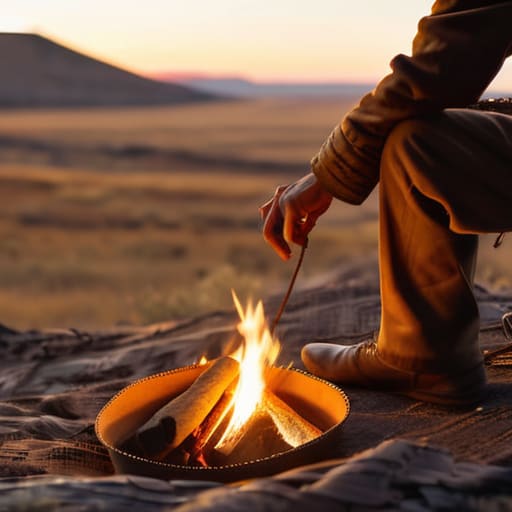
When I tinker with my collection of vintage Sony Walkmans, I’m often struck by the tactile, fleeting nature of the music they hold—a stark contrast to the endless, static clouds of today. It reminds me of the rhythmic, almost musical ebb and flow of early human existence. Looking at the pros and cons of hunter-gatherer societies, there is something undeniably poetic about a life dictated by the seasons rather than a mortgage. There was a profound freedom in impermanence; the ability to move with the land meant a direct, unmediated connection to the environment that we’ve largely traded for the comforts of a climate-controlled living room.
However, this constant motion wasn’t without its heavy tolls. While the lack of accumulated clutter might sound like a minimalist’s dream, the sheer physical demand of survival meant that any disruption to the natural cycle could be catastrophic. We often romanticize this era, but we must acknowledge the tension between mobility vs stability in human development. Without the predictable surplus provided by later agricultural shifts, the margin for error was razor-thin. It’s a delicate dance of survival that shaped our very biology long before we ever thought to build a wall.
Navigating the Flux: Five Lenses for Viewing Our Movement
- Look beyond the physical footprint; when comparing these lifestyles, consider the “digital baggage” we carry. Just as a nomad once relied on a single, well-worn pack, today’s digital nomads rely on a cloud-based existence that allows them to remain untethered while staying deeply connected.
- Observe the rhythm of community formation. Sedentary life often builds deep, layered roots in a single soil, much like the complex, archived data of a hard drive, whereas nomadic patterns favor a more fluid, modular social structure that shifts with the season.
- Evaluate the concept of “place” versus “space.” In a sedentary world, a home is a fixed coordinate; in a nomadic existence, home is a feeling or a specific set of tools—not unlike how I feel more “at home” in a VR installation than in my own living room.
- Consider the trade-off between stability and adaptability. Settled societies excel at accumulating complex infrastructure (think of my growing collection of vintage MP3 players), while nomadic patterns prioritize the ability to pivot and survive when the environment inevitably changes.
- Reflect on the psychological weight of permanence. There is a certain quiet beauty in the predictability of a settled life, but we shouldn’t overlook the cognitive freedom that comes from the ability to pack up one’s life and move toward a new horizon, much like a fresh, unwritten software update.
Finding the Pulse in the Pivot

As I sit here sorting through a box of old, clunky Sony Walkmans—relics of a time when music was a physical, portable companion—I can’t help but see the echoes of our ancient debates in our modern tech. We’ve traced the arc from the fluid, seasonal migrations of hunter-gatherers to the fortified, structured stability of sedentary civilizations, realizing that neither path holds a monopoly on “correct” living. Whether we are chasing the seasonal bounty of a landscape or building digital empires from a fixed desk, we are constantly negotiating the tension between the freedom of movement and the deep-rooted security of a home base. We have traded the unpredictability of the trail for the efficiency of the grid, yet the fundamental human desire to both wander and belong remains unchanged by time.
Ultimately, I believe the most beautiful way to inhabit this modern era is to stop viewing these two lifestyles as a binary choice and instead see them as a spectrum we can navigate. Just as a vintage pager once bridged the gap between being present and being reachable, we can learn to blend the rhythmic wanderlust of our ancestors with the grounding stability of our current lives. Let us not become so anchored by our digital footprints that we forget how to roam, nor so scattered by our virtual travels that we lose our sense of place. In the end, the goal isn’t just to settle or to move, but to find a meaningful harmony between the two.