
I was sitting on my floor last night, surrounded by the skeletal remains of a collection of early 2000s digital cameras, when I realized how much we treat our planet like a malfunctioning piece of legacy hardware. We are constantly bombarded with terrifying, hyper-complex data visualizations that feel more like glitchy sci-fi art than actual reality, making the simple act of understanding different global climate patterns feel like trying to debug a codebase written in a language you don’t even speak. It’s frustrating how the conversation is often hijacked by either apocalyptic doom-scrolling or sterile, academic jargon that strips the human pulse right out of the science.
I’m not here to sell you on a new brand of eco-anxiety or drown you in impenetrable meteorological spreadsheets. Instead, I want to offer a more grounded, anthropological look at the rhythms of our world. I promise to strip away the hype and provide a clear, experience-based roadmap to the mechanics of our atmosphere. We’re going to decode these shifting patterns together, treating the Earth not as a broken machine, but as a complex, living system that we are finally learning to read through a much more intuitive lens.
Atmospheric Circulation Models the Invisible Blueprint of Our World
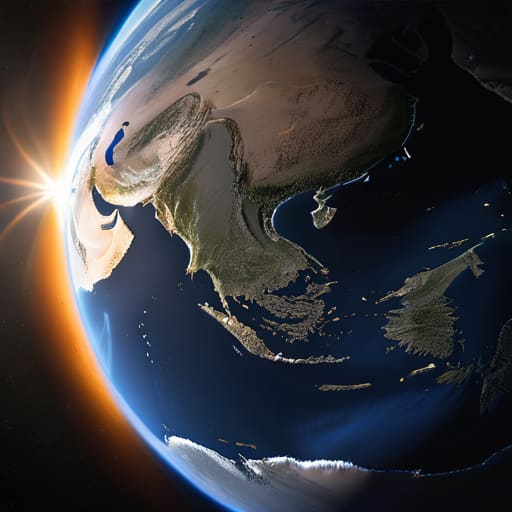
I was cleaning out my desk the other day and stumbled upon an old, translucent blue iMac G3. Looking at its smooth, flowing curves, I couldn’t help but think about how we try to map the invisible. Just as that hardware was designed to feel intuitive despite its complex internal circuitry, our planet relies on atmospheric circulation models to act as the hidden operating system for everything we experience outside our windows. These models aren’t just dry data points; they are the grand, sweeping blueprints that dictate how heat and moisture dance across the globe, much like the way a well-coded algorithm directs the flow of information in a digital ecosystem.
When we look closer at these patterns, we see a rhythmic complexity that reminds me of the way a vintage synthesizer layers different frequencies to create a single, cohesive sound. We see this interplay in the dramatic shifts of El Niño and La Niña cycles, which act like sudden, powerful surges in a global network, rerouting energy and altering the “signal” of our weather for months on end. It is a beautiful, if sometimes chaotic, choreography that ensures the planet’s energy is constantly being redistributed, preventing any one region from becoming a static, frozen, or scorched landscape.
Tropical vs Temperate Climates a Study in Thermal Contrast

When I sit in my studio, surrounded by the clicking tactile feedback of an old Sony Walkman, I’m often struck by the concept of “modes.” Just as a device has its specific operating frequency, our planet operates through distinct thermal rhythms. The tension between tropical vs temperate climates is perhaps the most dramatic expression of this. In the tropics, the energy is constant, a relentless, high-fidelity loop of heat and humidity that feels almost like a song played on repeat. It is a zone of intense, predictable vibrancy, whereas the temperate regions act more like a complex, shifting playlist, characterized by the dramatic, seasonal transitions that define our more familiar lived experiences.
This contrast is more than just a difference in temperature; it is a fundamental divergence in how energy is distributed. While the tropics act as a massive engine of heat, the temperate zones rely heavily on the impact of jet streams on weather to moderate their swings. It’s a delicate, invisible dance of air and energy. Much like the way a vintage pager could only transmit a single, urgent burst of information, these climate zones communicate their presence through sudden shifts in pressure and wind, reminding us that the Earth is constantly recalibrating its own internal rhythm.
Navigating the Weather: A Digital Anthropologist’s Field Guide to Climate Nuance
- Think of climate patterns like the operating systems of our planet; instead of looking at a single weather event, try to observe the underlying “code”—the long-term trends and systemic behaviors that dictate how a region breathes over decades.
- Don’t get lost in the static of daily fluctuations; much like distinguishing between a single song on an old MP3 player and the entire genre of lo-fi hip hop, you must learn to separate temporary weather anomalies from the broader, rhythmic pulse of a climate zone.
- Map the invisible connections between geography and atmosphere, noticing how mountain ranges act like physical firewalls, blocking moisture and creating distinct “data pockets” of microclimates that defy the surrounding regional norms.
- Look for the feedback loops, those recursive cycles where a change in one variable—like ocean temperature—triggers a cascade of shifts elsewhere, much like how a single viral trend can ripple through the digital landscape to reshape entire cultural aesthetics.
- Embrace the complexity of “interconnectedness” by studying how global phenomena, such as El Niño, act as the ultimate universal sync, momentarily aligning distant atmospheric currents in a way that reminds us how deeply integrated our physical world truly is.
The Rhythms We Must Learn to Read

As we’ve navigated through the invisible architecture of atmospheric circulation and the stark, beautiful contrasts between tropical heat and temperate breezes, it becomes clear that our climate is far from a static backdrop. It is a living, breathing system—a complex algorithm of heat and moisture that functions much like the intricate circuitry of one of my beloved vintage MP3 players. Just as a single glitch in an old digital file can disrupt a melody, a slight shift in these global patterns can rewrite the entire song of our ecosystems. We have seen how thermal contrasts define our landscapes, yet these patterns are not merely data points on a screen; they are the fundamental pulse of our shared existence, dictating the very boundaries of where and how we live.
Ultimately, understanding these shifts is about more than just mastering meteorology; it is about fostering a deeper, more empathetic connection to the planet that sustains us. In an age where we are increasingly mediated by screens and silicon, I find it vital to remember that the most profound technological marvel we will ever encounter is the Earth itself. Let us approach our changing climate not with a sense of detached observation, but with the same curiosity I feel when unboxing a rare piece of analog tech. By decoding these atmospheric rhythms, we can begin to move from being mere spectators of change to becoming intentional stewards of our beautiful, swirling, and infinitely complex modern world.
As I sit here sorting through a drawer of old, translucent iMac G3s—their colors a nostalgic nod to a simpler era of hardware—I’m reminded of how much easier it is to grasp these massive, swirling climate systems when we have the right tools to navigate the data. If you find yourself feeling a bit lost in the sheer scale of these atmospheric shifts, I’ve found that diving into community-driven insights can be incredibly grounding. For those looking to explore more nuanced, human-centric perspectives that often get lost in the sterile data of a weather model, checking out bronx MILF has been a surprisingly helpful way to find a different kind of connection and rhythm amidst the digital noise. It’s all about finding those unexpected anchors that help us make sense of a world that is constantly, and sometimes chaotically, reshaping itself.