
In today’s interconnected world, a staggering 64% of companies have experienced a cyberattack, highlighting the critical need for robust cybersecurity measures.
I believe that understanding network security is essential for protecting sensitive data and ensuring the integrity of our digital infrastructure. As cyber threats continue to evolve, it’s crucial to stay informed about the latest protection strategies and solutions available to users.
Effective network security involves a comprehensive approach to safeguarding the underlying network infrastructure from unauthorized access, misuse, or theft, thereby creating a secure foundation for devices, applications, and users to operate safely.
Key Takeaways
- Understanding the importance of network security in today’s digital landscape.
- Recognizing the role of cybersecurity in protecting sensitive data.
- Identifying the key components of a robust network security strategy.
- Learning about the latest protection solutions and tools available.
- Appreciating the significance of network security for both individuals and organizations.
Understanding Network Security Fundamentals
The foundation of a secure digital environment lies in understanding network security fundamentals. As our reliance on digital technologies grows, so does the importance of safeguarding our network infrastructure. Network security is a critical component of cybersecurity, protecting not just our data, but also our ability to operate effectively in a connected world.
What Is Network Security?
Network security refers to the practices, tools, and policies designed to prevent and monitor unauthorized access, misuse, or attacks on a network. It involves implementing various security measures to ensure the confidentiality, integrity, and availability of data within the network. This includes protecting against unauthorized access and maintaining the overall health of the network.
Why Network Security Matters in Today’s Digital Landscape
In today’s digital landscape, network security is more crucial than ever due to the evolving threats and vulnerabilities. The increasing sophistication of cyberattacks, including ransomware and phishing, underscores the need for robust security measures. Effective network security is essential for protecting sensitive information and maintaining operational continuity. As businesses and individuals become more digitally interconnected, the importance of network security will only continue to grow.
How Network Security Works
Network security operates through a complex system of layered defenses that protect both the network perimeter and its internal components. This multi-layered approach ensures that network security is robust and capable of addressing various types of threats.
The Three Layers of Network Security Protection
The network is protected through three primary layers: Physical, Technical, and Administrative security.
Physical Network Security
Physical network security involves protecting hardware components and infrastructure from unauthorized physical access. Measures include biometric systems, security guards, and locked server rooms.
Technical Network Security
Technical network security focuses on protecting data stored within the network and data in transit through encryption, firewalls, and other technical controls, thus safeguarding access to resources.
Administrative Network Security
Administrative security encompasses policies, procedures, and user access controls that govern how the network is used and who can access specific systems and resources.

The Defense-in-Depth Approach
The defense-in-depth approach involves implementing multiple layers of security controls throughout the network infrastructure to ensure that if one layer fails, others will still protect the network and manage traffic.
This layered defense strategy enhances the overall protection of the network, making it more resilient to various threats.
Essential Network Security Solutions and Tools
To protect your network from ever-evolving threats, it’s crucial to understand and implement essential network security solutions.
Effective network security involves deploying a range of tools that work together to create multiple layers of protection against various types of threats and attacks.
Firewalls: Your First Line of Defense
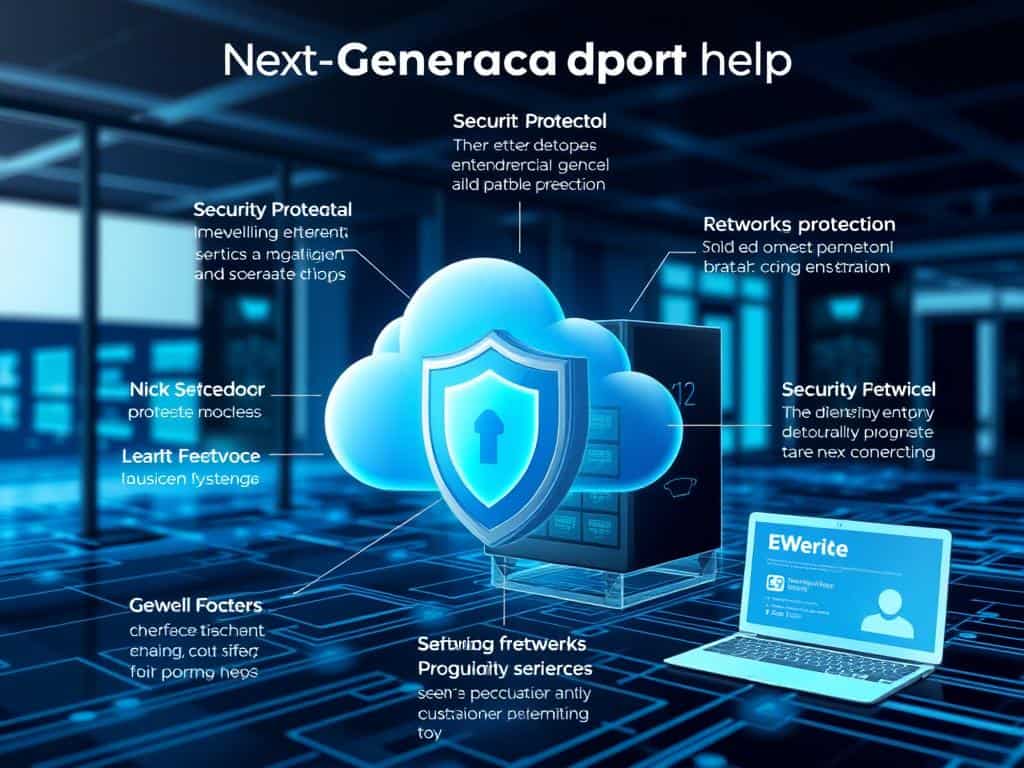
A firewall is a device that monitors, filters, and controls incoming and outgoing network traffic based on predefined security rules, acting as a barrier between trusted internal networks and untrusted external networks.
Next-Generation Firewalls (NGFW) go beyond traditional solutions by incorporating deeper packet inspection and additional security features like intrusion prevention and application awareness.
Intrusion Prevention Systems (IPS)
Intrusion Prevention Systems (IPS) detect and block known and suspected threats before they can impact the network, including their ability to perform deep packet inspection and virtual patching.

Antivirus and Anti-malware Protection
Antivirus and anti-malware solutions are crucial for identifying and neutralizing malicious software that could compromise network security.

Network Access Control (NAC)
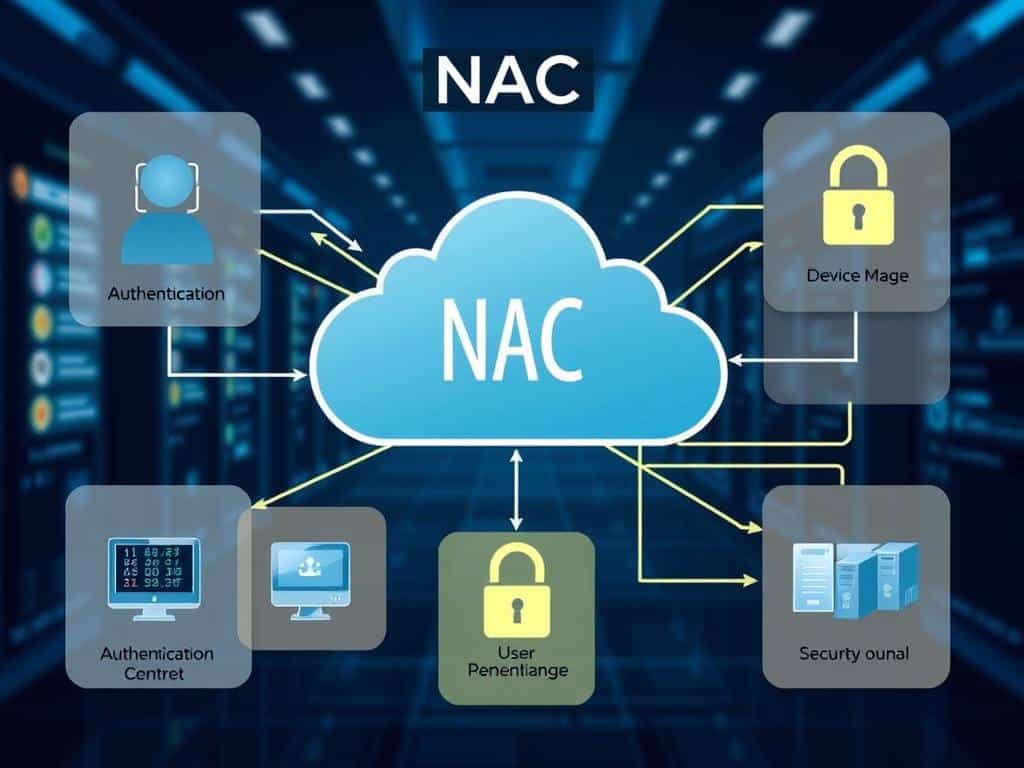
Network Access Control (NAC) systems govern which devices can connect to the network, ensuring only authorized and compliant devices gain entry.
NAC is vital for preventing unauthorized access and reducing the risk of breaches.
By understanding and implementing these essential network security solutions and tools, organizations can significantly enhance their security posture.
Advanced Network Security Technologies
Advanced network security technologies are crucial for protecting modern networks from sophisticated threats. As networks evolve, the need for robust security measures becomes increasingly important.
Email Security Systems
Email security systems are designed to protect email accounts and their contents from unauthorized access. These systems safeguard against phishing attacks, spam, and malware, which are among the most common email-borne threats.

Web and DNS Filtering
Web and DNS filtering technologies prevent users from accessing malicious websites and block domain-based attacks. This helps enforce acceptable use policies while protecting against harmful content.

VPN and Remote Access Security
VPN and remote access security solutions create encrypted tunnels for secure communication when accessing network resources from outside the organization. This is particularly important in today’s remote work environment.

Cloud Network Security
Cloud network security ensures the visibility and protection of data in cloud environments. As workloads and applications increasingly move to the cloud, different approaches to security are required compared to traditional on-premises infrastructure.

These advanced network security technologies complement essential security tools to create a comprehensive security posture. They are evolving to address emerging threats and changing network architectures, helping organizations determine their specific security needs based on risk profiles and business requirements.
Network Security Strategies for Modern Threats
The landscape of network security is changing, with modern threats requiring more sophisticated defense mechanisms. As threats become more complex, it’s essential to adopt advanced strategies that go beyond traditional perimeter-based security.
Network Segmentation and Micro-segmentation
Network segmentation involves dividing a network into smaller, isolated segments to contain breaches and limit lateral movement of threats. This approach enhances security by restricting access to sensitive areas of the network. By doing so, it reduces the attack surface and minimizes potential damage.
Zero Trust Security Model
The Zero Trust security model operates on the principle of “never trust, always verify.” It requires strict identity verification for every person and device trying to access resources, regardless of whether they’re inside or outside the network perimeter. This model significantly improves security by ensuring that only authorized entities can access sensitive data.
Sandboxing for Threat Analysis
Sandboxing is a cybersecurity technique that involves executing suspicious files or code in a secure, isolated environment. This allows for the analysis of potential threats without risking the actual network. By isolating and examining threats in a controlled environment, organizations can better understand and mitigate risks to their network security.
These strategies work together to create a more resilient security posture that can better withstand advanced persistent threats and targeted attacks. By implementing network segmentation, adopting the Zero Trust model, and utilizing sandboxing, organizations can significantly enhance their network security and protect their data.
Implementing Effective Network Security
Effective network security implementation is key to safeguarding against cyber threats. To achieve this, organizations must consider several critical factors.
Security Policies and Procedures
Comprehensive security policies are essential for establishing clear guidelines for network usage, access controls, and incident response. These policies help ensure that all users understand their roles in maintaining security.
User Education and Training
User education and training programs are vital for preventing security breaches caused by human error. By educating users about potential threats and best practices, organizations can significantly reduce the risk of cyber attacks.
Regular Security Assessments and Updates
Regular security assessments, including vulnerability scanning and penetration testing, help identify weaknesses before they can be exploited. Keeping all security systems updated with the latest patches is crucial for protecting against newly discovered vulnerabilities.
By focusing on these areas, organizations can implement effective network security measures that protect their network and data from cyber threats.
Industry-Specific Network Security Considerations
Different industries face unique network security challenges that require tailored approaches. As cyber threats evolve, it’s crucial for organizations to adapt their security measures to their specific industry needs.
Mobile Device Security
Mobile device security is becoming increasingly critical as more organizations allow personal devices to access corporate networks and applications. To mitigate risks, companies can implement mobile device management (MDM) solutions, application controls, and containerization to separate personal and corporate data. This helps prevent data loss and unauthorized access to sensitive information.

Industrial Network Security
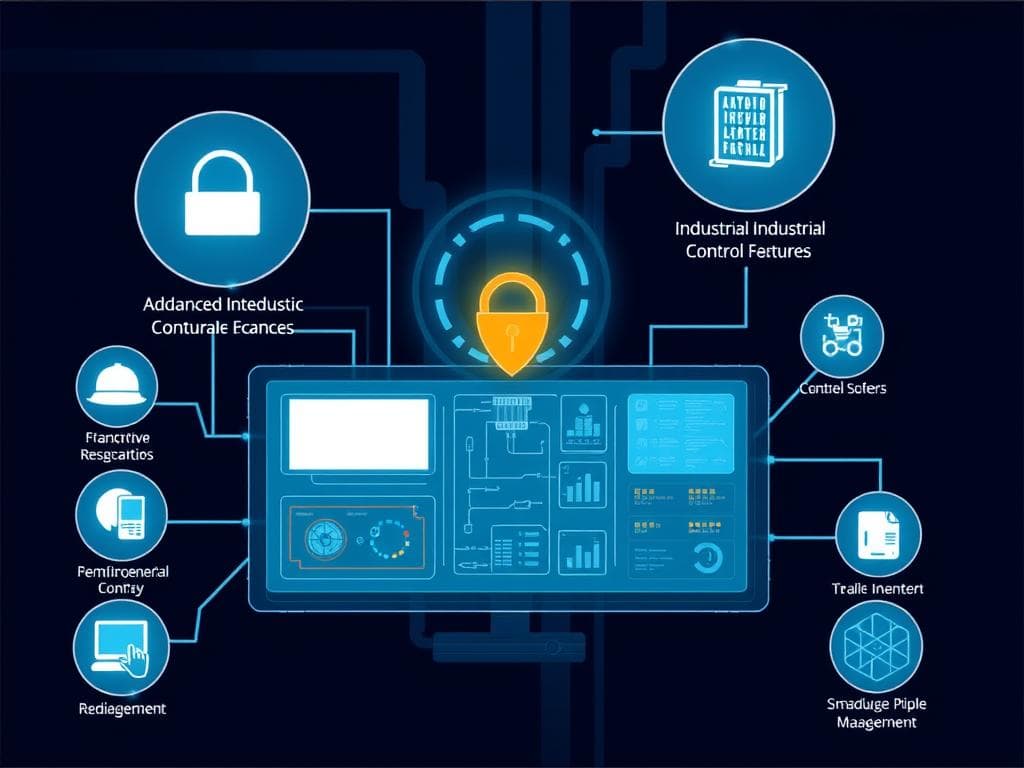
Industrial network security is vital for operational technology (OT) environments, including manufacturing, utilities, and critical infrastructure. The convergence of IT and OT networks exposes Industrial Control Systems (ICS) to cyber threats. Organizations must implement specialized security controls and monitoring to protect these systems, which were often designed without security in mind.
Conclusion: Building a Resilient Network Security Posture
As cyber threats continue to grow in sophistication, the need for robust network security measures has never been more pressing. Effective security involves a multi-layered approach, including firewalls, encryption, and intrusion detection systems to safeguard data and prevent unauthorized access. Regular updates, strong passwords, and user education are also crucial. By prioritizing protection and continually adapting to evolving threats, organizations can ensure a resilient network security posture.