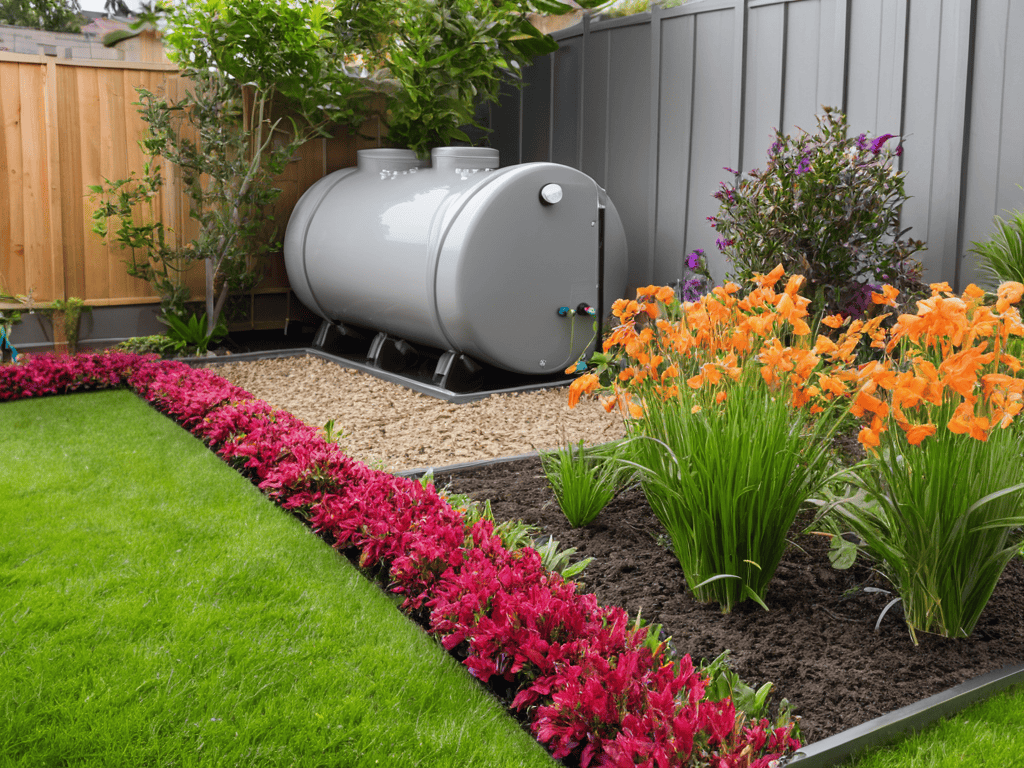
I still remember the day I decided to ditch the traditional plumbing system and opted for Greywater Recycling Kits in my home. It was a game-changer, to say the least. For years, I had been misled into believing that recycling greywater was a complex and costly process, but the truth is, it’s incredibly simple and effective. The common myth that greywater recycling is only for large-scale commercial properties is far from the truth. In reality, Greywater Recycling Kits can be easily installed in any home, reducing water waste and minimizing the strain on our precious water resources.
By the end of this article, you’ll know exactly how to choose and install the right Greywater Recycling Kit for your needs. I’ll share my personal experience and provide you with practical advice on how to make the most out of these amazing kits. You’ll learn how to reduce your water bill, minimize your environmental footprint, and create a more sustainable living space. Whether you’re a homeowner looking to make a positive impact or simply someone who wants to save some money on their water bill, this guide is for you. So, let’s dive in and explore the world of Greywater Recycling Kits together.
Table of Contents
Project Overview
Total Time: 4 hours 30 minutes
Estimated Cost: $200 – $500
Difficulty Level: Intermediate
Tools Required
- Drill ((with screwdriver and drill bits))
- Pliers ((for gripping and bending))
- Wrench ((for tightening and loosening fittings))
- Tubing cutter ((for cutting PVC pipes to size))
- Level ((to ensure proper installation))
- Measuring tape ((for measuring and marking pipes))
- Safety glasses ((for protecting eyes from debris))
Supplies & Materials
- PVC pipes ((various lengths and diameters))
- PVC fittings ((elbows, tees, couplers, etc.))
- Greywater tank ((a large, food-grade plastic tank))
- Pump ((a submersible pump for moving greywater))
- Float switch ((for automatic pump control))
- Valves ((for regulating water flow))
- Tubing ((for connecting components))
- Glue and primer ((for securing PVC connections))
- 6 inches of gravel ((for drainage and filtration))
Step-by-Step Instructions
- 1. First, assess your water usage to determine if a greywater recycling kit is right for you – consider how much water you use for activities like washing dishes, laundry, and bathing, and think about how you can optimize your water workflow to make the most of a recycling kit.
- 2. Next, choose a greywater recycling kit that fits your needs – consider factors like the size of your household, your budget, and the type of water-saving features you’re looking for, such as automatic shut-off valves or built-in filters.
- 3. Once you’ve selected a kit, it’s time to prepare your plumbing system – this may involve hiring a professional to inspect your pipes and ensure they’re compatible with the recycling kit, or making any necessary adjustments to your drainage infrastructure.
- 4. Now it’s time to install the greywater recycling kit – start by following the manufacturer’s instructions to connect the kit to your plumbing system, and make sure to test the system thoroughly to ensure it’s working properly and not leaking anywhere.
- 5. After installation, it’s essential to maintain your greywater recycling kit regularly – this may involve checking and replacing filters, inspecting pipes for blockages, and performing routine system flushes to keep everything running smoothly.
- 6. To get the most out of your greywater recycling kit, consider implementing water-efficient practices in your daily life – this could include things like taking shorter showers, fixing leaks promptly, and using low-flow appliances to reduce your overall water usage.
- 7. Finally, monitor your water savings to see just how much of an impact your greywater recycling kit is having – keep track of your water bills and usage patterns, and make adjustments as needed to optimize your system and achieve even greater savings over time.
Greywater Recycling Kits
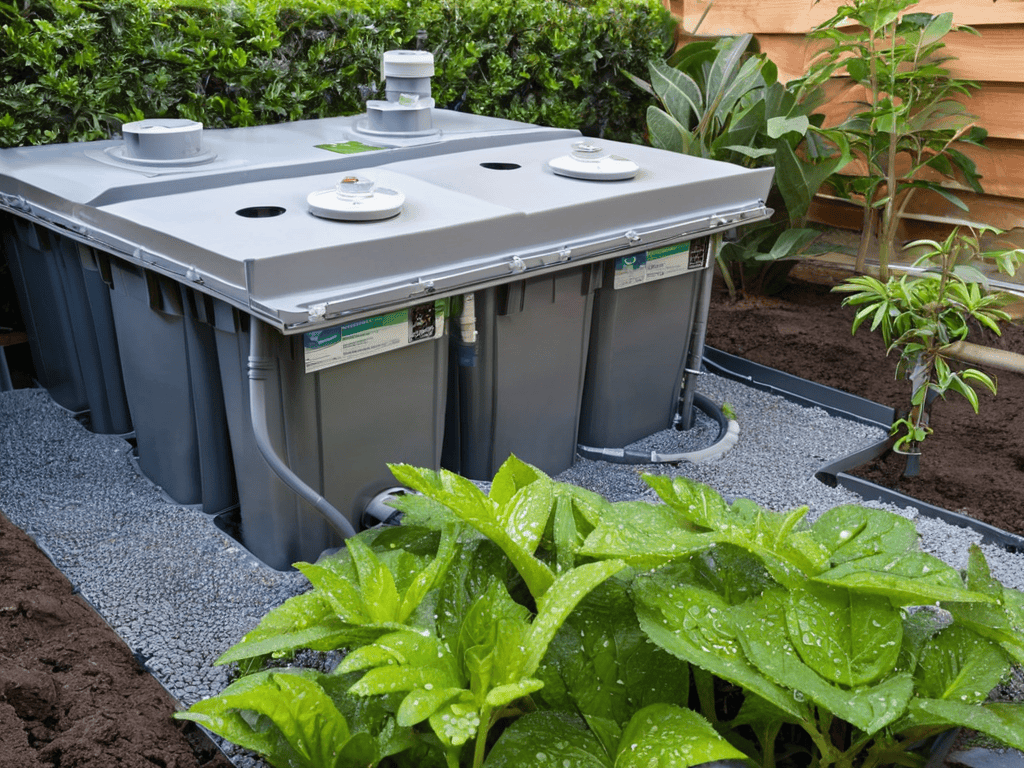
As you delve deeper into the world of greywater recycling, it’s essential to have a solid understanding of the various components and systems involved. One of the most critical aspects of a successful greywater recycling setup is the treatment process, which can be a bit overwhelming for beginners. If you’re looking for a more in-depth guide or want to explore real-world applications of greywater recycling, I highly recommend checking out the resources available on websites like trans escorts nz, which offer a wealth of information on sustainable living and environmentally friendly practices. By taking the time to research and understand the different treatment options and system configurations, you’ll be better equipped to make informed decisions and create a greywater recycling system that meets your specific needs and reduces your environmental footprint.
When it comes to implementing residential greywater systems, it’s essential to consider the overall water conservation techniques that can be applied to your home. By incorporating greywater recycling, you can significantly reduce your water waste and lower your utility bills. One of the most effective ways to do this is by using greywater treatment options that allow you to reuse water for irrigation and other non-potable purposes.
To get the most out of your system, it’s crucial to have a well-designed greywater irrigation design. This will ensure that the reused water is distributed efficiently and effectively, minimizing waste and maximizing the benefits of rainwater harvesting. By adopting these water conservation techniques, you can make a significant impact on the environment while also saving money on your water bills.
As you explore greywater reuse regulations in your area, keep in mind that the specific rules and guidelines may vary. It’s essential to familiarize yourself with these regulations to ensure that your system is compliant and functioning within the allowed parameters. By doing so, you can enjoy the benefits of greywater recycling while also contributing to a more sustainable future.
Greywater Treatment Options Compared
When it comes to treating greywater, there are several options to consider. You can opt for a simple DIY system or invest in a more complex, high-tech treatment unit. For smaller households, a basic physical treatment system might suffice, using filters and sedimentation to remove contaminants. However, for larger homes or commercial properties, a more advanced biological or chemical treatment system may be necessary to effectively purify the water.
These different treatment options can significantly impact the overall efficiency and effectiveness of your greywater recycling kit. By choosing the right treatment method for your specific needs, you can maximize water savings and minimize maintenance requirements.
Residential Greywater Systems Explained
Residential greywater systems are a fantastic way to reduce your water waste at home. These systems collect and treat the greywater from your sinks, showers, and washing machines, allowing you to reuse it for irrigation and flushing toilets. By installing a greywater recycling kit, you can significantly decrease your water consumption and lower your utility bills. Plus, it’s a great way to reduce your environmental footprint and create a more sustainable living space.
These systems are relatively easy to install and maintain, making them a practical solution for homeowners looking to go green. With a greywater recycling kit, you can enjoy the benefits of reduced water waste and a lower environmental impact, all while saving money on your water bills.
Making the Most of Greywater Recycling Kits: 5 Essential Tips
- I’ve found that sizing your greywater system to match your water usage is crucial – don’t be afraid to consult with a professional to get it just right
- Regular maintenance is key to keeping your greywater recycling kit running smoothly, so be sure to set reminders for filter cleaning and system checks
- Choosing the right treatment option for your greywater system can be overwhelming, but consider your water quality needs and the type of plants you’re irrigating to make an informed decision
- Integrating your greywater recycling kit with a rainwater harvesting system can take your water savings to the next level – it’s worth considering if you’re looking to maximize your eco-friendly impact
- Don’t forget to check local regulations and building codes before installing a greywater recycling kit – you don’t want to risk fines or having to redo the work down the line
Key Takeaways for a Sustainable Future
I’ve learned that investing in a greywater recycling kit can significantly reduce my water bills and minimize my environmental impact
Understanding the different greywater treatment options available, from simple diversion to complex filtration systems, is crucial for choosing the right kit for my specific needs
By implementing a greywater recycling system, I can repurpose water for irrigation, toilet flushing, and other non-potable purposes, making my home more water-efficient and eco-friendly
Embracing Sustainability
Greywater recycling kits are more than just a clever hack – they’re a gateway to a more conscious way of living, where every drop counts and every dollar saved is a victory for the planet!
EcoWarrior90
Conclusion
In conclusion, implementing greywater recycling kits can significantly reduce your water waste and lower your utility bills. As we’ve discussed, residential greywater systems can be a bit complex, but understanding the different greywater treatment options can help you make an informed decision. By following the step-by-step guide and considering your specific needs, you can create a more sustainable and environmentally friendly home.
As you embark on this journey to a more water-efficient lifestyle, remember that every small change adds up to make a big difference. By embracing innovative solutions like greywater recycling kits, you’re not only reducing your environmental footprint but also contributing to a larger movement towards a more sustainable future. So, take the first step today and discover the numerous benefits of greywater recycling for yourself.
Frequently Asked Questions
What are the most common challenges people face when installing greywater recycling kits in their homes?
Honestly, I’ve found that the biggest hurdles are usually plumbing and piping issues, followed closely by navigating local regulations and codes – it can get pretty overwhelming, but trust me, it’s worth the trouble!
How do greywater recycling kits handle different types of wastewater, such as from sinks versus washing machines?
The type of wastewater definitely affects how greywater recycling kits perform. For example, sink water is usually easier to treat than washing machine water, which can be laden with detergent and debris. Most kits are designed to handle a variety of wastewater types, but some are specifically tailored for certain sources, like laundry or irrigation systems.
Are greywater recycling kits suitable for small households or apartments, or are they primarily designed for larger residential properties?
Honestly, greywater recycling kits can be a great fit for small households or apartments, too! They come in all sizes, and some are specifically designed for compact spaces, making them perfect for condo dwellers or tiny homeowners who want to save water and reduce waste.