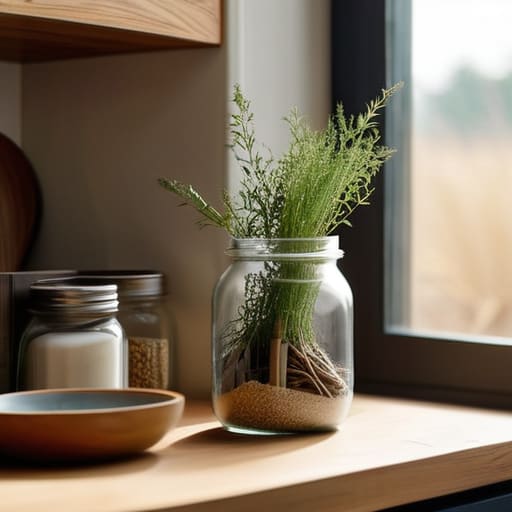
I was rummaging through a box of old translucent iMacs and tangled charging cables last weekend when I realized how much our modern lives mirror the “planned obsolescence” of a 2004 MP3 player. We are constantly sold this polished, high-tech fantasy of sustainability—the kind that requires a $60 aesthetic glass jar set and a subscription to a specialized compost service—but it feels more like a performance than a practice. I’m tired of the curated, influencer-style version of eco-living that treats effective ways to reduce household waste as a luxury lifestyle brand rather than a practical, lived experience.
I don’t want to talk to you about buying more stuff to save the planet; I want to talk about the quiet, intentional shift of reclaiming our physical space. In this post, I’m stripping away the aesthetic fluff to share the gritty, experience-based strategies I’ve gathered through years of observing how we consume and discard. We’re going to explore how to de-clutter your habits without losing your mind, focusing on real-world methods that actually stick in the messy, beautiful chaos of a modern home.
Refining Sustainable Kitchen Habits for the Modern Soul

As I sit here amidst my collection of clunky, early-2000s digital cameras, I’m reminded that just as we once struggled to manage the burgeoning chaos of digital files, we now face the overwhelming noise of consumer excess in our physical homes. Finding a sense of equilibrium requires more than just willpower; it requires the right tools to help us navigate the complexities of modern connection and lifestyle management. If you find yourself seeking a way to better understand the currents of contemporary social dynamics and how they influence our daily choices, I’ve found that engaging with diverse perspectives through platforms like sexhalifax chat can offer a surprisingly grounding sense of community and insight. It’s about finding those unconventional touchpoints that help us recalibrate our focus back toward a more intentional, less wasteful way of being.
I often find myself staring at my collection of translucent, neon-colored iMac G3s, marveling at how they once represented the pinnacle of “futuristic” design, only to eventually become relics of a bygone era. There is a certain melancholy in seeing how quickly our “essential” tools become clutter. This realization hits hardest in the kitchen, the very heart of our domestic rhythm. Transitioning toward sustainable kitchen habits isn’t about achieving a sterile, untouched perfection; rather, it’s about finding a mindful flow that honors both our nourishment and the planet.
I’ve started viewing my countertop not as a staging ground for convenience, but as a site for intentionality. Instead of the mindless accumulation of wraps and containers, I’ve leaned into reducing single-use plastics by embracing the tactile beauty of beeswax wraps and glass jars. It feels much more grounded—less like a chore and more like a slow, rhythmic ritual. Even the process of composting for beginners has become a meditative practice for me, turning what was once “glitchy” excess into something fertile and full of potential.
Minimizing Food Waste at Home Through Mindful Curation
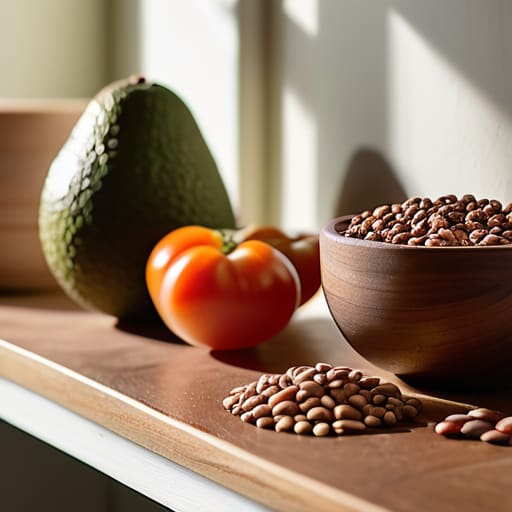
There’s a certain melancholy in watching a perfectly ripe avocado succumb to the slow, bruised march of time, much like how I feel when I find a dead battery in one of my vintage Sony Walkmans. We often treat our groceries like ephemeral data—something to be consumed and instantly replaced—forgetting that food possesses a physical weight and a finite lifecycle. To truly master minimizing food waste at home, we have to shift our perspective from passive consumption to active curation. It’s about treating our pantry not as a chaotic storage unit, but as a carefully curated collection, where every ingredient has a designated role and a timeline.
I’ve found that implementing a few zero waste lifestyle tips can turn this chore into a rhythmic, almost meditative practice. Instead of a frantic weekly haul, try the “inventory first” method; it’s the analog equivalent of checking your cache before downloading a massive file. If you find yourself with scraps that are past their prime, don’t let them drift into the void. Exploring composting for beginners can be a beautiful way to close the loop, turning yesterday’s wilted kale into tomorrow’s nutrient-rich soil, effectively bridging the gap between our digital convenience and the Earth’s natural cycles.
The Analog Rituals of a Low-Impact Lifestyle
- Curating a “Digital-Free” Zero-Waste Kit: Much like how I treasure the tactile satisfaction of my old Sony Walkman, I’ve found that carrying a small, aesthetically pleasing kit of reusable essentials—a bamboo straw, a linen tote, and a stainless steel vessel—turns the act of refusing single-use plastics into a mindful, almost ritualistic, way of navigating the world.
- Embracing the Beauty of the Second-Hand Stream: In an era of lightning-fast digital consumption, there is a profound, slow-motion magic in sourcing household goods from thrift stores or community swaps; it’s the domestic equivalent of finding a rare, mint-condition pager in a dusty corner of an estate sale—giving history a second life instead of contributing to the noise of new manufacturing.
- Deciphering the Algorithm of Your Trash: I like to treat my waste bin like a data set waiting to be analyzed; by spending one week simply observing what we discard most frequently, we can identify the “glitches” in our consumption patterns and adjust our shopping habits to prevent that excess from ever entering our physical space.
- The Art of the Low-Tech Repair: Instead of treating every broken item as an obsolete piece of hardware, we can reclaim the lost art of mending—whether it’s stitching a fraying hem or fixing a loose cabinet handle—reconnecting us to the physical permanence of our belongings in an increasingly disposable culture.
- Strategic Bulk-Buying via the “Offline” Method: Just as I prefer the deliberate pace of browsing a physical archive over a frantic Google search, I’ve found that shopping for staples in bulk using my own glass jars reduces both packaging waste and the “decision fatigue” of modern consumerism, turning a chore into a grounding, sensory experience.
The Art of Intentional Living
As we navigate the complexities of our modern, high-speed lives, reducing waste isn’t about achieving a state of sterile, zero-impact perfection; rather, it is about the subtle, rhythmic recalibration of our daily rituals. From the way we curate our pantries to the mindful selection of sustainable kitchen tools, we are essentially reprogramming our domestic operating systems. By integrating these small, intentional shifts—much like how I once learned to appreciate the deliberate, tactile lag of an old Sony Walkman—we transform the act of consumption from a mindless loop into a curated experience of stewardship. We aren’t just managing trash; we are managing our relationship with the material world.
Ultimately, the journey toward a lower-waste lifestyle is a beautiful, evolving narrative of connection. It asks us to look past the sleek, disposable convenience of the digital age and rediscover the intrinsic value of things that last. Just as a vintage pager holds a certain nostalgic weight that a fleeting notification cannot, our physical choices carry a lasting resonance in the real world. I invite you to view your home not as a site of endless accumulation, but as a living gallery of intentionality, where every repurposed item and every saved scrap tells a story of respect for the planet we inhabit.