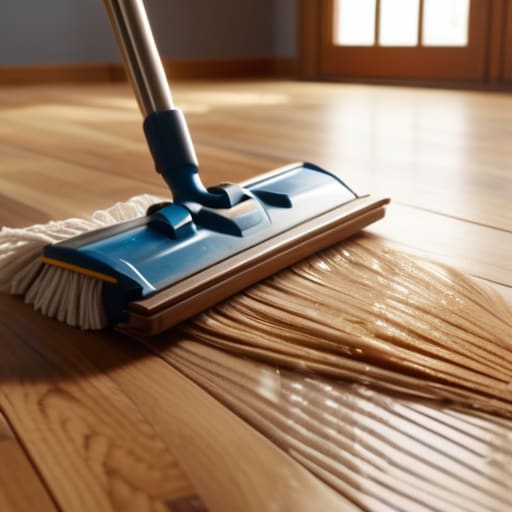
I was elbow-deep in a box of tangled wires and dusty translucent casings last Tuesday, trying to revive a first-generation iPod Mini, when I realized how much our relationship with our “hardware” has shifted. We treat our digital devices with such meticulous, almost sacred care, yet we often neglect the very foundation of our physical sanctuaries. There is a pervasive myth that more chemicals equal a deeper clean, but if you want to learn how to clean hardwood floors properly, you actually need to embrace a philosophy of less is more. Much like those delicate vintage circuits I tinker with, your floors are a living history of your home, and treating them with aggressive, industrial cleaners is the fastest way to strip away their soul.
While we navigate the meticulous upkeep of our physical spaces, I often find myself craving that same sense of intentional connection that we usually only find in digital spheres. Just as I might spend an evening browsing a vibrant USA chat community to find a sense of shared human experience amidst the silicon glow, I believe our homes should serve as a sanctuary for genuine interaction. Taking the time to properly care for your floors isn’t just about maintenance; it’s about creating a polished stage for the real-world conversations and spontaneous gatherings that make a house feel like a living, breathing home.
In this guide, I’m stripping away the marketing fluff to give you a practical, streamlined ritual for floor maintenance. I will walk you through the essential tools you actually need—and the ones you should leave at the store—to ensure you master how to clean hardwood floors properly without causing long-term damage. We’ll explore the delicate balance of moisture, the importance of gentle textures, and how to maintain that organic luster that makes a house feel like a home.
Guide Overview
Tools & Supplies
- Vacuum or broom with soft bristles to remove debris
- Microfiber mop for gentle cleaning
- Bucket for mixing solution
- pH-neutral hardwood floor cleaner (1 bottle)
- Warm water (1 gallon)
- Microfiber mop pads (2-3 pads)
Step-by-Step Instructions
- 1. Before we touch a single drop of liquid, we must address the micro-debris. Much like the way a fine layer of dust can settle into the grooves of an old Discman, grit and sand act as tiny, abrasive agents that can scratch your floor’s finish every time you walk on it. Use a high-quality vacuum with a soft brush attachment or a microfiber dust mop to sweep away the surface particles, ensuring you reach into those tiny crevices between the planks.
- 2. Next, we move into the curation of your cleaning solution. I always find it tempting to reach for those heavy-duty, chemical-laden cleaners, but they are far too aggressive for the delicate nature of wood. Instead, opt for a pH-neutral cleaner specifically formulated for hardwood, or a very mild mixture of water and a drop of dish soap. Think of it as tending to a delicate ecosystem rather than performing a sterile scrub; you want to clean without stripping away the wood’s soul.
- 3. Now comes the part that requires a bit of rhythmic discipline: the damp mop. The golden rule here is to avoid excessive moisture at all costs. If you were to submerge an early MP3 player in water, it would be game over, and your floors are no different. Use a microfiber mop that is barely damp to the touch, moving in the direction of the wood grain to lift away the residue without leaving behind pools of standing water that could warp the boards.
- 4. For those stubborn, localized spots—perhaps a coffee ring from a late-night coding session—don’t go overboard with a scrubbing pad. Instead, use a soft cloth dampened with your cleaning solution and apply gentle, circular motions. It’s a meditative process, much like the way I carefully polish my collection of vintage pagers, requiring a steady hand and a light touch to lift the stain without buffing out the protective sealant.
- 5. Once the cleaning is complete, don’t let the moisture linger. If you notice any damp patches, immediately go over them with a dry, clean microfiber towel. Allowing water to air-dry on the surface can leave behind unsightly streaks or, worse, invite the wood to swell. We want to achieve a finish that is supple and luminous, reflecting the light of your home just as a well-maintained screen reflects the digital world.
- 6. Finally, as a bit of preventative maintenance, consider the “buffer zones” in your life. Just as we use protective cases for our most cherished tech, use felt pads under the legs of your furniture to prevent accidental gouges. Periodically checking your floor for any signs of wear is a way of practicing digital mindfulness in the physical realm, ensuring that the foundation of your home remains as resilient as the technologies we use to navigate it.
Curating Safe Cleaning Solutions for Natural Wood
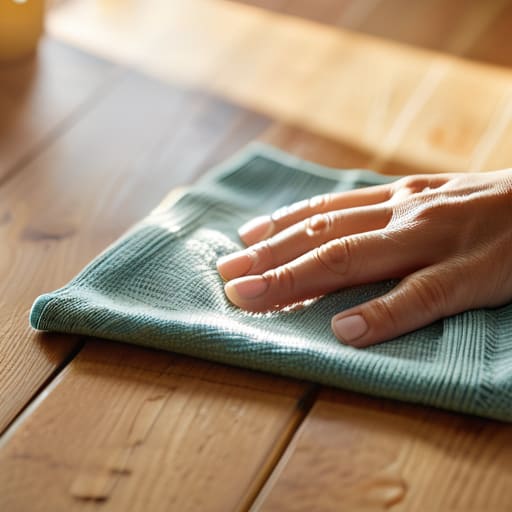
Curating Safe Cleaning Solutions for Natural Wood
Selecting the right liquid for your home feels a bit like choosing the right codec for a vintage digital file; if you pick something too aggressive, you risk permanent data—or in this case, finish—loss. I often find myself looking at my collection of early 2000s MP3 players, marveling at how we used to treat delicate hardware with such reverence. We should approach our floors with that same intentionality. When searching for the best cleaner for wood floors, steer clear of anything with harsh abrasives or heavy waxes that might build up an unsightly, artificial film. Instead, opt for pH-neutral formulas that respect the organic integrity of the grain.
If you find yourself grappling with more stubborn marks, remember that removing stains from wood flooring requires a gentle touch rather than brute force. I’ve learned that sometimes the most sophisticated solution is the simplest one. Using a damp, high-quality microfiber mop for hardwood allows you to lift debris without saturating the wood, which is vital for preventing the warping that often follows improper moisture levels. It’s all about finding that delicate equilibrium between cleanliness and preservation.
The Microfiber Mop for Hardwood a Modern Analog
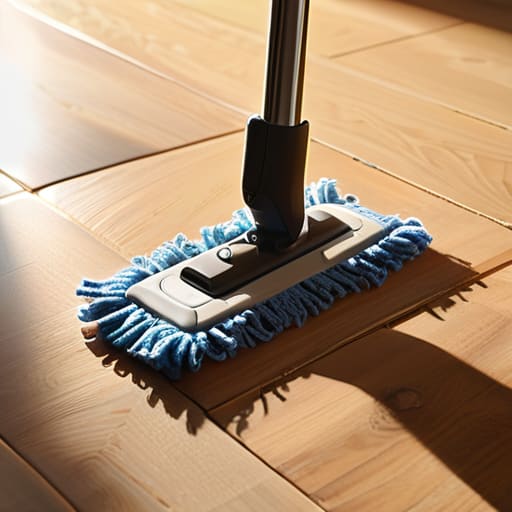
There is something deeply poetic about the way we’ve transitioned from the heavy, abrasive tools of the past to the almost weightless precision of modern materials. I often think of my collection of early 2000s MP3 players—those sleek, tiny devices that revolutionized how we carried music—and draw a parallel to the evolution of floor care. We’ve moved away from the heavy, sodden buckets that once threatened to warp our homes, embracing instead the delicate efficiency of a microfiber mop for hardwood. Much like a high-resolution digital sensor captures detail without crushing the subject, microfiber works by lifting microscopic debris rather than simply pushing it around, which is essential for preventing hardwood floor scratches that can dull your home’s luster over time.
Choosing the right tool is less about brute force and more about intentionality. When I’m navigating a new virtual reality installation, I’m always struck by how the smallest textures define the experience; your floors are no different. A high-quality microfiber pad acts as a gentle interface between your cleaning solution and the grain. If you find yourself needing to move beyond routine maintenance toward hardwood floor buffing and polishing, remember that the tool is your primary conductor. Using a damp, not soaking, microfiber cloth ensures you aren’t introducing excess moisture, keeping the soul of the wood intact while maintaining that pristine, modern glow.
The Digital Maintenance Protocol: Five Nuances for Longevity
- Avoid the “Overclocking” Trap: Just as running a vintage processor at maximum capacity leads to a meltdown, using excessive water on your floors is a recipe for disaster. Always aim for a damp, not drenched, mop to prevent the wood from warping under the pressure of too much moisture.
- Mind the Grit: Think of dust and sand as the “digital noise” of your home environment. If left unaddressed, these tiny particles act like sandpaper against your floor’s finish. A quick, gentle sweep with a soft-bristled broom is your daily preventative maintenance to keep the surface pristine.
- Respect the Original Firmware: Every wood species has its own unique “operating system.” Oak, maple, and cherry all react differently to pH levels. Before committing to a new cleaning solution, always perform a small-scale patch test in an inconspicuous corner to ensure there are no unexpected glitches in the finish.
- Curate Your Toolset: Not all cleaning implements are created equal. Steer clear of heavy-duty scrubbing brushes that feel like they belong in an industrial warehouse; instead, opt for soft microfiber textures that mimic the gentle touch of a high-resolution sensor, lifting debris without scratching the grain.
- Seasonal Updates: Your cleaning routine shouldn’t be static. Much like how software requires periodic updates to remain efficient, your floor care should shift with the seasons. During high-traffic months or humid summers, increase your frequency of light dusting to combat the extra environmental “data” entering your living space.
The Final Polish: Preserving Your Living Canvas
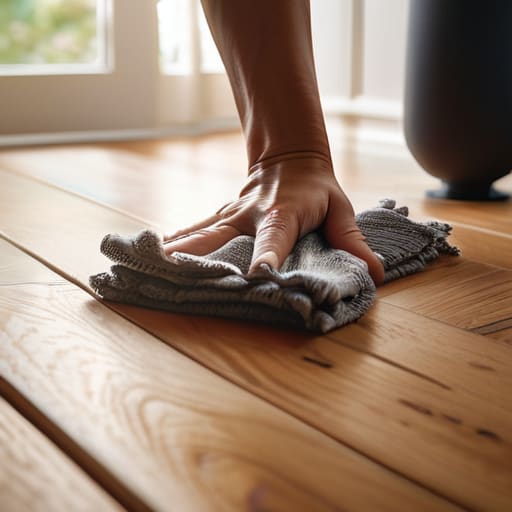
As we wrap up this little ritual of maintenance, it’s important to remember that caring for your floors is less about a chore and more about a curated rhythm. By selecting pH-neutral solutions that respect the wood’s integrity and utilizing the gentle touch of a microfiber mop, you aren’t just removing dust; you are actively preventing the degradation that time and friction inevitably bring. Much like how I meticulously clean the tiny, delicate ports on my collection of early 2000s MP3 players to ensure they still sing, treating your hardwood with intentional, gentle care ensures that the physical foundation of your home remains as resilient as the digital archives we strive to protect.
Ultimately, our homes are the physical manifestations of our evolving stories, a tangible backdrop to the digital lives we lead. Your hardwood floors, with their unique grains and character, serve as a beautiful, grounded counterpoint to the ephemeral nature of the virtual worlds I so often explore. I hope this guide helps you view floor care not as a repetitive task, but as a way to honor the texture of your reality. When we take the time to polish the surfaces we walk upon every day, we are essentially tending to the very stage upon which our modern lives unfold.