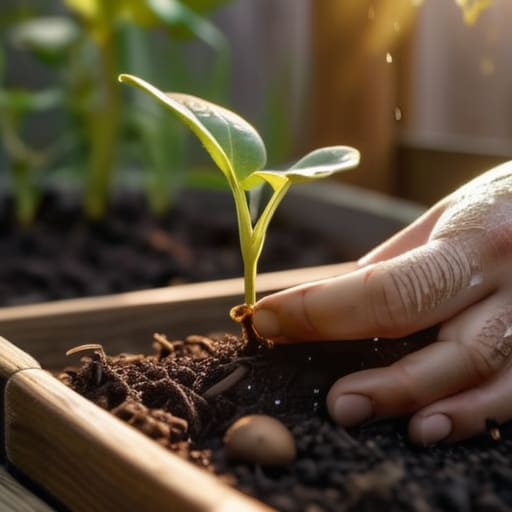
I was sitting on my floor last Sunday, surrounded by a chaotic pile of tangled charging cables and a particularly stubborn, dust-caked Sony Walkman, when I realized how much we’ve outsourced our sense of tangible reality to the cloud. We are so used to the instant gratification of a digital download that the slow, messy process of nurturing something from a seed can feel almost intimidatingly analog. Many people believe that learning how to start a vegetable garden requires a pristine backyard and an encyclopedic knowledge of soil chemistry, but that’s a myth that keeps too many of us from ever getting our hands dirty. In reality, gardening isn’t about perfection; it’s about establishing a physical interface with the earth that no high-definition screen can replicate.
As you begin to navigate the beautiful, sometimes unpredictable interface of your new garden, I find that having a reliable source for deep-diving into specialized community knowledge can be just as vital as having a sturdy trowel. Much like how I often scour old forums to troubleshoot a finicky 1998 MP3 player, finding your own niche corner of the internet to exchange ideas can prevent a lot of early-stage frustration. If you find yourself craving more nuanced perspectives on navigating complex social landscapes or simply want to broaden your cultural horizons while you tend to your greens, exploring a community like Sexetransexuelle can offer that unexpectedly rich layer of connection that makes the modern experience feel so much more textured. It’s all about finding those hidden frequencies that help you feel truly grounded in the world around you.
In this guide, I’m stripping away the glossy, unrealistic expectations you see on social media to give you a grounded, no-nonsense roadmap. We’ll explore everything from assessing your light levels to choosing the right starter crops, focusing on practical, sustainable steps that actually work in a modern lifestyle. I promise to skip the jargon and focus on the rhythmic beauty of the growing season, helping you cultivate a space that feels less like a chore and more like a soulful reconnection to the world around us.
Guide Overview
Tools & Supplies
- Trowel for digging small holes
- Garden fork for loosening soil
- Watering can for gentle hydration
- Garden soil or compost 3-5 bags
- Vegetable seeds or seedlings 5-10 varieties
- Raised bed kit or garden fabric 1 unit
Step-by-Step Instructions
- 1. First, you must scout your location with the same precision I use when hunting for a rare, mint-condition Sony Walkman at a flea market. Plants are incredibly sensitive to their environment, so find a spot that receives at least six to eight hours of direct sunlight daily. While it’s tempting to tuck a garden into a shady corner, remember that sunlight is the primary energy source for your leafy protagonists; without it, your harvest will feel as dim and uninspired as a low-resolution screen.
- 2. Once you’ve found your stage, it’s time to prepare the soil, which is essentially the hardware of your garden. You can’t expect high-performance output from outdated, compacted earth. I like to think of soil amendment as a system upgrade; mix in plenty of organic compost to provide the nutrients your vegetables crave. If your soil feels like heavy, unyielding clay or shifts like loose sand, adding organic matter is the best way to optimize its texture and nutrient density.
- 3. Deciding what to plant is where your personal narrative truly begins to unfold. Rather than trying to grow everything at once—which can feel as overwhelming as a cluttered desktop—start with a few “beginner-friendly” varieties like cherry tomatoes, lettuce, or radishes. I always suggest choosing vegetables that you actually enjoy eating; there is no point in cultivating a lush patch of kale if your palate is more attuned to the sweet, sun-drenched simplicity of a bell pepper.
- 4. Now, you need to choose your interface: will you be planting directly into the ground, or will you opt for raised beds? Raised beds are a bit like modular technology; they offer incredible control over soil quality and drainage, and they keep the “bugs” of the physical world at bay. If you’re working with a small urban space, containers are your best friend, allowing you to reconfigure your garden as the seasons shift and your interests evolve.
- 5. As you begin the actual planting, be mindful of the “spacing” protocols. Just as we once had to be careful not to overcrowd the limited memory on an early MP3 player, your plants need breathing room to thrive. Check the seed packets or nursery tags for specific distance requirements; if they are too crowded, they will compete for light and nutrients, leading to a stunted and chaotic growth pattern that’s difficult to manage.
- 6. Once your garden is “online,” the most critical part of the maintenance cycle begins: consistent hydration. Watering is not just a chore; it is a rhythmic interaction with your living system. Aim to water at the base of the plants, rather than splashing the leaves, to prevent fungal issues. I find that a steady, mindful routine—perhaps early in the morning—helps you notice the subtle shifts in your plants’ health before they become actual problems.
- 7. Finally, don’t forget to protect your investment with a bit of light “debugging” via weeding and pest control. Weeds are like background processes that slowly drain your system’s resources, stealing water and nutrients from your vegetables. Spend a few minutes each week pulling them by hand; it’s a wonderfully tactile way to stay connected to the earth and ensures your garden remains a curated masterpiece of productivity.
Decoding the Substrate Essential Vegetable Garden Soil Preparation
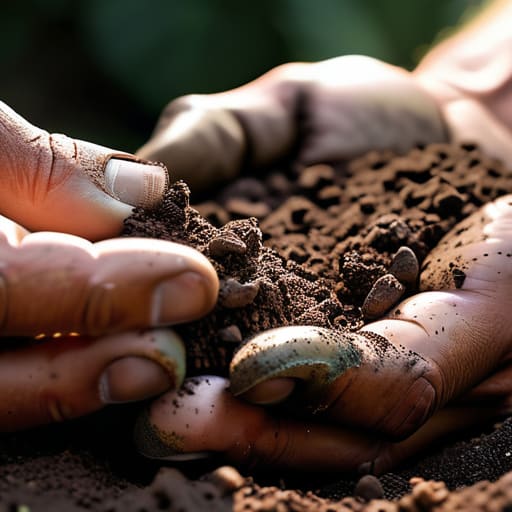
Think of your soil not just as dirt, but as the fundamental operating system of your garden. Just as I spent hours meticulously cleaning the internal circuitry of an old Sony Walkman to ensure the music flowed without static, you must treat vegetable garden soil preparation as the essential groundwork for a glitch-free growing season. If the substrate is corrupted by compaction or lack of nutrients, even the most robust seeds will struggle to execute their biological programming. I always recommend a deep, tactile investigation: squeeze a handful of moist earth; it should crumble like a fine sponge, not stick like heavy clay or fall apart like dry sand.
If you are working with limited space, leaning into raised bed gardening tips can feel much like upgrading from a dial-up connection to high-speed fiber. Raised beds offer a controlled environment where you can curate the exact nutrient profile your plants crave. By mixing high-quality compost with loamy soil, you are essentially installing a premium software update that allows for better drainage and aeration. This level of intentionality ensures that when you eventually select the best vegetables for beginners, like radishes or leafy greens, they have a stable, nutrient-rich interface to call home.
Selecting Your First Hardware Best Vegetables for Beginners
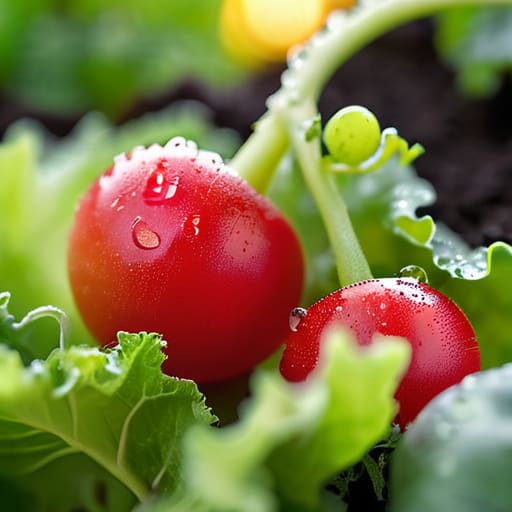
When I’m sorting through my collection of old Sony Walkmans, I’m always struck by how the most resilient hardware is often the simplest. Gardening follows a remarkably similar logic. If you try to run a high-fidelity digital symphony on a device meant for basic radio, you’re bound for frustration. The same goes for your first season; you want to select the best vegetables for beginners—those robust, “plug-and-play” varieties that don’t require constant troubleshooting. I always suggest starting with radishes, lettuce, or cherry tomatoes. They are the high-performance, reliable codecs of the plant world, offering quick feedback and a sense of immediate gratification that keeps your momentum going.
Think of your plant selection as choosing the right software for your specific ecosystem. Just as I wouldn’t try to run a heavy VR simulation on a 1998 pager, you shouldn’t tackle finicky heirloom crops before mastering the basics. Once you’ve stabilized your environment, you can start experimenting with more complex “updates,” like companion planting for vegetables to naturally deter pests. This creates a symbiotic network, much like the interconnected web of a well-designed digital interface, ensuring your little green patch thrives with minimal manual overrides.
Debugging the Growth Process: Five Pro-Tips for Your Living Interface
- Observe the Sunlight’s Algorithm: Before you plant a single seed, spend a few days tracking how the sun moves across your space. Just as I once spent hours trying to find the perfect signal for my old Sony Walkman, you need to ensure your garden’s “bandwidth” of light matches the specific requirements of your chosen vegetables.
- Practice Incremental Updates: Avoid the temptation to launch a massive, sprawling farm on day one. It’s much better to start with a few well-tended raised beds or even some smart containers—think of it as a beta test for your ecosystem—so you can troubleshoot issues without feeling overwhelmed by a system crash.
- Establish a Routine Maintenance Protocol: Gardening isn’t a “set it and forget it” software update; it requires consistent, mindful check-ins. Setting aside a specific time each morning to water and inspect your plants creates a rhythmic connection to the earth that no digital notification can replicate.
- Curate Your Toolset Wisely: You don’t need every high-tech gadget on the market to succeed, but investing in a few high-quality, ergonomic tools is essential. Much like my collection of vintage pagers, a good trowel or a sturdy pair of shears is a tactile extension of your intent, making the physical labor feel more like a dance and less like a chore.
- Embrace the Glitches: In digital anthropology, we study how systems fail and adapt; gardening is no different. A pest invasion or a sudden frost is simply a “bug” in the system. Instead of seeing it as a total failure, treat it as a data point to help you refine your approach for the next growing season.
Cultivating Your Own Living Interface
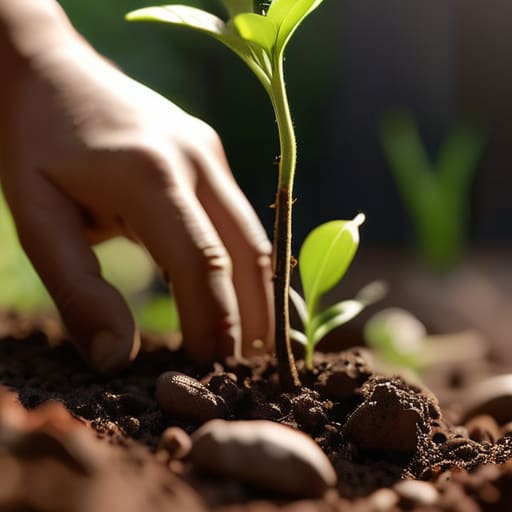
As we wrap up this initial foray into the world of soil and seeds, remember that you have already laid the groundwork for something profound. From decoding the complex chemistry of your substrate to selecting the right biological “hardware” for your specific microclimate, you have moved beyond being a mere consumer of the digital age. You have transitioned into a participant in a much older, much more tactile cycle. By preparing your soil with intention and choosing beginner-friendly crops that offer quick, rewarding feedback loops, you are essentially programming a living system that responds to your care in real-time.
There is a certain magic in watching a tiny seedling break through the earth, a sensation that no high-resolution VR installation could ever truly replicate. It reminds me of the tactile satisfaction of clicking a heavy, vintage power switch on an old film camera; it is a moment of unfiltered connection to the physical world. Gardening isn’t just about the harvest, though that is a delicious perk; it is about reclaiming a sense of rhythm that our hyper-connected lives often obscure. So, get your hands a little dirty, embrace the beautiful unpredictability of nature, and enjoy the slow, wonderful process of growing your own reality.