
Did you know that software development teams are 30% more productive when using the right developer tools? In today’s fast-paced tech landscape, streamlining development workflows is crucial for delivering high-quality products on time. As a professional developer, I’ve seen firsthand how the right tools can transform the development process.
The evolution of development tools has been remarkable, from simple debugging utilities to comprehensive suites that support the entire development lifecycle. With numerous categories of tools available, from browser-based utilities to standalone applications, getting started can be overwhelming. However, understanding the features and support offered by these tools is key to enhancing productivity and code quality.
Key Takeaways
- Discover the essential developer tools for modern web development and software creation.
- Learn how development tools have evolved to support the entire development lifecycle.
- Understand the different categories of tools available for developers.
- Explore the key benefits of using developer tools, including improved productivity and code quality.
- Get started with the right tools to enhance your development workflow.
Understanding Developer Tools and Their Importance
With the ever-evolving landscape of software development, understanding developer tools is more critical than ever. As a developer, you need to stay ahead of the curve by leveraging the right tools to enhance your productivity and code quality.
What Are Developer Tools?
Developer tools are specialized software designed to help programmers write, test, debug, and optimize their code more efficiently. These tools serve as the backbone of modern software development by providing essential functionality for code analysis and performance optimization.
Key Benefits for Developers
By utilizing developer tools, you can significantly improve your development workflow. These tools offer features like real-time error detection, debugging, and automated testing capabilities, which enable you to identify and resolve problems early in the development process. This not only enhances the overall quality of your code but also reduces the likelihood of costly fixes in production environments. Moreover, developer tools support security testing and vulnerability detection, which is crucial in today’s threat landscape.
Essential Browser Developer Tools
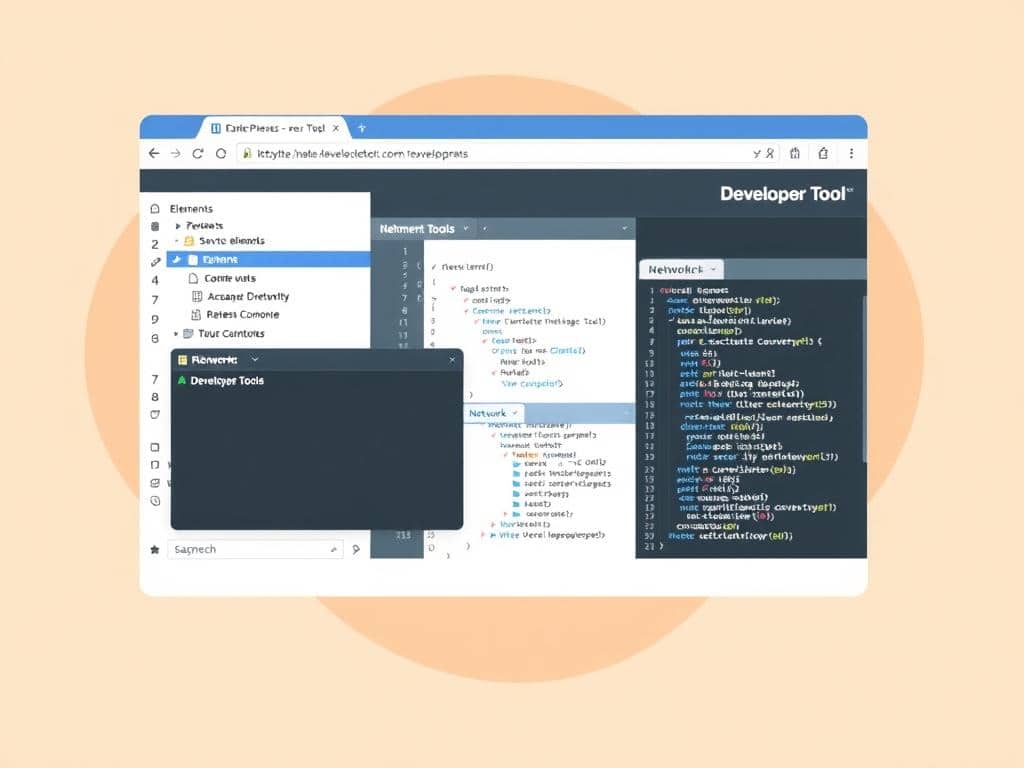
Every modern browser includes a robust set of developer tools that simplify the development process. These tools are crucial for inspecting and debugging web applications.
DOM Inspector and Elements Panel
The DOM Inspector allows developers to examine and manipulate the DOM in real-time, making it easier to understand page structure and troubleshoot layout issues. The Elements panel provides a visual representation of HTML elements and their associated CSS properties.
CSS Editor and Style Debugging
The CSS Editor enables on-the-fly style modifications, featuring tools like color pickers and box model visualization. This facilitates quick identification and resolution of styling conflicts, making it an indispensable tool for CSS debugging.
JavaScript Console and Debugging
The JavaScript Console serves as both an execution environment for testing JavaScript code snippets and a logging tool for debugging. It allows developers to run lines of JavaScript against the page currently loaded in the browser, reporting errors encountered during code execution.
How to Access and Use Developer Tools
The first step in leveraging developer tools is learning how to access and utilize them effectively. Whether you’re debugging a webpage or optimizing your code, understanding how to open and navigate these tools is crucial.
Keyboard Shortcuts Across Different Browsers
Using keyboard shortcuts is one of the quickest ways to access developer tools. For Windows, press Ctrl + Shift + I or F12. On macOS, use ⌘ + ⌥ + I. These shortcuts work across most modern browsers, including Chrome, Firefox, and Edge.
Opening and Navigating the Interface
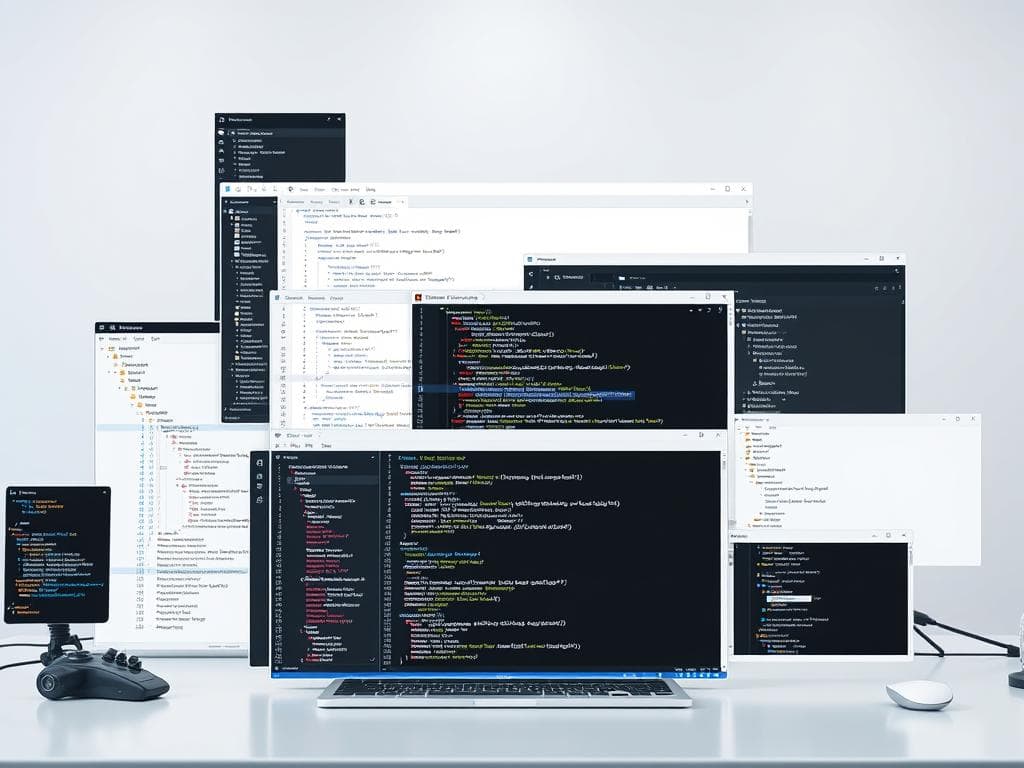
To open devtools via the menu, follow browser-specific paths. For Chrome, go to More tools > Developer tools. In Firefox, navigate to More tools > Web Developer Tools. Once open, the interface allows you to inspect elements, debug JavaScript, and analyze performance.
Setting Up Auto-Open for Development
For Chrome, you can run the browser from the command line with the –auto-open-devtools-for-tabs flag. This automatically opens devtools for new tabs, streamlining your development process. To do this, quit Chrome, open your terminal, and run the appropriate command for your operating system.
My Favorite Developer Tools for Productivity
Over the years, I’ve curated a selection of developer tools that have greatly enhanced my development workflow. These tools span various categories, from code quality and testing to version control and automation.
Code Quality and Testing Tools
Tools like linters and formatters help maintain consistent coding standards. Static analysis tools identify potential issues before they cause problems, ensuring code reliability and reducing errors.
Version Control and Collaboration Tools
Version control systems like Git facilitate collaboration among development teams. Platforms like GitHub and GitLab provide a safety net for code changes and enhance team communication.
Automation and CI/CD Tools
Automation tools streamline repetitive tasks, from build processes to deployment pipelines. CI/CD tools enable frequent code integration, automated testing, and seamless deployment to production environments, improving development efficiency and security.
Getting Started with Developer Tools Today
Getting started with developer tools can significantly enhance your development workflow. To begin, focus on the most essential tools that can be integrated into your daily tasks. Start with browser-based tools, such as the DOM inspector and JavaScript console, to debug and optimize your web applications.
As you progress, explore more specialized tools for code quality, version control, and automation. Practice is key; try debugging a simple JavaScript application or optimizing CSS to reinforce your skills. You can also customize these tools to match your workflow and preferences for maximum productivity.
To stay updated with the latest features and best practices, refer to documentation, blogs, and community resources. Some recommended resources include tutorials and courses that focus on developer tools and their applications. By starting small and being consistent, you can gradually expand your toolkit and become proficient in using developer tools to support your development needs.
With consistent practice and a willingness to learn, you’ll be able to get started with confidence and take your development skills to the next level. By leveraging the right tools and resources, you can improve your overall development efficiency and deliver high-quality results.