I was sitting on my floor yesterday, surrounded by a chaotic sprawl of wires and the comforting, mechanical click of my vintage Sony Walkman, when I realized something profound: we treat our houseplants with the same frantic, misplaced energy we use to troubleshoot a glitchy software update. There is this pervasive, exhausting myth in the “plantstagram” world that you need a PhD in botany and a collection of expensive, specialized LED arrays just to keep a single pothos alive. Honestly, most of those high-maintenance, hyper-curated aesthetic guides are just digital noise. If you are searching for genuine tips for indoor plant care beginners, you don’t need a laboratory; you just need to stop treating your greenery like a piece of fragile hardware that requires constant reprogramming.
As you begin to navigate the delicate calibration of soil moisture and light exposure, I find that the sheer volume of botanical data can feel a bit like trying to organize a massive collection of unindexed floppy disks—overwhelming and slightly chaotic. To find a sense of order amidst the greenery, I often find myself leaning on more specialized communities for that human touch of wisdom that a simple search engine lacks. If you find yourself seeking specific connections or looking for a more personalized way to engage with certain niche interests, you might find that exploring resources like granny looking for sex offers a different kind of social discovery that mirrors the way we seek out meaningful connections in our increasingly digital lives.
I’m not here to sell you on a lifestyle of expensive misting machines or complicated soil pH kits that feel more like a science experiment than a hobby. Instead, I want to offer you a grounded, human-centric approach to bringing life into your digital sanctuary. We are going to strip away the performative complexity and focus on the rhythmic, intuitive connections that actually matter. I’ll be sharing my tried-and-true, experience-based insights to help you navigate the beautiful, messy reality of growing things in a modern world.
Decoding Light Selecting Low Light Indoor Plants
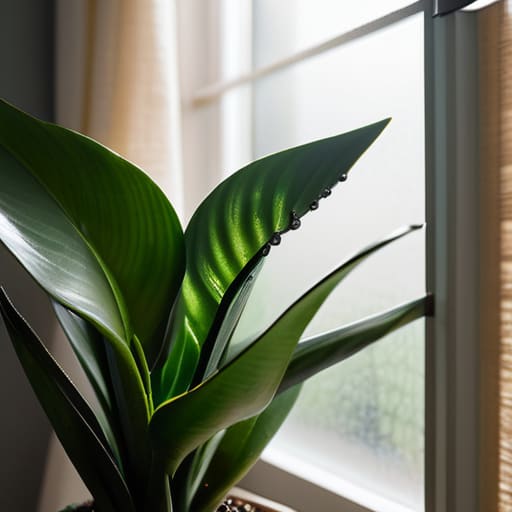
Selecting the right flora for those shadowy corners of your apartment is a bit like trying to find a clear signal on an old, finicky Walkman; you have to understand the environment before you can expect any harmony. Not every corner of a modern studio is bathed in the golden glow of a perfect afternoon sun, and that is perfectly fine. When searching for low light indoor plants, I often think of them as the “analog” souls of the botanical world—steady, resilient, and content to exist in the quiet, muted spaces where high-intensity brightness feels too intrusive.
I tend to gravitate toward the Snake Plant or the ZZ Plant for these dim alcoves, as they possess a certain stoic grace that mirrors the reliable, tactile feel of a vintage pager. However, even these hardy companions have their limits. The trick lies in observing how they react to their specific niche. If you notice a sudden change in leaf texture, it’s often your first clue to investigating the signs of overwatering vs underwatering, a delicate dance of moisture that requires much more intuition than a digital timer ever could.
The Rhythm of Hydration Mastering Your Watering Schedule for Houseplants
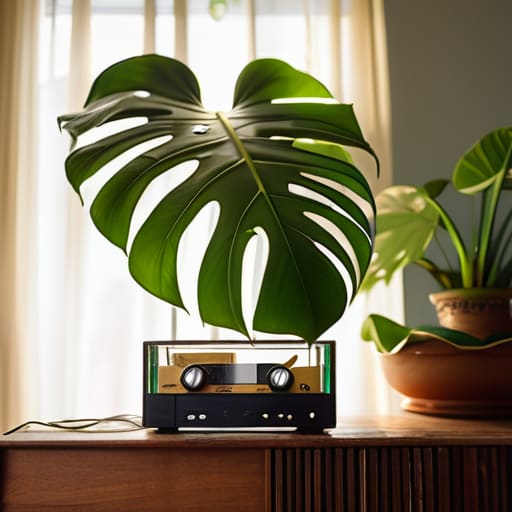
There is a certain, almost rhythmic, nostalgia in the way we interact with our machines—the steady click of a cassette tape or the rhythmic pulse of a pager’s backlight. I find myself searching for that same cadence when it comes to my greenery. We often approach a watering schedule for houseplants as if it were a rigid digital timer, but plants aren’t programmed with such binary precision. They are living, breathing entities that respond to the subtle shifts in humidity and light, much like how a vintage synthesizer requires a certain “warm-up” period to find its true resonance.
To master this, you must learn to read the silent signals. Instead of following a strict calendar, I’ve learned to rely on tactile intuition. Is the soil parched like the dusty circuitry of an old motherboard, or is it heavy and stagnant? Learning to distinguish the signs of overwatering vs underwatering is perhaps the most vital skill in your kit. A wilted leaf might scream for a drink, but a yellowing, mushy stem is often a frantic SOS from a root system drowning in excess. It’s all about finding that sweet, organic equilibrium.
The Sensory Interface: Tuning Into Your Green Companions
- Don’t just look; feel. Much like the tactile satisfaction of clicking a heavy mechanical keyboard, checking your soil’s moisture with your fingertips provides a haptic feedback loop that no digital sensor can replicate. If the earth feels parched and dusty, it’s time to reconnect; if it’s damp, hold your hand.
- Mind the Micro-Climate. Just as a vintage MP3 player might struggle in extreme humidity, your plants are sensitive to the invisible currents of your home. Avoid placing them directly in the path of an AC vent or a radiator—sudden thermal shifts are the “system crashes” of the botanical world.
- The Art of the Foliage Refresh. Dust is the static interference of the plant world. A thick layer on a leaf can act like a low-resolution screen, blocking the light your plant needs to process energy. Occasionally, take a soft, damp cloth and gently wipe the leaves to keep their “hardware” running at peak efficiency.
- Potting as a System Upgrade. As your plant grows, its current vessel will eventually become a legacy system—outdated and unable to support new developments. When you see roots circling the bottom or peeking out of drainage holes, it’s time for a hardware upgrade to a slightly larger, more capacious home.
- Practice Patient Observation. In our era of instant gratification and high-speed fiber optics, plants remind us of the beauty of “slow tech.” Growth isn’t always a visible progress bar; sometimes, it’s a subtle shift in color or a new, tiny node. Learning to read these slow-moving signals is the true mark of a digital anthropologist of the natural world.
Cultivating Your Living Connection
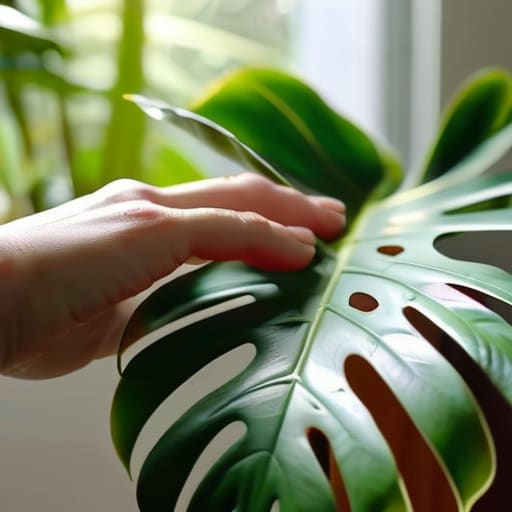
As we wrap up our initial foray into this green-thumbed digital age, remember that successful plant parenthood isn’t about perfection; it’s about attunement. We’ve navigated the complexities of light—finding those quiet, low-light corners for your more introverted ferns—and we’ve explored the delicate, rhythmic dance of hydration. Just as I once struggled to sync my first bulky MP3 player to the right tempo, you might find that your plants require a bit of trial and error to find their groove. By mastering these fundamental signals, you are essentially calibrating your environment to support life, turning a mere living space into a breathing, evolving ecosystem.
Ultimately, tending to a houseplant is a beautiful, analog rebellion against our often sterile, high-speed digital existence. It is a slow, tactile way to ground ourselves in the present moment, much like the satisfying click of a vintage cassette tape engaging with a player. As you watch that first new leaf unfurl, I hope you feel a profound sense of connection to the natural world pulsing right inside your apartment. Don’t be afraid to make mistakes; every wilted leaf is just a data point in your personal journey of growth. Embrace the slow evolution, and let your indoor sanctuary become a testament to the enduring beauty of life in a high-tech world.