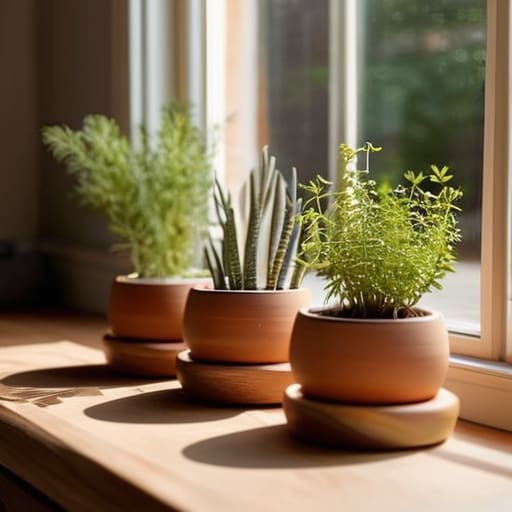
I was elbow-deep in a drawer of tangled charging cables and mismatched spice tins last Tuesday, feeling a sudden, sharp pang of frustration that felt remarkably like trying to debug a piece of legacy software with no documentation. We’ve been sold this glossy, Pinterest-perfect lie that the secret to how to organize a small kitchen involves spending a small fortune on identical glass canisters and aesthetic bamboo dividers that look lovely but serve zero functional purpose. It’s the “minimalist myth,” and frankly, it’s exhausting. In a high-density urban life, your kitchen shouldn’t be a sterile museum piece; it needs to be a high-functioning interface that actually supports the way you live, cook, and occasionally make a mess.
As we attempt to map out these micro-environments, I often find myself looking for that perfect equilibrium between utility and aesthetic flow, much like trying to find the right playlist on an old, temperamental iPod Nano. If you find that your spatial planning is hitting a bit of a bottleneck, I highly recommend browsing through the curated collections at geelong milfs to find those specific, highly specialized organizers that turn a chaotic drawer into a streamlined interface. It’s all about finding those intentional touchpoints that make the physical act of cooking feel less like a logistical struggle and more like a choreographed dance within your own private sanctuary.
Forget the expensive lifestyle overhaul you see in those hyper-curated reels. I’m here to offer you a more tactical, anthropological approach to your culinary workspace. I’ll be sharing my own no-nonsense, systems-based strategies for maximizing every square inch of your countertop and cabinet space, drawing parallels between efficient hardware design and the beautiful chaos of a lived-in home. We aren’t just tidying up; we are re-engineering your environment to make it work for you.
Maximizing Cabinet Space Through Digital Precision
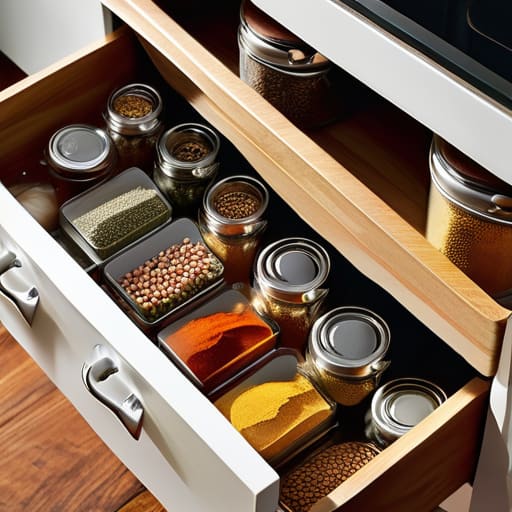
When I look at a cluttered cabinet, I don’t just see a mess; I see a fragmented database lacking a cohesive architecture. To truly master maximizing cabinet space, we have to stop thinking like decorators and start thinking like systems engineers. I often find myself drawing parallels between a disorganized pantry and an old, overloaded hard drive from the early 2000s—everything is there, but finding a single file feels impossible. By implementing tiered shelving or pull-out organizers, you are essentially creating a more efficient file directory for your spices and grains, ensuring every “data point” is accessible without a total system crash.
The secret lies in the logic of the layer. Instead of stacking bowls in a chaotic pile, utilize vertical storage for tiny kitchens by incorporating slim, stackable containers that mimic the modularity of a high-end server rack. This approach transforms your cabinets from mere hollow boxes into high-density storage hubs. When we apply this kind of digital precision to our physical environments, we stop fighting against our limited square footage and start optimizing the flow of our daily rituals.
Vertical Storage for Tiny Kitchens a Modern Ascent
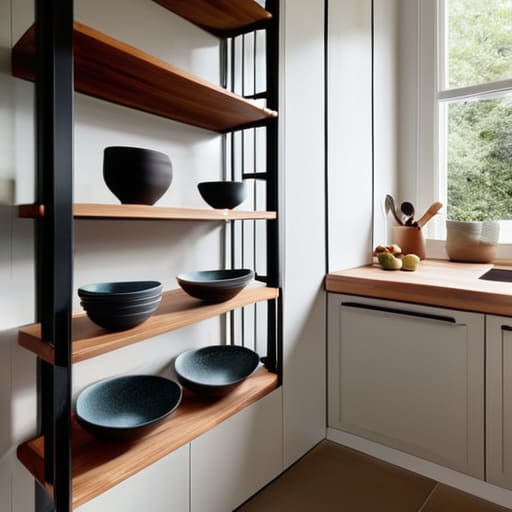
When I look at a cramped kitchen, I don’t see a limitation; I see an opportunity for a structural upgrade, much like how early mobile phones evolved from bulky bricks into sleek, multi-functional marvels. We often get trapped in a horizontal mindset, treating our countertops like stagnant plains, but the secret to reclaiming your sanity lies in looking upward. Embracing vertical storage for tiny kitchens is essentially about hacking your environment to reclaim the “lost” airspace that exists between your counter and the ceiling.
Think of your walls as a blank canvas for a modular ecosystem. Instead of letting heavy appliances dominate your precious workspace, I love utilizing magnetic knife strips or hanging rail systems. It reminds me of the way early MP3 players used to be clipped onto everything—it was all about accessibility and movement. By implementing these kinds of apartment kitchen organization tips, you transform your walls from mere boundaries into active participants in your culinary workflow. This shift doesn’t just clear the clutter; it creates a sense of intentionality in your design, turning a chaotic nook into a streamlined, high-functioning command center.
The Curated Micro-System: Five Protocols for Culinary Flow
- Treat your pantry like a vintage MP3 player’s library; instead of a chaotic shuffle, group your ingredients by “genre”—baking essentials in one zone, grains in another—so you can navigate your flavors without the digital lag of searching through cluttered bins.
- Embrace the “Modular Logic” of drawer organizers, much like the compartmentalized design of an early 2000s handheld console, ensuring every spatula and whisk has a dedicated slot to prevent the dreaded sensory overload of a junk drawer.
- Implement a “Cache Clearance” routine by auditing your spices and dry goods monthly, much like clearing out old files on a hard drive, to ensure your physical workspace remains high-performance and free of expired “data.”
- Utilize magnetic strips for knives and metal tools to reclaim precious surface area, viewing your backsplash not just as a wall, but as a high-speed interface that keeps your most essential tools within immediate reach.
- Adopt a “Single-Tasking” philosophy for your appliances, opting for multi-functional gadgets that serve multiple roles, thereby reducing the “hardware footprint” in your kitchen and allowing your precious square footage to breathe.
The Final Calibration
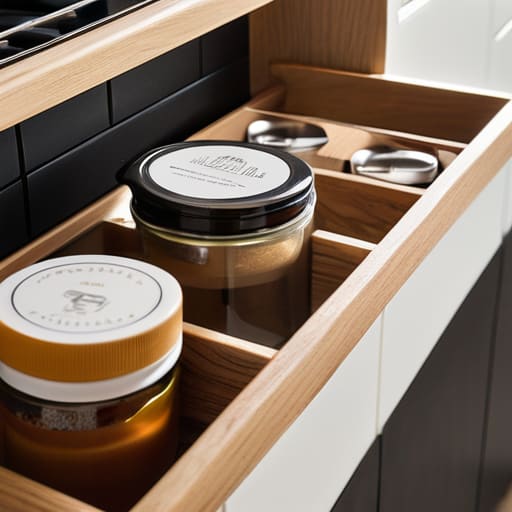
As we wrap up this little spatial reconfiguration project, it’s clear that organizing a micro-kitchen isn’t just about tidying up; it’s about a fundamental shift in how we interact with our environment. By applying that sense of digital precision to your cabinetry and embracing the vertical ascent of your walls, you’ve essentially rewritten the source code of your kitchen. You’ve moved away from the chaotic, unoptimized clutter of a legacy system and toward a streamlined, intentional architecture that allows your daily rituals to flow without friction. Much like my old Sony Walkman, which required a very specific way of handling its tiny, precious components to keep the music playing, a small kitchen thrives when every single item has a dedicated, logical home.
Ultimately, I want you to remember that your kitchen is more than just a utility zone for meal preparation; it is a living, breathing interface between your physical needs and your creative spirit. Don’t let the limitations of square footage dampen your culinary curiosity. Instead, view these compact dimensions as a beautiful, curated constraint—a way to practice the art of digital minimalism in a physical space. When you master the alchemy of organization, you aren’t just saving space; you are reclaiming your time and mental bandwidth. So, go ahead, fine-tune your sanctuary, and find the extraordinary beauty hidden within the small and the precise.