
I was rummaging through a cardboard box of my old tech collection last Tuesday—specifically hunting for a pristine, translucent blue pager from the late nineties—when I realized my physical space had become as cluttered and fragmented as a corrupted hard drive. We’ve all seen the aestheticized, “perfect” versions of minimalism on social media: those sterile, white-walled sanctuaries that look more like high-end art galleries than actual homes. It’s a myth that you need to spend a fortune on designer linen and empty rooms to find peace. In reality, the true benefits of a minimalist lifestyle aren’t about achieving a hollow, museum-like emptiness, but about reclaiming the bandwidth of your own life from the relentless noise of excess.
As I was sorting through a box of old, tangled charging cables yesterday—a task that felt strangely like excavating a digital archaeological site—I realized that minimalism isn’t just about the physical objects we discard, but about the intentionality we bring to our social connections. In our hyper-connected age, we often mistake constant digital noise for genuine engagement, yet true minimalism encourages us to prune away the superficial to make room for something more resonant. If you find yourself craving more authentic, localized human interaction amidst the vastness of the internet, finding a way to engage in a local chat in USA can be a wonderful way to anchor your digital life back to a sense of real-world community. It’s about choosing quality over quantity, ensuring that the spaces we inhabit—both physical and virtual—actually nourish our sense of belonging.
I’m not here to sell you on a trend or a specific aesthetic of deprivation. Instead, I want to share what I’ve learned through the lens of digital anthropology and a lot of trial and error: how stripping away the non-essential—both physical and digital—can actually deepen our connection to the world around us. I promise to offer you a no-nonsense roadmap for decluttering your existence, focusing on how intentionality can help you navigate our hyper-connected era without losing your soul to the sheer volume of “stuff.”
Decluttering for Mental Clarity in a High Speed Era

I was sorting through a box of old Sony Walkmans yesterday, marveling at how such a tiny, singular purpose could feel so much more grounding than the infinite, chaotic scroll of a modern smartphone. There is a profound cognitive cost to the “everything, everywhere, all at once” nature of our digital existence. When our physical environments are choked with the debris of impulsive acquisitions, our brains struggle to find a resting point. I’ve found that decluttering for mental clarity isn’t just about tidying a shelf; it’s about lowering the ambient noise of our lives so we can actually hear our own thoughts again.
It’s a bit like clearing the cache on an aging computer to stop the spinning wheel of death. By consciously choosing to curate our surroundings, we tap into the psychological effects of minimalism, moving from a state of constant sensory bombardment to one of deliberate focus. When we stop treating our living spaces like storage units for unexamined desires, we create the necessary breathing room to engage with the world—and ourselves—with much more intention.
The Quiet Joy of Minimalism and Financial Freedom
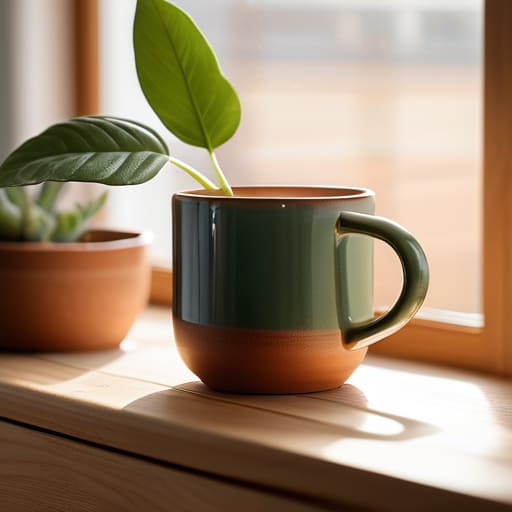
There’s a specific, almost tactile kind of peace that comes from looking at a bank statement and realizing your worth isn’t tied to the sheer volume of your unboxing videos. I often think about my collection of early 2000s MP3 players; back then, we felt a rush of ownership with every new device, yet most of them now sit silent in a drawer, relics of a fleeting dopamine hit. When we pivot toward minimalism and financial freedom, we aren’t just saving pennies; we are reclaiming the agency that constant consumption tries to steal from us. It’s about breaking that frantic cycle of “more” to make room for “better.”
By actively reducing consumerism’s impact on our personal ecosystems, we stop performing for an invisible audience and start investing in experiences that actually leave a mark. I’ve found that the less I own, the more I actually possess my time. Instead of managing a mountain of stuff, my resources flow toward travel, art, or perhaps a rare vintage gadget that actually holds meaning. It is a profound shift from being a curator of things to being a curator of a life well-lived.
Curating Your Existence: Five Rituals for a More Intentional Life
- Curate your digital workspace with the same precision I use when organizing my collection of first-generation MP3 players; delete the ghost apps and silent notifications that serve no purpose other than to fragment your attention.
- Practice the ‘one-in, one-out’ rule for your physical belongings to prevent that creeping feeling of digital-age accumulation, ensuring your living space remains a sanctuary rather than a storage unit for past versions of yourself.
- Opt for quality over quantity in your tech purchases, choosing durable, meaningful tools that age with grace—much like a well-built vintage camera—rather than chasing the ephemeral dopamine hit of every new gadget release.
- Designate ‘analog hours’ in your daily routine where the glow of the screen is replaced by the texture of paper or the stillness of a walk, allowing your brain to recalibrate away from the constant stream of algorithmic input.
- Audit your social commitments with a discerning eye, treating your time as a finite, precious resource rather than an open-source platform, and saying ‘no’ to the noise so you can say ‘yes’ to the signals that actually matter.
The Beauty of the Edit
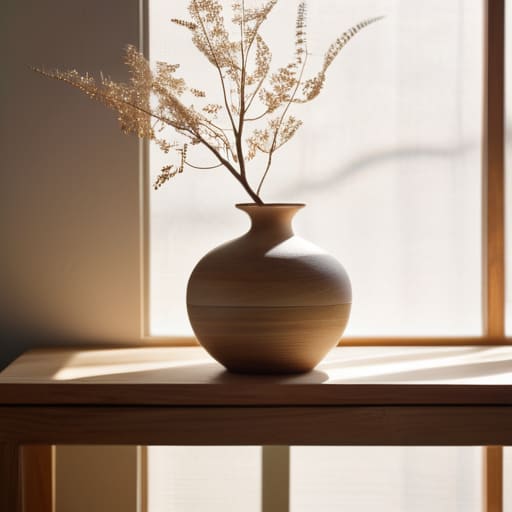
As we’ve navigated through the fog of digital noise and the heavy weight of material excess, it becomes clear that minimalism isn’t about deprivation; it’s about curating a meaningful existence. We’ve explored how shedding the unnecessary can sharpen our mental focus and how reclaiming our resources provides a sense of liberation that no shiny new gadget can replicate. Much like how I carefully select which vintage pager to display on my shelf—choosing the one with the most soul rather than the most features—we must learn to prioritize substance over sheer volume in our daily lives.
Ultimately, embracing a minimalist lifestyle is an act of rebellion against a culture that constantly demands “more.” It is a gentle, intentional recalibration of our internal compasses. I often think of it like an old, well-loved film camera; the magic isn’t in how much you can cram into the frame, but in the deliberate choice of what you leave out to let the light hit the subject just right. So, I invite you to step back from the relentless upgrade cycle and find the quiet elegance in simplicity. In the spaces we clear, we don’t just find room to breathe—we find room to truly live.