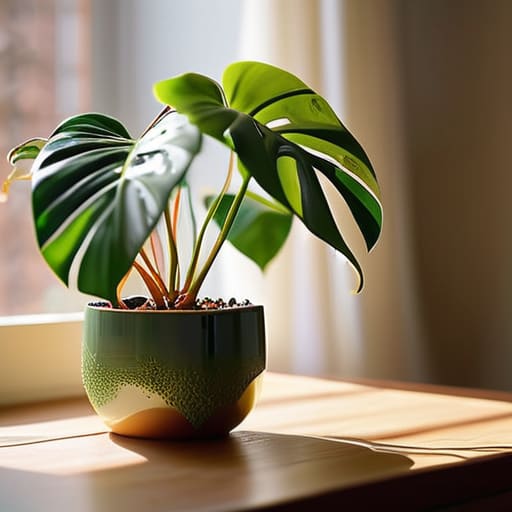
I was sitting on my floor last Tuesday, surrounded by the skeletal remains of a once-vibrant Monstera and a pile of discarded, overpriced “smart” soil sensors, when it hit me: we’ve turned living things into complicated gadgets. There is this pervasive, exhausting myth in the plant community that you need a PhD in botany or a suite of high-tech monitoring tools to keep a simple fern alive. Honestly, searching for a beginner guide to indoor plant care shouldn’t feel like you’re trying to debug a legacy operating system from 1998. We’ve over-engineered the joy right out of the dirt, replacing intuition with a frantic need for perfectly calibrated environments that simply don’t exist in a real home.
As you begin to master the delicate rhythm of your home’s micro-ecosystem, you might find that the most profound insights come from seeking out more specialized, real-time connections and communities. Much like how I once spent hours scouring old forums to find the specific driver for a 1998 MP3 player, finding a reliable space to exchange ideas can make all the difference in your growth journey. If you’re looking for a way to broaden your digital horizons and engage in more nuanced, direct interactions, exploring isexchat online can offer a unique way to navigate new social landscapes and find those unexpected sparks of human connection that keep our modern lives feeling vibrant and deeply intertwined.
I’m not here to sell you on expensive misting machines or aesthetic ceramic pots that lack drainage. Instead, I want to offer a way to view your greenery as a living interface—one that requires observation rather than constant, frantic troubleshooting. This isn’t a lecture; it’s a no-nonsense roadmap designed to help you decode the subtle signals your plants are sending. I promise to share only the practical, tactile rhythms that actually work, helping you bridge the gap between your digital lifestyle and the quiet, grounding reality of a thriving indoor garden.
Decoding Low Light Indoor Plants and Vitality
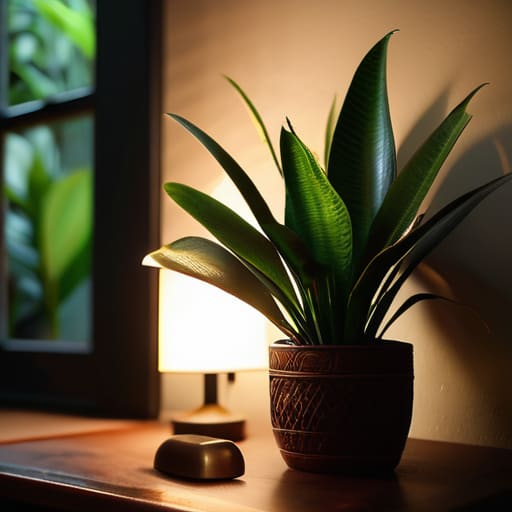
Not all corners of our living spaces are bathed in the golden glow of a perfect afternoon; some, like the quiet alcoves of a dimly lit study, feel more like the shadowed pixels of an old CRT monitor. If you find yourself living in one of these more muted environments, don’t despair. Selecting the right low light indoor plants—think the resilient Snake Plant or the elegant ZZ Plant—is much like choosing a reliable, analog backup drive; they are built to endure when the primary power source flickers. These botanical companions don’t demand constant solar input to maintain their structural integrity, making them the perfect low-maintenance interface for urban dwellers.
However, vitality in the shadows requires a different kind of calibration. Because light is a limited resource, the evaporation rate in these dim zones slows down significantly, which means your watering schedule for houseplants must become much more intentional and less frequent. It is easy to over-index on affection and drown them, much like how an old MP3 player might fail if left to charge indefinitely. Instead, treat the soil like a delicate sensor: wait until the top inch feels dry to the touch before introducing more moisture, ensuring you aren’t accidentally creating a swampy, stagnant environment.
Calibrating Your Watering Schedule for Houseplants
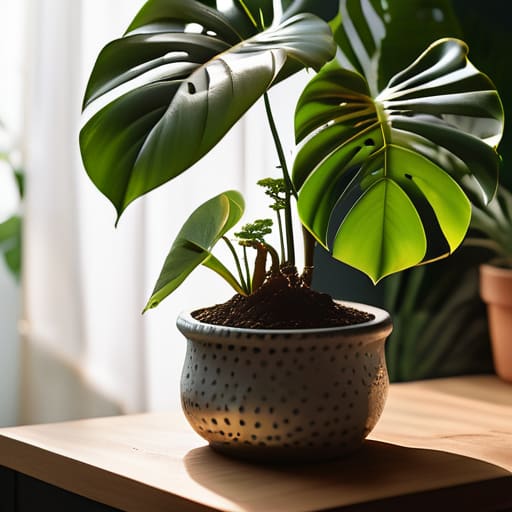
Finding the rhythm of a consistent watering schedule for houseplants feels remarkably similar to the meticulous process of syncing a collection of vintage Casio digital watches; it’s less about a rigid, programmed command and more about understanding the unique internal clock of each individual unit. You can’t simply apply a universal software update to every living thing in your room. While some species thrive on a steady, rhythmic deluge, others prefer a more sporadic, “glitchy” approach to hydration. I’ve found that the most reliable way to avoid the dreaded “system crash” of root rot is to stop relying on a calendar and start relying on your senses.
Before you reach for the watering can, I recommend a quick tactile diagnostic. Stick your finger an inch or two into the substrate to check the moisture levels; if it feels as parched as a discarded floppy disk, it’s time to hydrate. It’s also worth noting that your indoor plant soil requirements play a massive role here—a gritty, well-draining mix will act as a buffer, preventing the stagnant pooling that often leads to disaster. Much like managing the battery life of an old MP3 player, it’s all about anticipating the depletion before the system goes dark.
Optimizing Your Domestic Ecosystem: Five Protocols for Plant Longevity
- Curating the Right Hardware: Just as I wouldn’t try to run a high-def VR simulation on a 1998 Palm Pilot, you shouldn’t force a sun-loving succulent into a shadowy corner; match your plant’s biological “specs” to your home’s actual light availability.
- The Sensory Interface: Instead of relying on a rigid, algorithmic watering schedule, develop a tactile feedback loop by checking the soil moisture with your finger—it’s much more reliable than any automated sensor.
- Nutrient Patch Updates: Think of fertilizer as a software update for your greenery; providing organic nutrients during the growing season ensures your plants have the necessary data packets to build strong stems and vibrant leaves.
- Managing Environmental Latency: Drastic shifts in humidity or temperature can cause a “system crash” for tropical plants, so try to keep your leafy companions away from the unpredictable drafts of AC vents or heating units.
- Routine System Maintenance: Don’t neglect the physical upkeep; wiping dust off leaves is like cleaning a camera lens—it ensures the plant can effectively “process” light through photosynthesis without any visual interference.
Cultivating Your Own Living Ecosystem
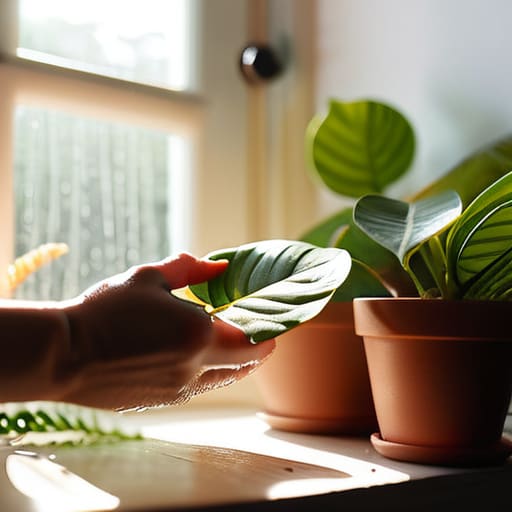
As we wrap up this initial calibration of your indoor garden, remember that success isn’t about achieving a flawless, sterile aesthetic. It’s about understanding the unique rhythms of life within your space—from selecting the right low-light companions to mastering the delicate, almost intuitive art of hydration. Much like trying to sync a collection of vintage MP3 players to a single digital library, there is a learning curve involved in getting all these moving parts to harmonize. By paying attention to the subtle cues your plants provide, you are essentially programming a living interface that responds to your care and environmental variables.
Ultimately, nurturing these green inhabitants is a beautiful exercise in presence. In a world that often feels increasingly ephemeral and hyper-digital, tending to a physical, breathing organism offers a grounding tether to the tangible world. I invite you to view your houseplants not just as decor, but as quiet collaborators in your daily ritual of mindfulness. As you watch that first new leaf unfurl, you’ll realize that you aren’t just maintaining a hobby; you are fostering a meaningful connection between your modern lifestyle and the ancient, persistent pulse of the natural world.