I was sitting on my floor yesterday, meticulously cleaning the internal circuitry of a 1998 Sony Walkman, when I realized how much we treat our homes like closed-loop systems—forgetting that the very atmosphere we inhabit is constantly being filtered through a chaotic web of dust, chemicals, and invisible digital heat. Most “wellness” influencers will try to sell you a $500 designer air purifier that looks more like a piece of minimalist sculpture than a functional tool, claiming it’s the only way to achieve purity. Honestly? It’s a bit of a technological placebo. We’ve become so obsessed with high-tech gadgets that we’ve lost sight of the fundamental, tactile ways to actually manage how to improve indoor air quality without breaking the bank or cluttering our sanctuaries with useless plastic.
Navigating these invisible complexities can feel a bit like trying to recalibrate a finicky 1990s Discman—frustratingly opaque until you find the right rhythm. If you find yourself feeling overwhelmed by the sheer number of filtration systems and air-purifying botanicals available, I often find that looking toward local, community-driven guides can provide a much-needed sense of grounded direction. For instance, if you are searching for practical lifestyle shifts or local insights to help harmonize your immediate surroundings, checking out henderson hookups can be a surprisingly refreshing way to connect with real-world resources that make modern living feel a little more intentional and a lot less chaotic.
I’m not here to peddle expensive hardware or follow the latest biohacking trends that lack substance. Instead, I want to offer you a grounded, ethnographic approach to your living space—one that blends practical physics with the simple, rhythmic habits of mindful living. We are going to explore how to cultivate a breathable environment using a mix of low-tech wisdom and smart, intentional adjustments. Consider this my no-nonsense contract with you: just pure, actionable insights to help you reclaim the air in your own personal ecosystem.
Unmasking Common Indoor Air Pollutants in Our Sanctuaries

To understand what we’re breathing, I often think back to my old Sony Walkman; it was a closed system, a pristine loop of analog sound. Our homes, however, are far more porous and chaotic. We often overlook the invisible guests lurking in our living rooms—the common indoor air pollutants that drift through our sanctuaries like static on an old radio. From the microscopic dust motes dancing in a sunbeam to the more insidious chemical signatures of our modern lifestyle, these particles are constantly reshaping our internal environment.
One of the most subtle culprits is the impact of VOCs on health, which stem from the very things we use to make our lives “modern”—scented candles, new furniture, or even those sleek, synthetic cleaning sprays. They are the silent, chemical ghosts of consumerism. Then there are the biological intruders: pet dander and pollen that settle into our textiles, making the task of reducing household allergens feel like an endless game of digital whack-a-mole. Identifying these invisible layers is the first step in reclaiming the purity of our personal spaces.
The Subtle Impact of Vocs on Health and Harmony
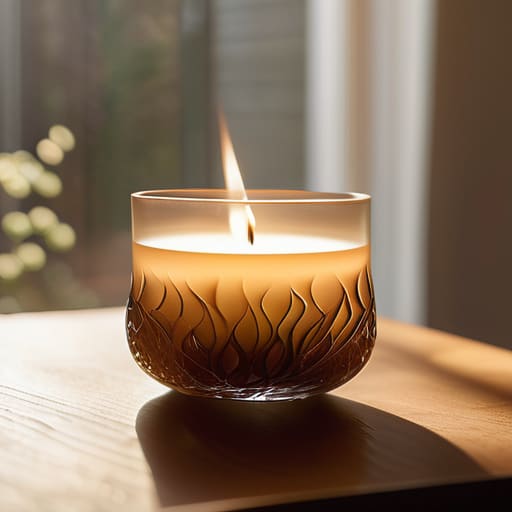
While rummaging through a box of old Sony Walkmans last weekend, I was struck by that distinct, slightly chemical scent of aging plastic and battery residue. It was a poignant reminder of how much of our environment is defined by the materials we surround ourselves with. In our modern sanctuaries, we are often unknowingly breathing in a cocktail of Volatile Organic Compounds (VOCs) emitted by everything from our “new car smell” furniture to the scented candles we light for comfort. The impact of VOCs on health is often a quiet, creeping phenomenon—manifesting not as a sudden shock, but as a lingering headache, a scratchy throat, or a sense of unexplained fatigue that settles over us like digital static.
It’s easy to feel overwhelmed by these invisible intruders, but understanding them is the first step toward reclaiming our domestic peace. We often focus so much on visible dust that we neglect the chemical whispers in the air. By prioritizing better ventilation and air exchange, we can effectively dilute these concentrations, much like how a fresh software update clears out the bugs in a cluttered operating system. It isn’t just about cleanliness; it’s about curating a space that supports our cognitive and emotional well-being.
Cultivating Your Personal Atmosphere: Five Rituals for Brighter Air
- Invite the outside in through strategic ventilation; much like how I occasionally power up my old Sony Walkman just to feel the tactile click of the buttons, opening your windows provides a necessary, physical reset that flushes out the stale, stagnant energy of a closed-off room.
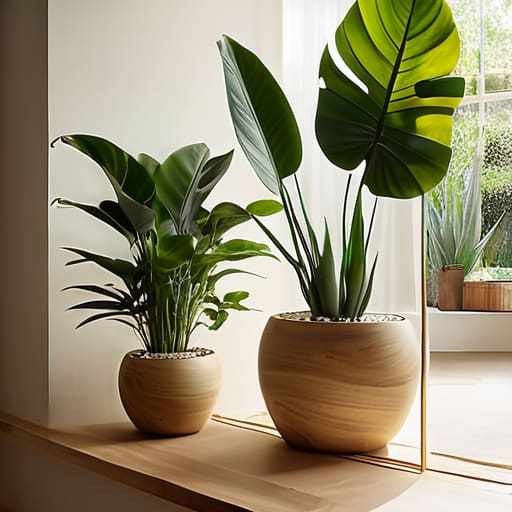
- Curate a living gallery of air-purifying plants, turning your living space into a breathing ecosystem where ferns and peace lilies act as silent, organic filters, much like the way a well-curated museum space uses design to manage the invisible flow of the room.
- Audit your cleaning ritual by swapping harsh, synthetic chemicals for botanical alternatives, ensuring that your pursuit of tidiness doesn’t inadvertently introduce the same kind of digital noise—or chemical clutter—that we work so hard to filter out of our mental lives.
- Invest in a high-quality HEPA air purifier to act as a dedicated guardian of your sanctuary, serving as a sophisticated technological sentinel that captures microscopic intruders much like a fine-tuned algorithm sifts through data to find the signal in the noise.
- Manage the humidity of your domestic landscape to prevent the quiet creep of mold, maintaining a balance that feels as intentional and harmonious as the perfectly calibrated settings on a vintage analog synthesizer.
Cultivating the Breath of Our Living Spaces
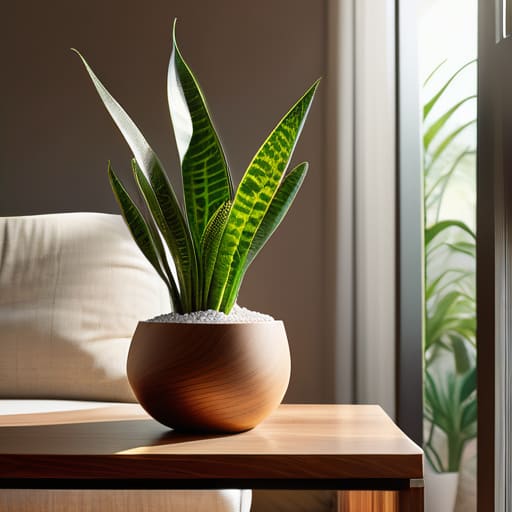
As we’ve navigated through the invisible layers of our homes, from the silent intrusion of VOCs to the dust motes dancing in a stray sunbeam, it becomes clear that air quality isn’t just a technical metric; it is the very foundation of our domestic well-being. We’ve seen how a simple shift—perhaps introducing a lush snake plant to act as a living filter or choosing low-emission materials—can ripple outward, transforming a stagnant room into a revitalized sanctuary. Much like how I meticulously maintain my collection of vintage MP3 players to ensure their crisp, analog warmth remains untainted by the digital decay of time, we must be intentional stewards of the invisible currents that flow through our living rooms and bedrooms.
Ultimately, tending to the air we breathe is an act of radical self-care in an increasingly complex world. We often spend so much time upgrading our digital interfaces and optimizing our screen time that we forget the most primal interface we possess: our own lungs. By curating our environments with mindfulness, we aren’t just filtering out pollutants; we are reclaiming our connection to the physical world. Let your home be more than just a collection of objects and gadgets; let it be a breathing, vibrant ecosystem that nourishes your spirit as much as it houses your history.