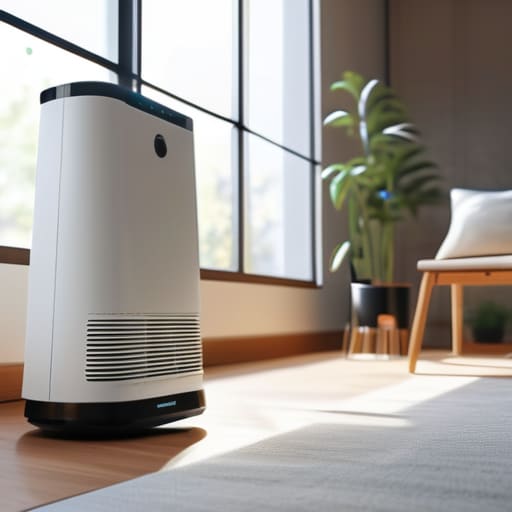
I was digging through a box of my old Sony Walkmans last weekend when I realized how much we obsess over the aesthetic of our surroundings while completely ignoring the invisible. We spend hundreds of dollars on sleek, smart air purifiers that look like minimalist sculptures, yet we often fall for the marketing trap of believing a single gadget can solve everything. It’s frustrating how the industry tries to sell us high-tech panaceas for what is essentially a fundamental need for balance. We search for complex, expensive ways to improve indoor air quality, but we often overlook the simple, tactile shifts that actually make a difference in how our living spaces feel.
I’m not here to sell you on a proprietary filter or a subscription-based sensor that pings your phone every time a dust mote drifts by. Instead, I want to share a more grounded, human approach to reclaiming your home’s atmosphere. Drawing from my background in digital anthropology and a few years of trial and error in my own studio, I’ll be walking you through some authentic, low-tech, and high-impact strategies. We are going to look at how to curate a space that breathes as easily as we do.
Unmasking Common Indoor Air Pollutants in Our Digital Sanctuaries
While we often focus on the tangible gadgets that clutter our desks, we sometimes overlook the more unseen connections that influence our physical well-being and social rhythms. Just as I once spent hours meticulously organizing my collection of early 2000s MP3 players to find the perfect sonic atmosphere, I’ve learned that creating a truly healthy environment requires looking at how we interact with the world around us. If you find yourself seeking more profound ways to navigate the complexities of modern human connection and personal exploration, exploring resources like casual sex winnipeg can offer a different kind of perspective on the intimacy of experience in our rapidly evolving social landscape.
As I was sorting through a box of old, dusty translucent iMacs this morning, I couldn’t help but think about how our modern living spaces often become unintended repositories for invisible travelers. We tend to obsess over our digital hygiene—clearing caches and organizing cloud storage—yet we frequently overlook the unseen particulates drifting through our physical rooms. Among the most persistent common indoor air pollutants are the microscopic culprits like Volatile Organic Compounds (VOCs) off-gassing from our sleek, new furniture, or the fine dust that settles on our high-tech gadgets.
It’s a bit like the static on an old cassette tape; you don’t always notice it until it starts interfering with the clarity of the experience. We often find ourselves caught in a cycle of unintentional accumulation, where pet dander, pollen, and even cooking byproducts weave themselves into the very fabric of our sanctuary. While we use sophisticated software to filter out spam, we often neglect the physical filtration necessary for our lungs. Recognizing these silent intruders is the first step in reclaiming our space, moving us closer to a home that feels as crisp and intentional as a freshly rebooted system.
Harnessing Hepa Air Purifier Benefits for Modern Living
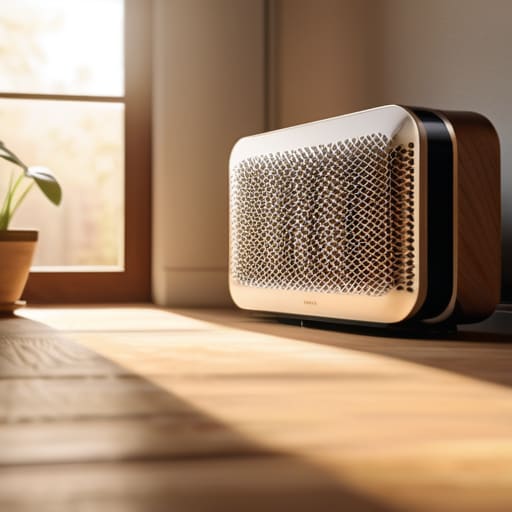
If my collection of vintage pagers taught me anything, it’s that we often overlook the invisible signals swirling around us until they become overwhelming. In the same way, we frequently ignore the microscopic particles drifting through our living rooms. This is where the mechanical grace of a HEPA filter comes into play. Unlike the blunt force of a vacuum, a high-quality device acts more like a silent, digital curator for your lungs, meticulously filtering out common indoor air pollutants that we can’t even see.
There is something deeply satisfying about the precision of this technology. When we discuss HEPA air purifier benefits, we aren’t just talking about a gadget; we are talking about reclaiming the sanctity of our personal micro-climates. It’s a way of curating the very air we breathe, ensuring that our modern sanctuaries remain as crisp and clear as a high-resolution display. By integrating these systems, we aren’t just cleaning a room; we are optimizing our most fundamental biological interface, creating a seamless flow between our high-tech lifestyles and our innate need for a pristine, breathable environment.
Small Rituals for a More Breathable Existence
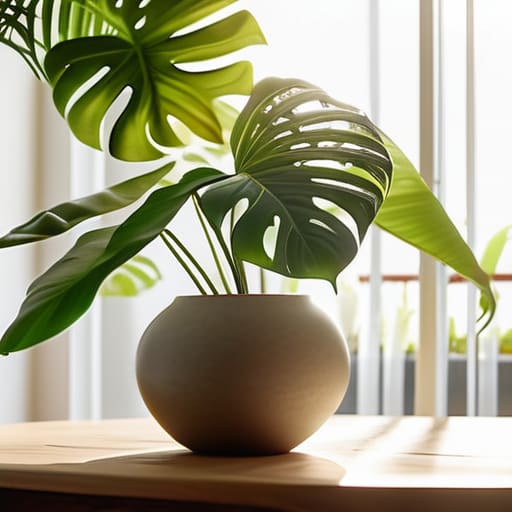
- Invite the green lungs of the earth into your workspace; a well-placed Monstera or a trailing Pothos does more than just satisfy our primal need for greenery—it acts as a living, breathing filter for the stagnant air of our digital cocoons.
- Practice the art of the “controlled breeze” by opening your windows for just fifteen minutes a day, allowing the old, stale energy and trapped particulates to escape in exchange for a fresh, atmospheric reset.
- Mind the invisible dust bunnies lurking near your tech stack; a gentle, damp microfiber wipe-down of your keyboards, monitors, and charging stations prevents the buildup of allergens that love to hide in the crevices of our most-used gadgets.
- Swap out those harsh, synthetic-scented aerosols for something more grounded, like essential oil diffusers or beeswax candles, ensuring that your sensory experience doesn’t come at the cost of inhaling unnecessary chemical cocktails.
- Audit your textile ecosystem by laundering your curtains and soft furnishings more frequently, as these are often the quiet, unsuspecting reservoirs for the dust and dander that circulate through our personal sanctuaries.
Breathing Life Back Into Our Spaces
As we navigate the intersection of our high-tech lifestyles and our physical well-being, it becomes clear that improving air quality isn’t just a chore—it’s a form of digital and physical hygiene. From identifying those sneaky, invisible pollutants that hitch a ride on our gadgets to strategically deploying HEPA-powered sentinels to guard our lungs, we have the tools to reclaim our environment. Just as I once spent hours meticulously organizing my collection of vintage pagers to find order in the chaos, we must learn to curate the very air we breathe, ensuring our sanctuaries remain as clear and vibrant as the digital visions we strive to create.
Ultimately, tending to our indoor atmosphere is a beautiful act of mindfulness in an increasingly frenetic world. We often spend so much time optimizing our software and upgrading our hardware, yet we forget that our most vital biological interface—our breath—requires its own kind of intentional maintenance. Let us treat our homes not just as docking stations for our devices, but as living, breathing ecosystems that nourish our creativity and soul. By making these small, thoughtful adjustments, we aren’t just cleaning the air; we are cultivating the space where our most authentic, modern selves can truly flourish.