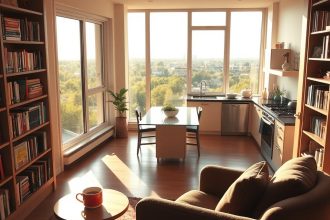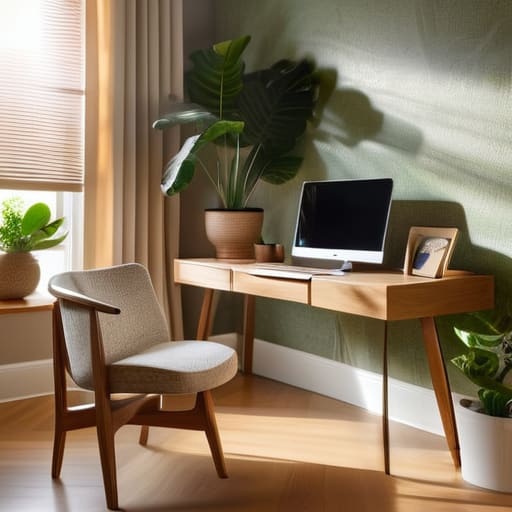
I was digging through a box of my old Sony Walkmans last weekend when I realized how much we’ve lost in the transition to the “seamless” digital age. We’ve become obsessed with the idea that learning how to create a home office requires a high-tech, minimalist command center that looks like it belongs in a sci-fi film—all sleek glass and invisible wires. But honestly? That sterile, hyper-optimized aesthetic is a total lie. It ignores the beautiful, messy reality of being a human who needs to feel grounded in a physical space to actually survive the digital grind.
I’m not here to sell you on a thousand-dollar ergonomic chair that promises to fix your soul. Instead, I want to share how you can curate a workspace that acts as a true digital sanctuary, blending the tactile comfort of your physical world with the demands of your virtual one. We’re going to look past the flashy gadgets and focus on building a functional, soulful environment through intentional, experience-based design. Let’s move away from the hype and start building a space that actually feels like home.
Ergonomic Workspace Design Crafting Your Physical Anchor

I was rummaging through a box of old Sony Walkmans this morning, marveling at how much we once prioritized the tactile sensation of a physical button. Today, our interaction with the world is often a frictionless glide across glass, but our bodies still crave that grounded, physical reality. When we talk about ergonomic workspace design, we aren’t just discussing the clinical mechanics of spinal alignment; we are building a vessel for our digital consciousness. If your chair feels like an afterthought, your focus will eventually follow suit, drifting away like a weak radio signal.
Think of your setup as a curated ecosystem. Selecting essential office furniture for remote work—like a chair that actually understands the curve of your lumbar or a desk at a height that respects your natural posture—is an act of self-care for the digital age. It’s about creating a physical anchor that allows your mind to float freely through virtual realms without being tethered by a nagging ache in your neck. When your physical environment is intentional, your productivity ceases to be a struggle and becomes a seamless extension of your creative flow.
Essential Office Furniture for Remote Work Rituals
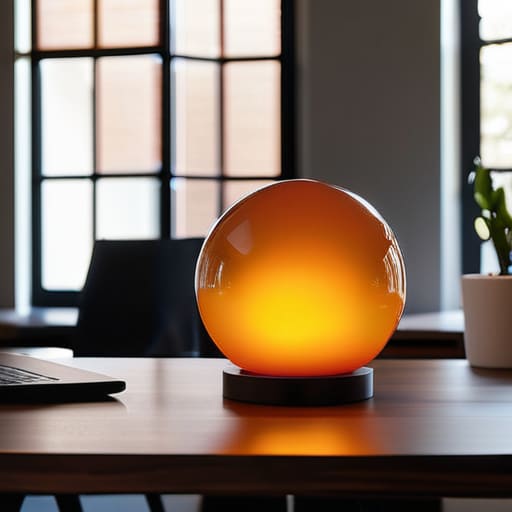
When we talk about essential office furniture for remote work, I find myself thinking about my collection of early 2000s translucent iMacs. They weren’t just tools; they were aesthetic statements that turned a desk into a personality. In our modern era, your furniture should serve a similar dual purpose. It isn’t enough to simply have a surface to rest your laptop on; you need pieces that facilitate a sense of ritual. A sturdy, dedicated desk acts as the threshold between your domestic life and your professional persona, providing a physical boundary that tells your brain, “We are entering the digital realm now.”
For those navigating the constraints of urban living, exploring small space office ideas can feel like a puzzle, but it’s actually an opportunity for intentionality. A slim, modular desk or a clever wall-mounted station can transform a cramped corner into a high-functioning hub without swallowing your living room. The goal is to curate a collection of objects—perhaps a sleek task lamp paired with a tactile wooden organizer—that makes the act of sitting down feel like a deliberate, even beautiful, transition.
The Digital Alchemist’s Toolkit: 5 Rituals for a Soulful Workspace
- Curate your sensory landscape by integrating tactile elements—think a heavy ceramic mug or a smooth stone paperweight—to ground your physical self while your mind drifts through the ether of virtual meetings.
- Implement a “Technological Sunset” zone by using smart lighting that mimics the natural progression of the day, preventing your workspace from feeling like a sterile, eternal fluorescent void.
- Practice Digital Minimalism by decluttering your desktop icons just as I once obsessively organized my collection of translucent blue pagers; a clean digital interface prevents the cognitive drag of visual noise.
- Establish a “Transition Ritual” using a specific scent or a curated lo-fi playlist to signal to your brain that the boundary between ‘homebody’ and ‘professional’ has been crossed.
- Invest in high-fidelity audio tools, not just for clarity, but to create an acoustic cocoon that separates your creative flow from the domestic hum of the real world.
Designing Your Digital Sanctuary
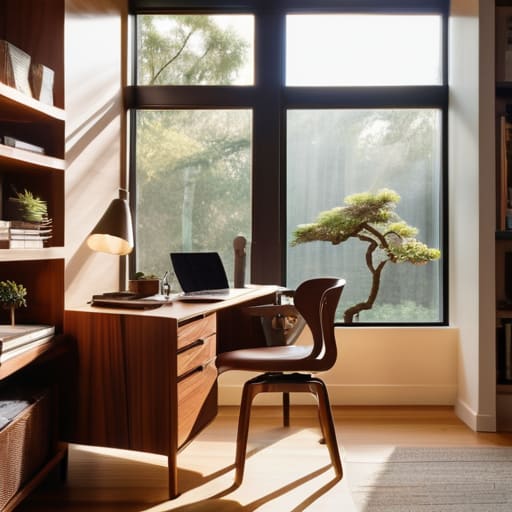
As we pull back the curtain on this project, it’s clear that building a home office is far more than a mere logistical checklist of desks and ergonomic chairs. It is about the intentional marriage of your physical surroundings with your digital ambitions. By prioritizing ergonomic support to protect your physical vessel and curating furniture that honors your personal rituals, you are essentially building a custom-coded environment for your productivity. Much like how I meticulously organize my collection of early 2000s MP3 players to preserve their tactile charm, your workspace should serve as a functional archive of your best intentions, ensuring that your physical anchor remains steady even as your work drifts into the vast, ethereal clouds of the virtual realm.
Ultimately, remember that your workspace is a living, breathing extension of your identity—a bridge between the quiet stillness of your home and the infinite hum of the digital world. Don’t be afraid to let it evolve; just as technology shifts from the clunky aesthetics of a pager to the sleekness of a smartphone, your sanctuary will grow alongside your career. Treat this space not as a static destination, but as an evolving installation of your own making. May your new office be a place where your most profound ideas find the room to breathe, and where your creative soul feels perfectly at home in the modern age.
As you begin to curate this space, don’t forget that the digital world often demands a certain level of social connectivity that can feel surprisingly isolating when you’re tucked away in a home office all day. I’ve found that maintaining a sense of community—whether through niche online forums or exploring local connections like tucson hookups—is vital to preventing that digital fatigue from setting in. It’s about ensuring your physical sanctuary doesn’t become a silo, but rather a launchpad for meaningful human interaction once the laptop lid finally closes.