
Did you know that over 75% of employees expect a flexible work environment that allows them to work from anywhere? This shift towards flexibility has driven the adoption of the digital workspace, a revolutionary approach that has transformed the modern workplace.
A digital workspace is an integrated technology framework that enables employees to access tools, data, and applications from anywhere, fostering collaboration and productivity. This unified platform has become a core element of business operations, allowing companies to stay competitive in today’s rapidly evolving work environment.
Key Takeaways
- The digital workspace is a unified platform that enables employees to access tools, data, and applications from anywhere.
- It has become a core element of business operations, driving flexibility and productivity.
- The shift towards remote and hybrid work models has accelerated the adoption of digital workspaces.
- This comprehensive guide will cover definitions, benefits, implementation strategies, and future trends.
- Understanding digital workspaces is crucial for businesses looking to stay competitive.
What Is a Digital Workspace?
A digital workspace is an integrated technology framework that enables employees to access the resources they need to perform their jobs effectively. It brings together key business tools, platforms, and communication channels into one integrated system.
Definition and Core Components
A digital workspace is essentially an all-encompassing digital environment. It includes cloud-based applications, virtual desktops, collaboration platforms like Slack or Microsoft Teams, and secure access to company data. The core components work together to provide a seamless experience for users.
How Digital Workspaces Differ from Traditional Work Environments
What sets digital workspaces apart from traditional office environments is the way they centralize and streamline workflows. By eliminating physical barriers, digital workspaces enable seamless remote collaboration. This allows employees to access everything they need from a single virtual location, rather than jumping between different apps or physical spaces.
In a traditional workplace, employees are often tied to specific locations and devices. In contrast, a digital workplace provides the flexibility to work from anywhere, on any device, at any time. This flexibility is crucial in today’s business landscape, where the ability to adapt quickly to changing circumstances is a significant competitive advantage.
The Evolution of Digital Workspace
The journey of the digital workspace from a simple remote access solution to a comprehensive virtual environment is a testament to the power of digital transformation. As companies continue to adapt to changing work cultures and technological advancements, the concept of the workplace has undergone a significant shift.
From Physical Offices to Virtual Environments
The transition from traditional office settings to more contemporary, team-optimized environments was already underway before the COVID-19 pandemic. Many companies were moving towards more collaborative and open workspaces, leveraging technology to enhance operations. The digital workspace evolved to support this shift, incorporating various tools and platforms to facilitate communication and productivity.
Impact of Global Events on Workspace Transformation
The COVID-19 pandemic served as a catalyst for rapid digital transformation, accelerating the adoption and development of digital workspace solutions. As workforces had to quickly adapt to becoming more agile and innovative, the necessity for robust, secure, and flexible workspaces became paramount. This global event highlighted the importance of having a well-designed digital workplace that can support business continuity in times of crisis.
In conclusion, the evolution of the digital workspace is a continuous process, driven by technological advancements and the changing needs of the modern workplace. As we move forward, it’s essential for companies to stay ahead of the curve, embracing innovations that enhance the digital workspace and support the well-being and productivity of their employees.
Key Components of an Effective Digital Workspace
A digital workspace that works effectively relies on a combination of infrastructure, collaboration tools, and robust security measures.
Cloud-Based Infrastructure and Applications
Cloud computing is the backbone of the digital workspace, enabling employees to access their tools and data from any device, at any time. Software-as-a-Service (SaaS) platforms and cloud storage solutions provide the necessary flexibility and scalability for modern businesses.
Collaboration and Communication Tools
Effective collaboration and communication are crucial in a digital environment. Platforms like Microsoft Teams, Zoom, Slack, and Google Workspace are essential for fostering teamwork within distributed teams. These tools enable seamless interaction and help maintain productivity.

Security and Access Management Solutions
With distributed environments, businesses need to implement stringent access management protocols to protect sensitive data. Multi-factor authentication, VPNs, and advanced encryption methods ensure that only authorized personnel can access specific parts of the digital workspace.
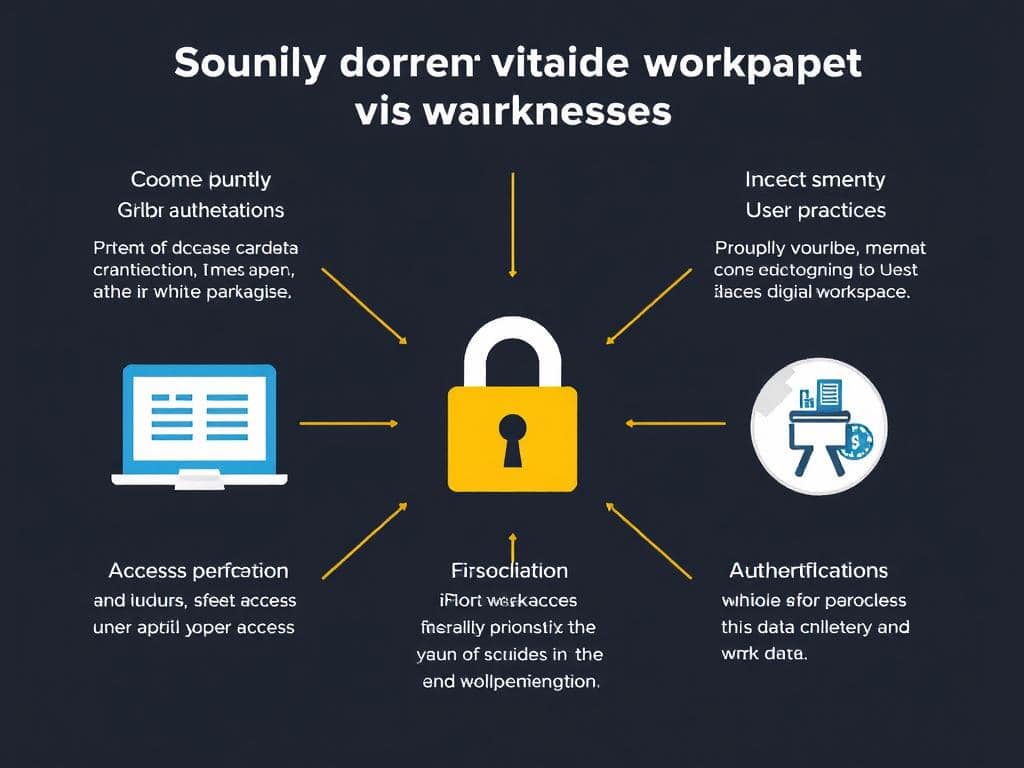
By integrating these components, businesses can create a cohesive, secure, and productive digital workspace that supports their team‘s needs, regardless of their location.
Benefits of Implementing a Digital Workspace Strategy
By embracing a digital workspace, organizations can unlock a range of benefits that improve work-life balance, productivity, and overall business outcomes. A digital workspace strategy is not just about adopting new technology; it’s about transforming the way employees work and interact with each other.
Enhanced Flexibility and Work-Life Balance
A digital workspace offers enhanced flexibility, allowing employees to work from anywhere and at any time. This flexibility improves work-life balance by giving employees greater control over their schedules. As a result, employees can manage their personal and professional responsibilities more effectively, leading to increased employee satisfaction.
Improved Productivity and Collaboration
Digital workspaces can significantly improve productivity by centralizing tools and applications, reducing the need to switch between platforms. Moreover, they facilitate collaboration among team members, regardless of their physical location. This enables seamless interaction and enhances teamwork, driving business success.
Cost Savings and Resource Optimization
Implementing a digital workspace can lead to substantial cost savings. By reducing the need for physical office space and lowering hardware investments, organizations can optimize resource allocation. These savings can then be redirected towards strategic initiatives that drive business growth.
In conclusion, a digital workspace strategy offers numerous benefits, including enhanced flexibility, improved productivity, and cost savings. By adopting a digital workspace, businesses can improve employee experience, increase productivity, and achieve better outcomes.
Challenges in Digital Workspace Adoption
While digital workspaces offer numerous benefits, they also present several obstacles that organizations must overcome to ensure successful adoption.
Security Concerns in Distributed Environments
The digital workspace increases the number of applications and systems being used, as well as the amount of data sharing that occurs. This creates a need for stronger and more scalable security solutions that allow users to collaborate with external partners securely.
Ensuring Seamless User Experience Across Devices
To maintain productivity, it’s essential to ensure a seamless user experience across different devices. This can be challenging due to variations in device capabilities and user proficiency.
Change Management and Employee Training
Inadequate training often leads to poor adoption of digital workspaces. Therefore, effective change management and comprehensive employee training programs are crucial for a smooth transition.
By addressing these challenges, organizations can better navigate the complexities of digital workspace adoption and create a more efficient and secure workplace for their employees.
Technologies Powering the Modern Digital Workspace
The modern digital workspace is driven by a range of innovative technologies that enhance productivity and collaboration. These technologies work together to create a seamless and efficient work environment.
Virtual Desktop Infrastructure (VDI)
Virtual Desktop Infrastructure (VDI) allows employees to access a desktop environment remotely, centralizing data management while giving employees the flexibility to work from any location. This is particularly useful for businesses with strict security requirements.

Software-as-a-Service (SaaS) Applications
SaaS platforms like Salesforce, Microsoft365, and Google Workspace provide cloud-based software solutions that are accessible from anywhere, enhancing collaboration and productivity.

Cloud Storage and File Sharing Solutions
Platforms like Dropbox, Google Drive, and OneDrive allow employees to store, share, and collaborate on documents in real time, improving data accessibility and teamwork.

AI and Analytics Integration
AI-driven analytics can track workspace usage patterns and help IT leaders optimize the digital environment, making data-driven decisions to enhance the digital workspace.
These technologies work together to create a cohesive, efficient digital workspace that enhances productivity and collaboration, giving businesses a competitive edge in today’s fast-paced environment.
Implementing Your Digital Workspace: Best Practices
Implementing a digital workspace requires a strategic approach that aligns with business objectives. A clear strategy is essential for ensuring that the digital workspace meets the needs of the organization and its employees.
Developing a Comprehensive Digital Strategy
Developing a comprehensive digital strategy involves defining your goals, identifying the necessary tools and platforms, and establishing a roadmap for rolling out the digital workspace across your organization. This step is crucial for creating a digital workspace that enhances employee experience and productivity.
Selecting the Right Tools and Technologies
Not all tools are created equal. Businesses must carefully select platforms that integrate well with their existing infrastructure and align with their specific needs. The right technologies can significantly enhance the workplace by providing employees with the experience they need to be productive.
Ensuring Seamless Integration and User Adoption
To avoid disrupting workflows, it’s crucial that all tools in your digital workspace are compatible and work well together. Seamless integration allows employees to focus on their work without battling technological barriers. Effective training programs and change management strategies are also vital for promoting user adoption and ensuring that the team can effectively utilize the new digital workspace.
By following these best practices, organizations can create a digital workspace that enhances employee experience, improves productivity, and drives business success.
The Future of Digital Workspaces
The future of digital workspaces is poised to revolutionize how we work, with emerging technologies playing a crucial role. As we move forward, it’s clear that the digital workspace will become even more integral to our daily work lives.

Emerging Technologies Shaping Tomorrow’s Workspace
Technologies like AI, AR, and VR will significantly impact the digital workplace, enabling new forms of collaboration and interaction. These advancements will create more immersive and effective work environments, allowing teams to work together more seamlessly.
Predictions for the Evolution of Virtual Work Environments
As the workplace continues to evolve, we can expect to see more flexible and dynamic environments that adapt to the needs of the employee, enhancing their overall experience. This will lead to greater innovation and productivity within business and organization settings, ultimately shaping the future of workspaces.
Conclusion: Embracing the Digital Workspace Revolution
As we conclude our exploration of digital workspaces, it’s clear that they have become a cornerstone of modern business operations. The digital workspace revolution is transforming the way companies operate, making flexibility and productivity paramount.
By embracing this evolution and leveraging the right technologies, organizations can thrive in today’s increasingly digital world. Digital workspaces offer significant benefits in terms of productivity, security, and cost savings. However, businesses must also address challenges like security concerns and change management.
With proper planning and strategy, companies can overcome these challenges and reap the rewards of a digital workspace, including enhanced employee satisfaction and improved communication. As digital workplaces continue to evolve, staying ahead of the curve will be crucial for long-term business success.