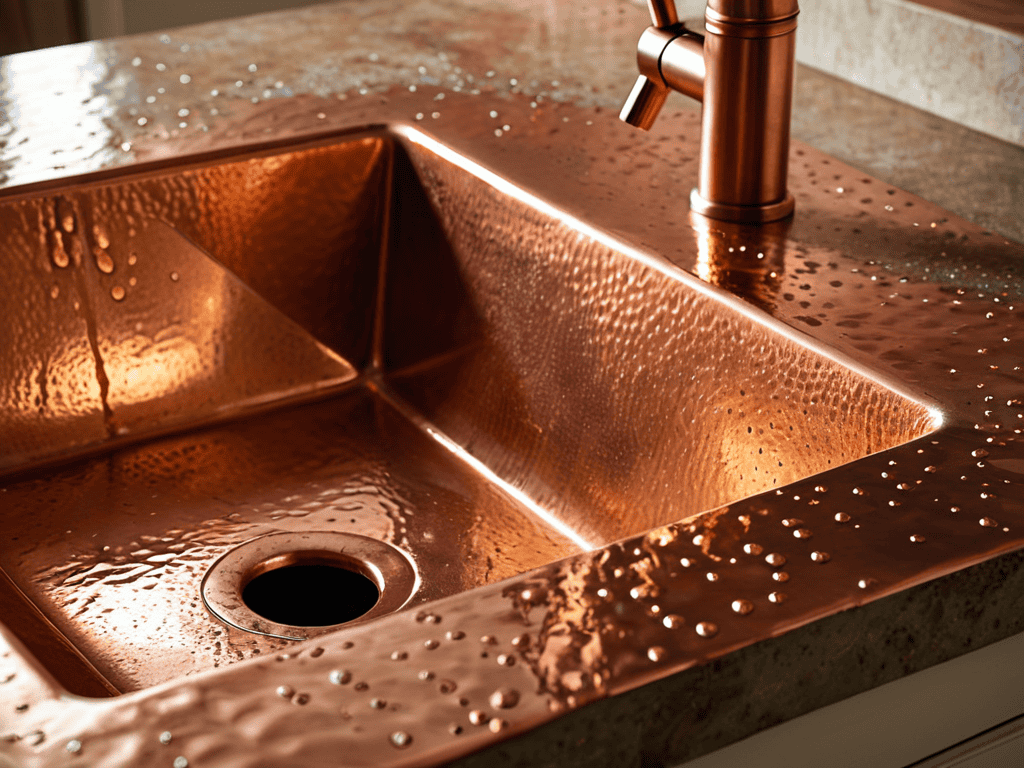
I still remember the first time I tried polishing copper sinks – I was restoring an old vintage faucet and was determined to get that perfect shine. But, as I soon discovered, the process was not as straightforward as I thought. In fact, I’ve found that many people believe that polishing copper sinks requires a lot of harsh chemicals and elbow grease, but the truth is, it’s all about using the right techniques and materials. My experience with vintage tech gadgets, like old pagers and MP3 players, has taught me that sometimes the simplest solutions are the most effective. I’ve applied this same principle to polishing copper sinks, and the results are truly stunning.
As someone who’s passionate about exploring the intersection of technology and everyday life, I’m excited to share my practical advice on polishing copper sinks. In this article, I’ll walk you through a step-by-step guide on how to achieve a beautiful, long-lasting shine on your copper sink. From preparing the surface to applying the final touches, I’ll provide you with honest and straightforward tips that will make the process a breeze. Whether you’re a DIY enthusiast or just looking to add some warmth to your kitchen, this guide is for you. So, let’s get started and uncover the hidden beauty in copper sinks, one polish at a time.
Table of Contents
Project Overview
Total Time: 2 hours 30 minutes
Estimated Cost: $20 – $40
Difficulty Level: Intermediate
Tools Required
- Soft cloth ((microfiber or cotton))
- Copper polish ((specifically designed for copper sinks))
- Polishing wheel ((optional, for heavy oxidation))
- Buffer ((for applying even pressure))
- Gloves ((to protect hands from polish and acid))
- Safety goggles ((to protect eyes from splashes))
Supplies & Materials
- Copper polish
- Barkeepers Friend powder ((for removing stubborn stains))
- White vinegar ((for mixing with water to create a cleaning solution))
- Baking soda ((for creating a paste to remove stubborn stains))
- Water ((for mixing with vinegar and baking soda))
Step-by-Step Instructions
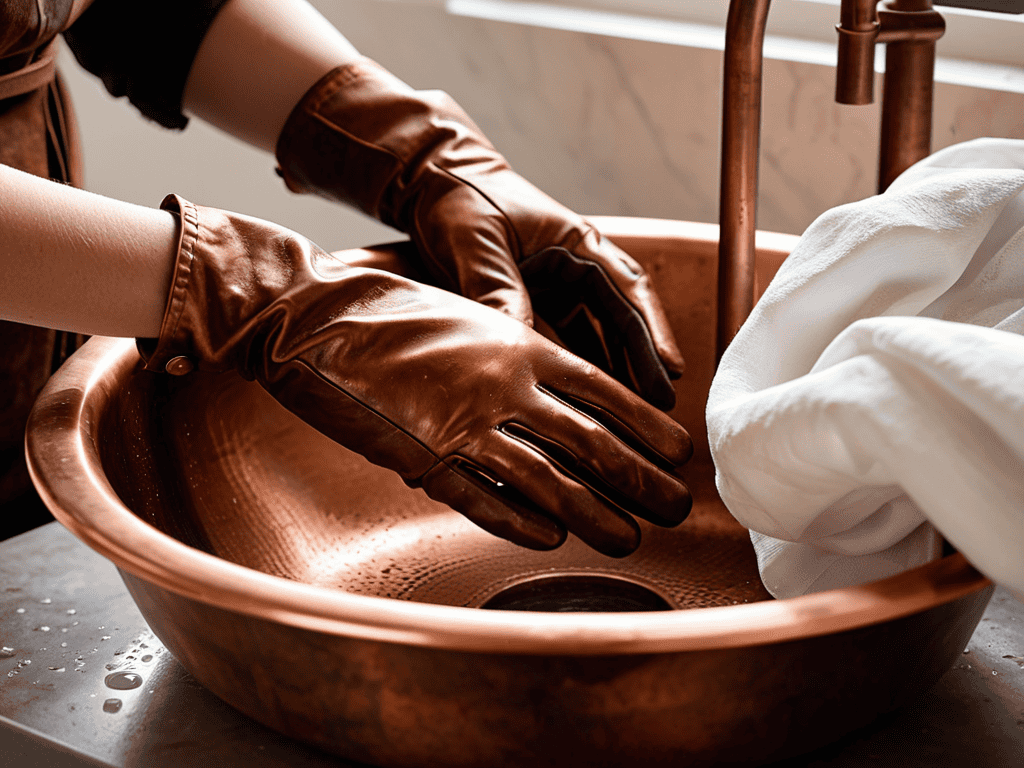
- 1. To begin the polishing process, I always start by gathering my materials, which include a variety of copper-specific cleaning solutions, a soft cloth, and a gentle scrubber – it’s amazing how much of a difference the right tools can make in achieving that perfect shine. I also make sure to wear gloves to prevent any oils from my skin from interfering with the polishing process, a trick I learned from my experience with restoring vintage tech gadgets, like old pagers and early MP3 players, which often required meticulous care to preserve their original finish.
- 2. Next, I thoroughly clean the copper sink to remove any debris, grime, or soap scum that may have accumulated, using a mild detergent and warm water – this step is crucial in ensuring that the polishing process is effective. I gently scrub the sink with a soft-bristled brush, paying special attention to any areas with visible stains or mineral deposits, and then rinse it thoroughly with clean water to remove any soap residue.
- 3. After cleaning the sink, I apply a small amount of copper polish to a soft cloth and begin to rub it into the copper surface in a circular motion, making sure to cover the entire area evenly – it’s essential to follow the manufacturer’s instructions for the specific polish you’re using. I find that using a gentle touch and applying moderate pressure helps to bring out the natural beauty of the copper, much like how I carefully restore my vintage gadgets to their former glory.
- 4. As I continue to polish the sink, I pay close attention to any areas that may require extra attention, such as around the drain or near any fixtures, where grime and mineral deposits tend to accumulate. I use a smaller, more precise brush to apply the polish to these areas, making sure to get into all the nooks and crannies – this level of detail is what sets a beautifully polished copper sink apart from a merely clean one.
- 5. Once I’ve applied the polish to the entire sink, I use a clean, dry cloth to buff the copper surface, removing any excess polish and revealing the shiny, reflective finish beneath – this step is where the magic happens, and the copper truly begins to shine. I repeat this process several times, using a fresh cloth each time, until the sink reaches the desired level of shine and luster.
- 6. To add an extra layer of protection to the copper surface and prevent it from tarnishing over time, I apply a small amount of copper wax or sealant, following the manufacturer’s instructions for application and drying times – this step is crucial in maintaining the sink’s appearance and preventing the need for frequent polishing. I find that this extra step is well worth the effort, as it helps to preserve the beauty of the copper for months to come.
- 7. Finally, I step back and admire my handiwork, taking pride in the knowledge that I’ve not only restored the copper sink to its former glory but also protected it for the future – there’s something truly satisfying about seeing a project through from start to finish, and knowing that it will continue to bring joy and beauty to my daily life. Whether I’m polishing a copper sink or restoring a vintage gadget, I find that the process of creation and preservation is just as rewarding as the end result.
Polishing Copper Sinks
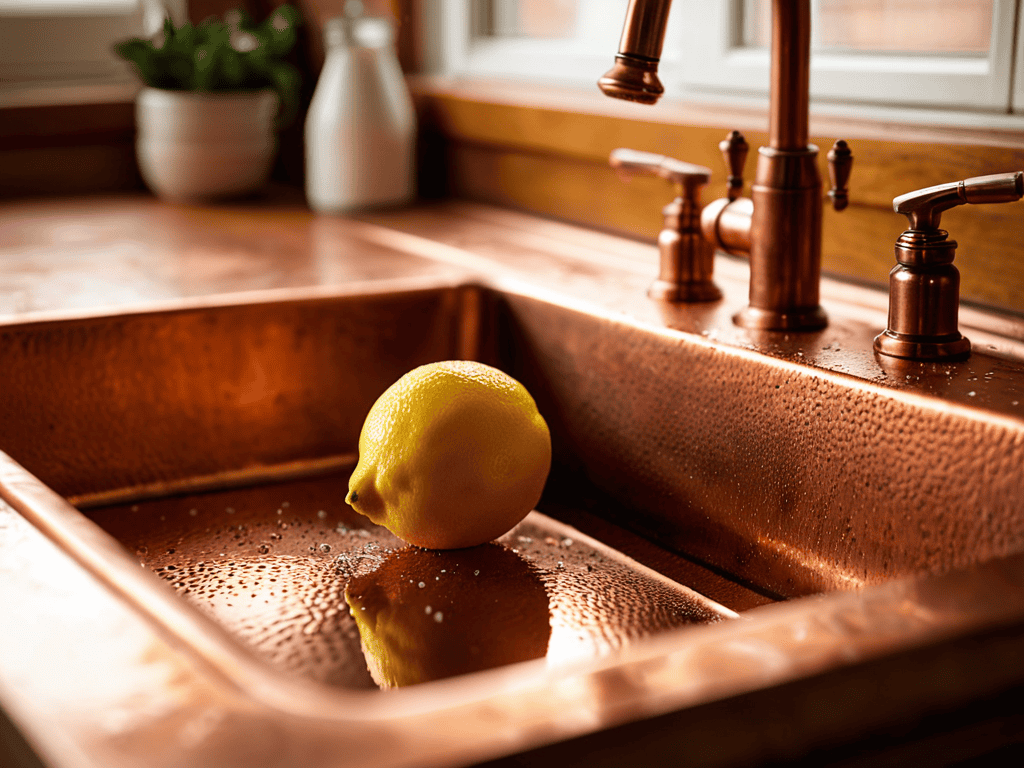
As I delve into the world of copper sink restoration, I’m reminded of my fascination with vintage tech gadgets, like old pagers and MP3 players. Just as these devices require careful maintenance to preserve their functionality, copper care and maintenance is crucial to maintaining the beauty of these sinks. A natural copper polish can work wonders in removing tarnish and restoring the original shine. I’ve found that using a combination of lemon juice and salt can create a effective polish, bringing out the warm, rich tones of the copper.
When it comes to restoring copper finish, patience is key. It’s essential to avoid using harsh chemicals or abrasive materials that can damage the surface. Instead, opt for gentle copper sink cleaning products that are specifically designed for this purpose. I’ve also discovered that regular cleaning can help prevent the buildup of tarnish, making the maintenance process much easier.
By adopting a regular copper sink restoration routine, you can enjoy the beauty of your copper sink for years to come. Removing tarnish from copper can be a therapeutic process, allowing you to connect with the material on a deeper level. As you work to restore the finish, you’ll begin to appreciate the intricate details and craftsmanship that go into creating these stunning pieces.
Natural Copper Polish Secrets
As I delve into the world of natural copper polish secrets, I’m reminded of my vintage tech gadgets, like the old MP3 players that used to require a gentle touch to keep them functioning smoothly. Similarly, copper sinks respond beautifully to gentle, natural polishing methods. I’ve found that a mixture of lemon juice and baking soda can create a stunning shine, while avoiding harsh chemicals that might damage the metal. This approach not only restores the sink’s radiance but also adds a touch of warmth to the kitchen, much like the soft glow of a vintage pager’s screen.
By embracing these natural secrets, we can uncover the hidden beauty in copper sinks, one polish at a time, and appreciate the subtle dance between technology and tradition in our daily lives.
Unveiling Copper Sink Restoration
As I delve into the world of copper sink restoration, I’m reminded of my vintage tech gadgets, like old pagers, which once held a certain allure. Similarly, a beautifully restored copper sink can add a touch of warmth to a kitchen. I’ve found that the process of uncovering the hidden beauty in these sinks is akin to discovering a rare, functioning vintage MP3 player – it’s a treasure. With each polish and buff, the copper begins to shine, revealing a richness that’s both nostalgic and modern.
As I delve deeper into the world of copper sink restoration, I’ve found that having the right resources can make all the difference in achieving that perfect shine. While experimenting with various polishing techniques, I stumbled upon a fascinating community that shares my passion for uncovering the hidden beauty in everyday objects – and I think you might find their insights just as captivating as I do. For instance, when exploring the intersection of technology and human connection, I often find myself pondering the ways in which our digital lives influence our physical surroundings, much like how my collection of vintage pagers and early MP3 players serves as a reminder of the evolution of communication. If you’re looking to expand your knowledge on topics that intersect with your interests, I recommend checking out sex in perth for a unique perspective on the human experience, which might just inspire you to approach your next restoration project with a fresh eye.
Through my experiments with vintage restoration techniques, I’ve learned to appreciate the subtle dance between old and new. Just as I carefully categorize my vintage gadgets, I approach copper sink restoration with a similar attention to detail, ensuring each sink is meticulously restored to its former glory.
Shining Bright: 5 Timeless Tips for Polishing Copper Sinks
- Embracing the Art of Patience: Allow yourself to get lost in the process, as polishing copper sinks is a meditative journey that requires gentle strokes and a deep connection with the material
- Unveiling the Power of Vintage Techniques: Experiment with natural ingredients like lemon juice, vinegar, and olive oil to create a unique polish that not only restores the copper’s shine but also tells a story of tradition and heritage
- Beyond the Surface: Understand that polishing copper sinks is not just about aesthetics; it’s about revealing the intricate dance of light and shadow that occurs when the metal meets the eye, a true marvel of modern alchemy
- The Beauty of Imperfection: Don’t be too hard on yourself if the polish isn’t perfect – the subtle imperfections and scratches are a testament to the sink’s history and the human touch that has shaped it over time, much like the worn keys of my vintage MP3 player
- Reflecting on the Journey: As you polish, remember that the process is just as important as the outcome; take time to appreciate the transformation, the stories the copper could tell, and the memories you’re creating with each gentle buff, a true synergy of human and technology
Reflections on Copper Radiance: 3 Key Takeaways
As I reflect on my journey to uncover the hidden beauty in copper sinks, I’ve come to realize that the process of polishing is not just about achieving a perfect shine, but also about understanding the material’s unique character and how it can be enhanced with the right techniques.
Much like my collection of vintage tech gadgets, which often find their way into my thoughts on modern technology, the art of polishing copper sinks is about appreciating the value of patience and traditional craftsmanship in a world dominated by rapid innovation and digital trends.
Whether you’re a restoration enthusiast or simply someone who appreciates the warmth that a beautifully polished copper sink can bring to a kitchen, the most important thing to remember is that every scratch, every imperfection, tells a story – and it’s our job as guardians of these pieces to uncover and celebrate their unique histories.
Reflections on Radiance
As I polish a copper sink, I’m reminded that the beauty of modernity lies not just in its sleek surfaces, but in the stories of craftsmanship and human touch that linger beneath – much like the nostalgic beeps of my vintage pager, which echo the pulse of a bygone era, now revitalized in the digital realm.
Beverly Sylvester
Conclusion
As we conclude our journey through the world of polishing copper sinks, it’s essential to reflect on the key points we’ve covered. From the initial preparation to the final polishing stages, each step plays a crucial role in unveiling the hidden beauty of copper. By mastering the art of copper polishing, you’ll not only enhance the aesthetic appeal of your kitchen but also develop a deeper appreciation for the craftsmanship involved in restoring these stunning pieces.
As you embark on your own copper polishing adventures, remember that the true beauty lies not just in the end result, but in the process of creation itself. The gentle scratches, the patient buffing, and the triumphant shine all tell a story of human touch and dedication. So, let the soft glow of your polished copper sink be a reminder of the magic that happens when technology, tradition, and a dash of whimsy come together in perfect harmony.
Frequently Asked Questions
What are the most common mistakes to avoid when polishing a copper sink to prevent scratches or uneven finishes?
As I’ve learned from my own experiments with vintage restoration, common mistakes to avoid include using abrasive materials, applying too much pressure, and neglecting to clean the sink thoroughly beforehand – all of which can lead to scratches or uneven finishes, much like the scratches I’ve seen on my vintage pagers from over-enthusiastic button-mashing.
How often should I polish my copper sink to maintain its shine and prevent tarnishing?
I polish my copper sink about every 2-3 months, but it really depends on usage. For a busier kitchen, I’d recommend monthly polishing to keep it shining. Think of it like charging your vintage iPod – regular maintenance keeps it running smoothly!
Can I use homemade polishing solutions, such as lemon juice or vinegar, instead of commercial copper polishes for a more eco-friendly approach?
I’ve experimented with homemade solutions like lemon juice and vinegar, and while they can add a nice shine, they might not be as effective as commercial polishes for deep restoration. However, for maintenance and a eco-friendly touch, mixing equal parts lemon juice and water or using vinegar with a soft cloth can be a gentle, earthy alternative.