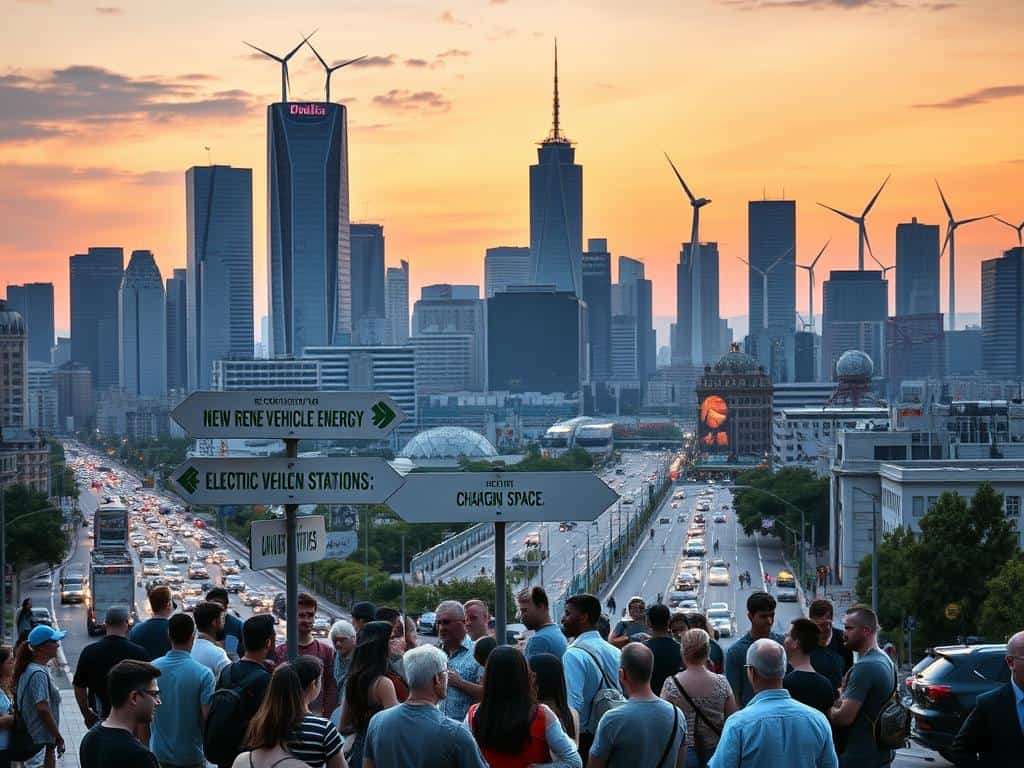
In my local coffee shop, I overheard a heated debate. Two patrons were talking about climate policy and Project 2025. They discussed how this project could change our environmental rules.
One of them worried that it might get rid of important green laws. These laws have protected our nature for years. The talk made me realize that our planet’s future is at stake.
If the changes happen, our environmental sustainability could be in danger. Our carbon targets might also be pushed aside for economic gains. This imbalance is scary, showing how we’re all connected to these issues.
Key Takeaways
- Project 2025 aims to transform key aspects of climate policy.
- Significant rollback of the Endangered Species Act is on the horizon.
- Economic growth is prioritized over environmental sustainability.
- Air quality standards could face major changes under new regulations.
- Implications for local communities and environmental laws are profound.
Introduction to Climate Policy Changes in 2025
Looking at the climate policy changes for 2025, it’s key to see how environmental rules and economic goals mix. Project 2025 is more than a plan; it’s a call to action for many. This includes environmental groups, lawmakers, and local communities.
These changes in climate policy bring up big questions about our planet. There’s a balance between growing the economy and keeping the environment safe. People who care about the planet are worried about losing important protections.
They want us to find ways to grow the economy and protect the environment at the same time.
Impact of Project 2025 on Environmental Regulations
Project 2025 could change how we handle environmental rules in the U.S. It aims to alter or remove key laws that protect our environment. This could affect many areas, including health, ecosystems, and wildlife.
Key Proposals Targeting Bedrock Environmental Laws
Project 2025 wants to loosen environmental rules. This could harm the environment and public health. Critics say it might let economic gains outweigh nature’s needs.
Changes to the Endangered Species Act and National Monuments
Project 2025 plans to change the Endangered Species Act, worrying many. It could lead to more harm to endangered animals like wolves and bears. Also, it might take away the President’s power to protect national monuments. This could open up these areas to harmful activities.
Potential Consequences for Air Quality Standards
The Clean Air Act is another concern. Project 2025 wants to stop the EPA from enforcing air quality rules. This could make air pollution worse, harming people’s health. Keeping strong environmental laws is key to protecting our planet and people.
International Climate Agreements and Commitments
The UN Climate Conference in 2025 in Belém, Brazil, is a big deal. World leaders will meet to strengthen their commitment to sustainability. They aim to keep global warming under 1.5 degrees Celsius.
This event is a chance for countries to talk and make new climate policies. It’s a key moment for shaping the future of climate action.
UN Climate Conference in 2025: What to Expect
At the UN Climate Conference, there will be debates on climate responsibility. Countries will discuss their agreements and how to work together. They will focus on balancing sustainability with economic growth.
It will be interesting to see what countries decide to do. They will choose their priorities for a sustainable future.
Reassessing Global Carbon Targets and Financial Contributions
One big topic will be revisiting carbon targets. Poorer countries might ask richer ones for more money to switch to green energy. They will look at the $300 billion climate financing goal for 2035.
There might be disagreements about funding. Countries will have to figure out how to pay for important projects like Project 2025.
Climate Policy Innovations and Local Responses
Looking at climate policy, it’s clear that local efforts are key. Communities across the U.S. are fighting for a clean environment. They’re creating plans that fit their specific needs.
These plans often go beyond what the federal government requires. Local leaders are determined to protect their people and nature.
Grassroots efforts are leading environmental justice movements. These movements highlight the impact of climate change on vulnerable communities. They push for fair treatment and action.
These efforts are changing the game. They show that local action is essential for fighting climate change. It’s about people and communities taking charge.
Conclusion
As I wrap up this look at climate policies in 2025, it’s clear the battle for a green planet is ongoing. Project 2025’s changes are more than just new rules. They challenge us to think differently about taking care of our planet. This is a critical time to push for real change in climate policy.
We must keep working hard for the environment. The new laws and treaties need us to stay alert and active. We’ll need new partnerships to fight back against steps that slow us down. By talking and acting together, we can guide our path to a greener future.
The key is to see how our actions affect the world. As we strive for a better future, we must keep pushing leaders to act. We need policies that protect our planet and treat everyone fairly. Together, we can make a lasting impact for the next generations.