
Did you know that cloud computing has revolutionized the way businesses and individuals access and utilize computing resources? With the on-demand availability of services over the internet, it’s transformed the IT landscape.
I will guide you through the world of cloud computing, explaining how it provides on-demand access to a shared pool of configurable computing resources. This comprehensive guide will cover the types of services, deployment models, benefits, challenges, and future trends, helping you understand why cloud computing is crucial for businesses of all sizes.
Key Takeaways
- Understanding the basics of cloud computing and its significance.
- Exploring the different types of cloud services and deployment models.
- Learning about the benefits and challenges associated with cloud computing.
- Discovering future trends in cloud computing.
- Understanding how cloud computing can benefit businesses.
What Is Cloud Computing?
Cloud computing has become a ubiquitous term in the technology industry, but what does it really mean? As we explore this concept, it’s essential to understand its fundamental principles and how it has transformed the way we utilize computing resources.
Definition and Core Concepts
Cloud computing refers to the delivery of computing services over the internet, enabling on-demand access to a shared pool of resources, such as servers, storage, and applications. This model allows users to provision resources automatically without requiring human interaction with service providers. The core concept of cloud computing revolves around providing scalability and elasticity, enabling businesses to adapt quickly to changing demands.
Essential Characteristics of Cloud Computing
The National Institute of Standards and Technology (NIST) identified five “essential characteristics” for cloud systems in 2011. These characteristics are fundamental to understanding the cloud computing paradigm. They include:
On-demand self-service allows users to provision resources automatically. Broad network access ensures capabilities are available over the network. Resource pooling enables providers to serve multiple consumers using a multi-tenant model. Rapid elasticity allows capabilities to be elastically provisioned and released to scale rapidly with demand. Finally, measured service enables cloud systems to automatically control and optimize resource use through metering capabilities.
These characteristics work together to provide a robust and flexible cloud computing environment, enabling businesses to leverage the benefits of cloud technology, including cost efficiency, flexibility, and scalability.
The Evolution of Cloud Computing
Cloud computing has evolved substantially over the years, driven by advances in technology and changing user needs. This evolution has transformed the way businesses operate, enabling greater flexibility, scalability, and efficiency.
From Mainframes to Modern Cloud
The journey of cloud computing began with the development of mainframes, which were the precursors to modern cloud infrastructure. Over time, the need for more flexible and scalable computing resources led to the development of various technologies that eventually gave rise to the modern cloud. The transition from mainframes to cloud computing marked a significant shift towards more efficient and cost-effective computing.
Key Milestones in Cloud Development
The development of cloud computing was marked by several key milestones. In 2002, AWS was launched, allowing developers to build applications independently. The release of Amazon S3 and EC2 in 2006 revolutionized cloud computing by providing the first modern cloud services. Other significant milestones include the launch of Microsoft Azure in 2010, the initiation of the OpenStack project by Rackspace Hosting and NASA, and the evolution of Google Cloud from Google App Engine to a comprehensive cloud platform. The competitive dynamics between major providers like AWS, Azure, and Google Cloud drove rapid innovation and expansion of cloud capabilities throughout the 2010s.
Cloud Computing Deployment Models
Understanding cloud deployment models is crucial for businesses looking to leverage cloud computing. The choice of deployment model significantly impacts the flexibility, scalability, and security of an organization’s cloud infrastructure.
Public Cloud
A public cloud is a third-party provider that delivers cloud services over the internet, making them available to anyone. Public cloud providers like Amazon Web Services (AWS) offer scalable and flexible infrastructure.
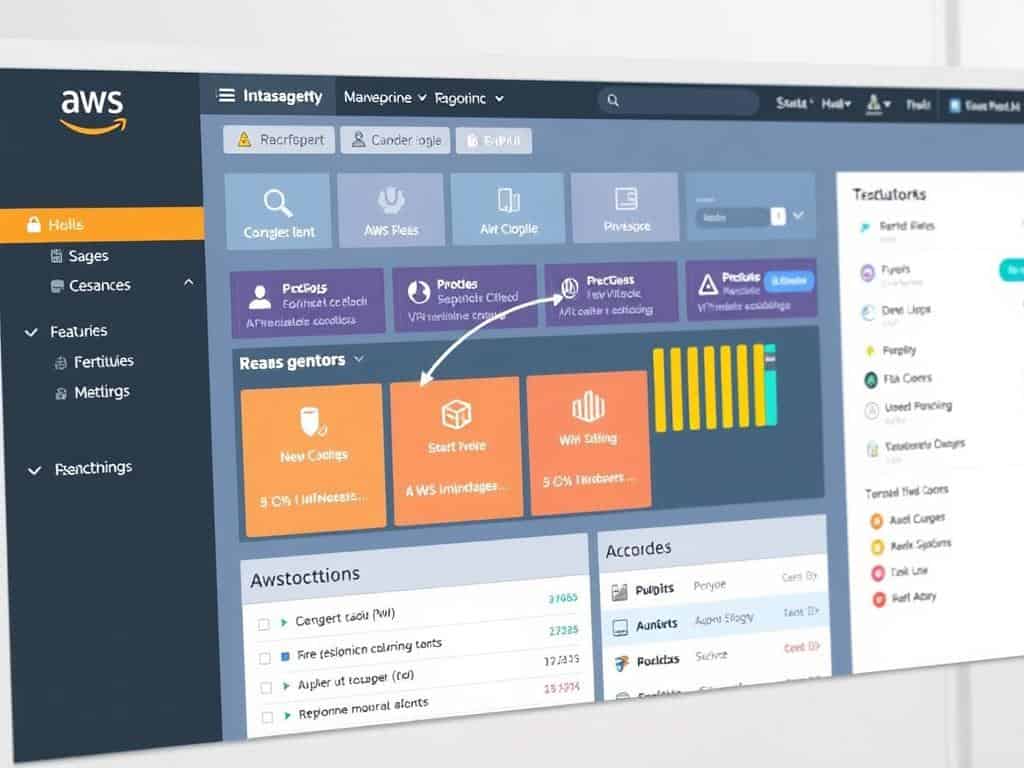
Public clouds are ideal for businesses that require scalability and cost-effectiveness. They offer a multi-tenant environment where resources are shared among multiple users.
Private Cloud
A private cloud is a cloud computing environment provisioned and managed within a single organization. Private cloud solutions provide a high level of control and security, making them suitable for businesses with sensitive data.

Private clouds can be hosted on-premises or by a third-party provider, offering a dedicated environment for a single organization.
Hybrid Cloud
Hybrid clouds combine public and private cloud models, allowing companies to leverage the strengths of both. Hybrid cloud architecture enables businesses to maintain sensitive data on-premises while utilizing public cloud services for other workloads.
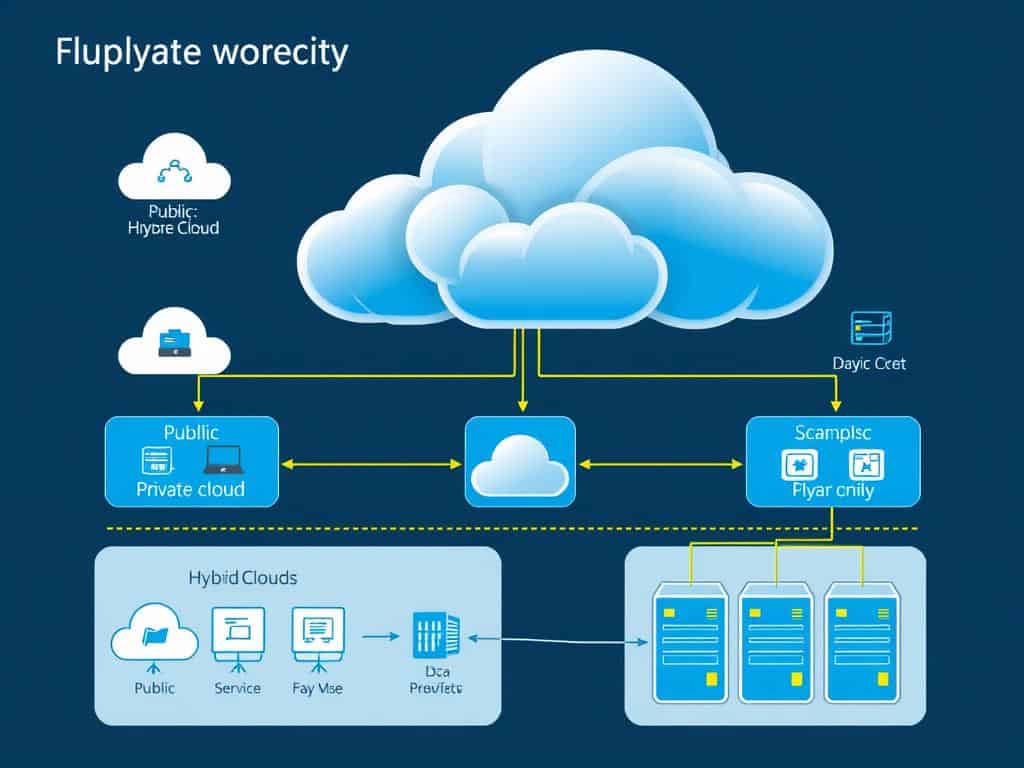
Hybrid clouds offer the flexibility to distribute workloads across different environments based on requirements, making them an attractive option for enterprises seeking to balance innovation with existing investments.
In conclusion, understanding the different cloud deployment models is essential for businesses to make informed decisions about their cloud infrastructure. By choosing the right deployment model, organizations can achieve the desired level of flexibility, scalability, and security.
Types of Cloud Computing Services
As businesses move to the cloud, understanding the different types of cloud computing services becomes crucial for making informed decisions. Cloud computing services are designed to cater to various business needs, providing flexibility, scalability, and cost-effectiveness.
Infrastructure as a Service (IaaS)
Infrastructure as a Service (IaaS) is a cloud computing service that provides virtualized computing resources over the internet. IaaS offers a range of benefits, including reduced capital expenditure, increased scalability, and improved reliability.

IaaS providers, such as Amazon Web Services (AWS) and Microsoft Azure, offer a range of services, including compute, storage, and networking resources. These resources can be provisioned and managed on-demand, allowing businesses to quickly adapt to changing needs.
Platform as a Service (PaaS)
Platform as a Service (PaaS) is a cloud computing service that provides a complete platform for developing, running, and managing applications. PaaS offers a range of benefits, including reduced complexity, increased efficiency, and improved scalability.

PaaS solutions, such as Google App Engine and Heroku, provide a range of tools and services, including development frameworks, databases, and middleware. These services enable businesses to focus on developing applications, rather than managing infrastructure.
Software as a Service (SaaS)
Software as a Service (SaaS) is a cloud computing service that delivers software applications over the internet, on-demand and typically on a subscription basis. SaaS eliminates the need for organizations to install and run applications on their own computers or data centers.

SaaS applications, such as Microsoft365, Salesforce, and Dropbox, are typically accessed by users using a web browser, making them accessible from virtually any device with an internet connection. The benefits of SaaS include reduced IT costs, scalability, accessibility, and automatic updates.
Key Benefits of Cloud Computing
By embracing cloud computing, organizations can unlock new opportunities for innovation, improve operational efficiency, and gain a competitive edge in their respective markets.
Cost Efficiency and Scalability
Cloud computing offers significant cost efficiency by reducing the need for upfront capital expenditures on hardware and software. It also provides scalability, allowing businesses to quickly adjust their resource usage according to their needs, thus optimizing operational expenses.
This scalability is particularly beneficial for businesses with fluctuating demands, as it enables them to scale up or down without the constraints of physical infrastructure.
Flexibility and Accessibility
The flexibility of cloud computing is another key advantage, as it enables users to access applications and data from anywhere, on any device with an internet connection. This accessibility facilitates remote work and collaboration, enhancing productivity and efficiency.
Moreover, cloud platforms provide access to cutting-edge technologies like artificial intelligence, machine learning, and advanced analytics without requiring specialized in-house expertise, thereby leveling the playing field for businesses of all sizes.
Strategic Value and Innovation
Cloud computing accelerates innovation by reducing the time from idea to implementation through rapid provisioning and deployment capabilities. It enables businesses to experiment with new ideas at lower risk and cost, fostering a culture of innovation.
Furthermore, cloud services support digital transformation initiatives by providing the technological foundation for new business models and customer experiences, thereby driving competitive advantage and value for organizations.
Major Cloud Service Providers
The cloud computing landscape is dominated by three major players: Amazon Web Services, Microsoft Azure, and Google Cloud Platform. These providers have established themselves as industry leaders, offering a wide range of cloud services that cater to diverse business needs.
Amazon Web Services (AWS)
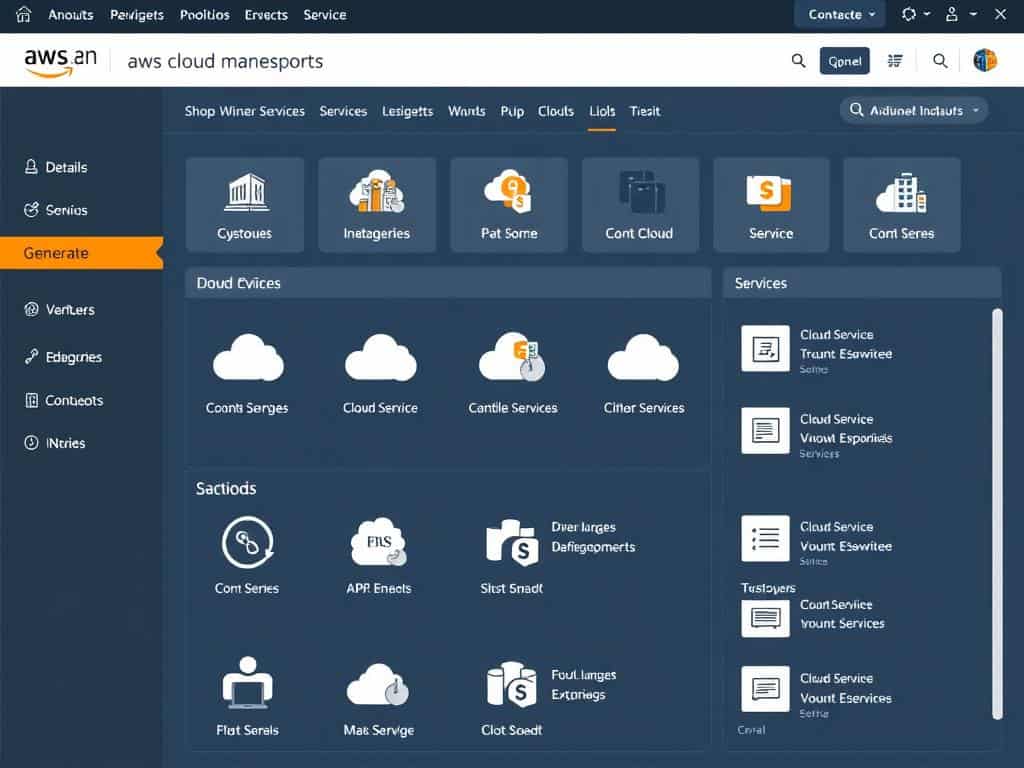
Amazon Web Services (AWS) is the pioneer and market leader in cloud computing, offering over 200 services, including computing, storage, databases, analytics, and machine learning. AWS provides a highly scalable and secure infrastructure that supports businesses of all sizes. Its extensive service portfolio includes Amazon EC2 for computing, Amazon S3 for storage, and Amazon RDS for database management. With a strong focus on innovation, AWS continues to expand its service offerings, making it a preferred choice for enterprises looking to leverage cloud technology.
Microsoft Azure
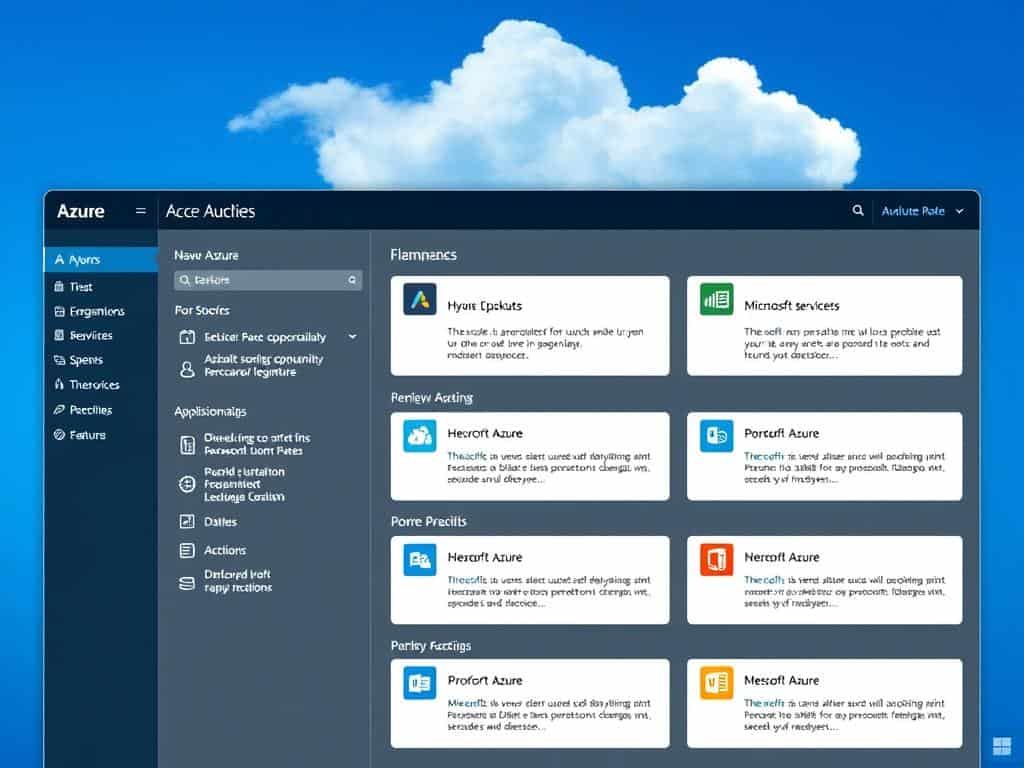
Microsoft Azure is the second-largest cloud service provider, closely following AWS. It offers a comprehensive suite of cloud services, including computing, storage, networking, and artificial intelligence. Azure’s strength lies in its hybrid cloud capabilities, allowing businesses to integrate their on-premises environments with the cloud seamlessly. Key services include Azure Virtual Machines, Azure Blob Storage, and Azure Kubernetes Service. Azure’s integration with Microsoft’s ecosystem, such as Office 365 and Dynamics, makes it an attractive option for enterprises already invested in Microsoft products.
Google Cloud Platform
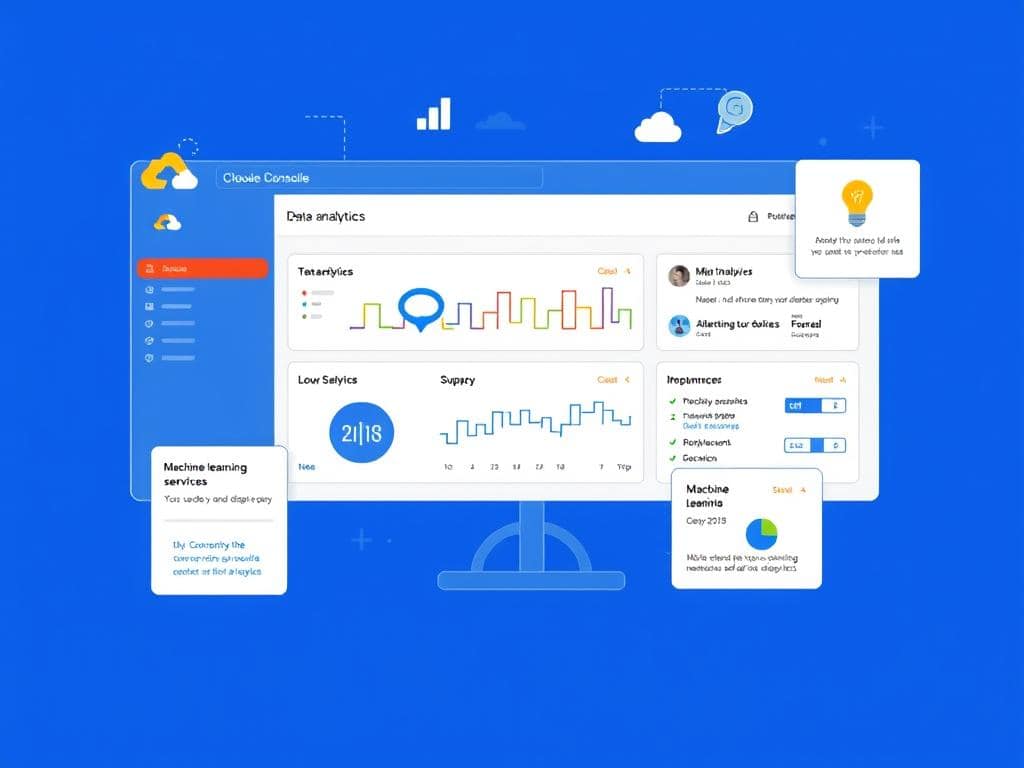
Google Cloud Platform (GCP) is the third major public cloud provider, leveraging Google’s robust infrastructure and expertise in data analytics and machine learning. GCP offers a range of services, including Compute Engine, Cloud Storage, and BigQuery. Its strengths include a global network infrastructure, advanced data analytics capabilities, and leadership in Kubernetes and container technologies. GCP’s commitment to renewable energy and sustainability is a significant differentiator. With its competitive pricing model, including sustained use discounts, GCP is an attractive choice for businesses looking to optimize their cloud costs.
Cloud Computing Security and Privacy
As we increasingly rely on cloud computing, understanding its security and privacy implications becomes crucial. Cloud computing offers numerous benefits, but it also introduces new security challenges that organizations must address to protect their data and maintain compliance.
Common Security Concerns
Cloud computing environments face various security threats, including data breaches, unauthorized access, and malicious activity. Data encryption is a critical measure to prevent unauthorized access to sensitive information. Identity management systems play a vital role in distinguishing between authorized and unauthorized users, determining the amount of data accessible to each entity.
The Shared Responsibility Model
The shared responsibility model is a framework that outlines the security responsibilities of both cloud providers and their customers. While cloud providers secure the underlying infrastructure, customers are responsible for securing their data and applications. Understanding this model is essential for effective security management in cloud environments.
Best Practices for Cloud Security
To secure cloud environments, organizations should implement best practices such as strong identity and access management (IAM) policies, data encryption both in transit and at rest, and continuous monitoring for security events. Implementing secure DevOps practices (DevSecOps) and conducting regular security assessments are also crucial. By following these practices, organizations can significantly enhance their cloud security posture.
Effective cloud security also involves network security considerations, including virtual private clouds, security groups, and network access controls. Developing incident response plans tailored for cloud environments is essential for responding to security incidents effectively.
Challenges and Limitations of Cloud Computing
Despite its numerous benefits, cloud computing is not without its limitations and challenges. As organizations increasingly rely on cloud services, understanding these challenges is crucial for successful implementation and operation.
Technical Challenges
Technical challenges in cloud computing include issues related to downtime, data migration, and integration with existing systems. Ensuring the reliability and performance of cloud services is critical, as any disruption can have significant impacts on business operations. According to a recent report, the average cost of a data center outage is around $8,000 per minute, highlighting the importance of reliable service from cloud providers.
Compliance and Regulatory Issues
Cloud computing also raises compliance and regulatory issues. Organizations must ensure that their cloud providers comply with relevant laws and regulations, such as GDPR and HIPAA. This involves understanding the cloud provider’s data handling practices and ensuring they meet the necessary standards. As one expert noted, “The cloud is not a magic solution to compliance; it’s just a different way of deploying IT resources.”
Service Level Agreements (SLAs)
SLAs are critical in defining the expected service quality and availability from cloud providers. However, these agreements often come with limitations and exclusions, such as downtime resulting from external factors or planned maintenance. Customers must carefully review SLAs and understand how agreements are enforced and compensated. As an example, a cloud provider may offer guarantees for uptime but exclude certain events from these guarantees.

It’s essential for organizations to monitor SLA compliance and file claims for any unmet SLAs within the designated timeframe. Understanding the difference between infrastructure SLAs and application-level SLAs is also crucial, as is evaluating the cloud provider’s ability to meet these agreements.
Cloud Migration Strategies
Cloud migration involves more than just transferring data; it demands a strategic approach to ensure a smooth transition and optimal use of cloud resources.
Assessment and Planning
The first step in any successful cloud migration is a thorough assessment and planning phase. This involves understanding the existing infrastructure, identifying the applications and data to be migrated, and determining the most suitable cloud deployment model. Careful planning helps in anticipating potential challenges, such as compatibility issues and data security risks.
Implementation Approaches
There are several implementation approaches to cloud migration, including lift-and-shift, re-platforming, and re-architecting. The choice of approach depends on the organization’s goals, the complexity of the applications, and the need for minimizing downtime. A phased migration is often recommended to manage risks and reduce the impact on business operations.
Common Migration Challenges
Organizations face various challenges during cloud migration, including managing large volumes of data, ensuring data integrity, and maintaining security. Other challenges include minimizing downtime for business-critical applications, managing the complexity of migration, and addressing security concerns. Effective planning and the right migration strategy can help mitigate these challenges.
By understanding these challenges and adopting best practices, organizations can achieve a successful cloud migration that enhances their operational efficiency and scalability.
Cloud Computing Use Cases
Cloud computing is being utilized in multiple facets of modern business, from development to deployment. Its versatility and scalability make it an ideal solution for various industries and applications.
Enterprise Applications
Cloud computing supports a wide range of enterprise applications, enabling businesses to streamline their operations and improve efficiency. By leveraging cloud-based services, enterprises can reduce their infrastructure costs and enhance their scalability. This allows them to focus on their core business values rather than maintaining infrastructure.
Data Storage and Backup
Cloud computing provides robust data storage and backup solutions, ensuring that businesses can securely store and manage their data. Cloud-based storage solutions offer high availability and durability, making it easier for businesses to recover their data in case of an outage or disaster.
Development and Testing
Cloud computing has transformed development and testing practices by providing on-demand environments and resources. Cloud platforms enable developers to quickly provision development and test environments that closely match production, improving software quality and reducing environment-related issues. This supports modern DevOps practices, including continuous integration and continuous delivery (CI/CD) pipelines, and facilitates collaborative deployment of applications.
Managing Cloud Costs
To fully leverage cloud computing, organizations must prioritize cloud cost management. Effective cloud cost management involves not only optimizing resources but also avoiding common pitfalls that can lead to unexpected expenses.
Cost Optimization Strategies
Organizations can adopt several strategies to optimize their cloud costs. First, implementing a robust cost monitoring system is crucial. Tools like AWS Cost Explorer and Azure Cost Management provide detailed insights into cloud spending, enabling organizations to identify areas for cost reduction. Second, rightsizing resources is essential; this involves matching resource capacities to actual workload demands, thereby avoiding overprovisioning. Finally, leveraging reserved instances and committed use discounts can significantly reduce costs for predictable workloads.
FinOps, or Cloud Financial Operations, is an emerging framework that standardizes financial operations in the cloud. It promotes collaboration between finance, technology, and business teams to manage cloud costs effectively. By adopting FinOps practices, organizations can achieve better visibility into their cloud spending and make informed decisions to optimize their cloud resources.
Avoiding Common Cost Pitfalls
Despite the benefits of cloud computing, organizations often encounter cost pitfalls. One common issue is “cloud sprawl,” where resources proliferate without adequate oversight, leading to unnecessary costs. To avoid this, organizations should implement governance and approval processes to control spending. Another pitfall is ignoring cloud cost architecture during application design, which can result in inefficient resource utilization. Additionally, failing to plan for data transfer costs, particularly egress charges, can lead to significant unexpected expenses. By understanding these pitfalls and implementing appropriate measures, organizations can better manage their cloud costs and achieve their budget goals.
The Future of Cloud Computing
As we look ahead, the future of cloud computing is poised to reshape the landscape of IT and business. The next few years will be crucial in determining how cloud computing evolves to meet the changing needs of businesses and industries.
Emerging Technologies and Trends
The boundary between cloud and edge computing will continue to blur, creating a continuum of computing resources from centralized data centers to the network edge. This evolution will enable more efficient data processing and reduce latency. Cloud computing will also enable and accelerate other transformative technologies like autonomous systems, digital twins, and immersive experiences.
Predictions for Cloud Evolution
I predict that cloud pricing models will evolve toward more granular, consumption-based approaches that align costs precisely with value delivered. Cloud providers will increasingly differentiate through specialized services and industry solutions rather than commodity infrastructure. The future of cloud computing will also be shaped by maturing regulatory frameworks globally, potentially creating both challenges and opportunities for providers and customers. As cloud adoption matures, cloud skills and organizational structures will evolve, enabling innovation across organizations of all sizes and in all regions, driving industry transformation.
Conclusion
Having traversed the landscape of cloud computing, from its definition to its future prospects, it’s evident that this technology is a cornerstone of modern business. Throughout this comprehensive guide, we’ve explored the various facets of cloud computing, including its deployment models, service types, benefits, and challenges.
The evolution of cloud computing from a novel concept to an essential foundation for digital business transformation has been remarkable. Its benefits, including cost efficiency, scalability, and flexibility, have made it an attractive option for organizations seeking to innovate and stay competitive.
However, adopting cloud solutions also requires careful consideration of security, compliance, and cost management. There’s no one-size-fits-all approach to cloud adoption, and organizations must strategically plan and govern their cloud computing investments to maximize value while minimizing risks.
As we look to the future, it’s clear that cloud computing will continue to shape the landscape of technology and business. I encourage readers to approach cloud adoption as a journey, requiring ongoing learning, optimization, and adaptation to realize its full potential.