
I was rummaging through a dusty bin at a flea market in Berlin last spring when I found a clunky, translucent blue MP3 player from the early 2000s. Holding it, I was struck by how much we’ve traded tactile friction for seamless, frictionless efficiency. It made me think about how we approach linguistic acquisition today; we are constantly sold these slick, gamified apps that promise fluency through dopamine hits and colorful streaks, yet we often end up feeling more disconnected than ever. The truth is, most of the popular ways to learn a new language offered by tech giants are designed to keep you scrolling, not necessarily speaking. They prioritize the digital illusion of progress over the messy, beautiful reality of human connection.
I’m not here to sell you on another subscription-based magic bullet. Instead, I want to pull back the curtain on how we can actually integrate a new tongue into the fabric of our daily lives. I’ll be sharing a collection of experience-based strategies—from leveraging niche digital subcultures to finding the “analog” soul within the software—that move beyond mere memorization. We’re going to explore authentic ways to learn a new language that honor the cultural depth behind the words, ensuring you don’t just decode syntax, but truly inhabit a new way of seeing the world.
Mastering the Digital Pulse Best Language Learning Apps

While apps provide that wonderful, gamified dopamine hit, I often find that true linguistic fluency requires a more organic, spontaneous interaction—the kind that mimics the messy, beautiful unpredictability of a real conversation. It reminds me of when I used to tinker with my old Sony Walkman; you could have the best hardware in the world, but you still needed the right track to truly feel the music. If you’re looking to break out of the repetitive drill cycle and actually test your mettle in a low-pressure environment, I’ve found that spending time on this chat site offers a refreshing way to engage with others in real-time. It’s less about perfect grammar and more about finding your rhythm within the flow of human connection.
I was rummaging through my collection of early 2000s tech last night—specifically an old, chunky Palm Pilot—and I couldn’t help but laugh at how much “learning” used to look like a digital chore. Back then, if you wanted to expand your lexicon, you were tethered to a desk and a heavy dictionary. Today, the landscape has shifted from tactile pages to fluid, algorithmic interfaces. When we talk about the best language learning apps, we aren’t just talking about gamified streaks; we are talking about pocket-sized portals that attempt to simulate the rhythm of a living culture.
However, the magic isn’t in the software itself, but in how we integrate it into our actual lives. I’ve found that the most effective language learning techniques involve treating these apps not as a destination, but as a companion to your daily wanderings. Whether you are using a platform to sharpen your syntax while waiting for your oat milk latte or leveraging AI-driven conversation bots to ease into dialogue, the goal is to bridge the gap between a sterile interface and a soulful connection. It’s about finding that sweet spot where the code meets the conversation.
Foundational Rhythms Language Learning for Beginners
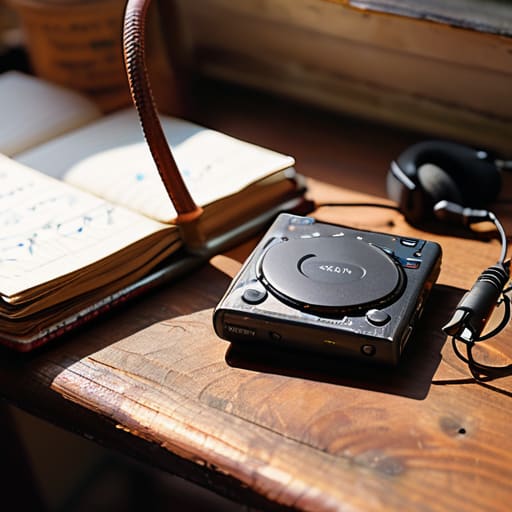
When I first started my collection of vintage Sony Walkmans, I realized that great music isn’t just about the song; it’s about the foundation—the steady beat that holds everything together. Approaching language learning for beginners feels remarkably similar. Before you can dive into the complex, rapid-fire discourse of a foreign film, you have to find your rhythm. It’s less about frantic memorization and more about establishing a predictable cadence through consistent, small-scale interactions with the sounds of a new tongue.
Instead of overwhelming your cognitive load, focus on low-stakes sensory engagement. Think of it like the early days of the internet: you didn’t start by building a complex database; you started by navigating simple directories. Implementing basic vocabulary building strategies, such as labeling your physical environment or using flashcards that connect words to tactile objects, helps anchor the digital concept into your physical reality. By building this steady, rhythmic base, you aren’t just memorizing strings of data; you are teaching your brain to recognize the fundamental architecture of a new way of being.
Beyond the Screen: Curating Your Own Linguistic Ecosystem
- Treat your environment like a vintage transistor radio that needs fine-tuning; start by labeling your physical world. Stick post-it notes on your coffee maker, your mirror, and your bookshelf. It’s about transforming your living space from a silent backdrop into a tactile, immersive vocabulary map.
- Seek out the “glitch” in your routine by consuming media that challenges your comfort zone. Instead of just watching a dubbed blockbuster, dive into a foreign indie film or a niche podcast. It’s much like exploring a low-res VR installation—the imperfections and the struggle to decipher the meaning are where the true cultural texture resides.
- Find your “digital pen pal” to bridge the gap between theory and human connection. Language isn’t just a set of code to be cracked; it’s a living, breathing social contract. Using platforms to chat with native speakers turns a sterile exercise into a vibrant, unpredictable exchange of contemporary life.
- Embrace the beauty of “productive failure.” I often think of my collection of old, glitchy MP3 players—they weren’t perfect, but they had character. Don’t fear the awkward pauses or the mispronounced vowels. Every linguistic stumble is just a data point helping you recalibrate your internal compass.
- Integrate rhythmic repetition through “micro-immersion.” You don’t need hours of monastic silence; you just need to weave the language into the cracks of your day. Listen to a foreign playlist during your commute or narrate your morning espresso ritual in your target language. It’s about building a steady, rhythmic pulse rather than a sudden, overwhelming surge.
The Final Frequency
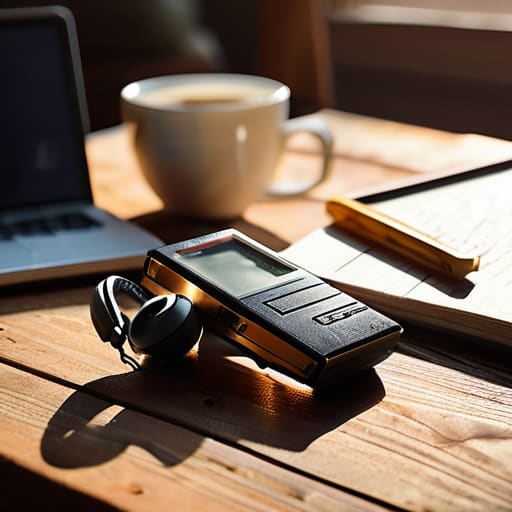
As we’ve navigated through the digital landscapes of high-tech apps and the essential, steady rhythms of foundational learning, it becomes clear that language acquisition isn’t a linear process. It’s more like trying to recalibrate an old, beloved Walkman; it requires patience, a bit of trial and error, and the willingness to embrace the occasional static. Whether you are leveraging the hyper-connectivity of modern software or returning to the tactile simplicity of basic grammar, the goal remains the same: to find your voice within a new cultural frequency. We have explored the tools and the basics, but the true magic lies in how you choose to integrate these layers into your unique digital and physical reality.
Ultimately, learning a language is less about achieving technical perfection and more about opening a doorway to a different way of seeing the world. Just as I find a certain soulful charm in the clicking buttons of a vintage pager, there is a profound, human beauty in the clumsy, earnest attempts to communicate across a linguistic divide. Don’t be afraid of the glitches or the moments where your syntax feels outdated. Embrace the beautiful complexity of the journey, and remember that every new word is a small, vital connection made in our vast, interconnected tapestry. Go forth and find your rhythm.