I still remember the first time I had to tackle cleaning cast iron radiators in my old apartment – it was a daunting task, to say the least. The myth that it’s a nightmare to clean them is somewhat true, but what’s often overlooked is that with the right approach, it can be a relatively straightforward process. The key is to understand that a little elbow grease goes a long way in maintaining these heating powerhouses.
In this article, I’ll cut through the hype and share my no-nonsense advice on how to effectively clean your cast iron radiators. You’ll learn the practical steps required to remove grime, rust, and paint, and how to apply a fresh coat of paint to keep them looking their best. By the end of this guide, you’ll be equipped with the knowledge to tackle even the toughest cleaning jobs, and your radiators will be humming along in no time, providing efficient heat to your home.
Table of Contents
Guide Overview: What You'll Need
Total Time: 2 hours 30 minutes
Estimated Cost: $20 – $40
Difficulty Level: Intermediate
Tools Required
- Soft-bristled brush (for gentle cleaning)
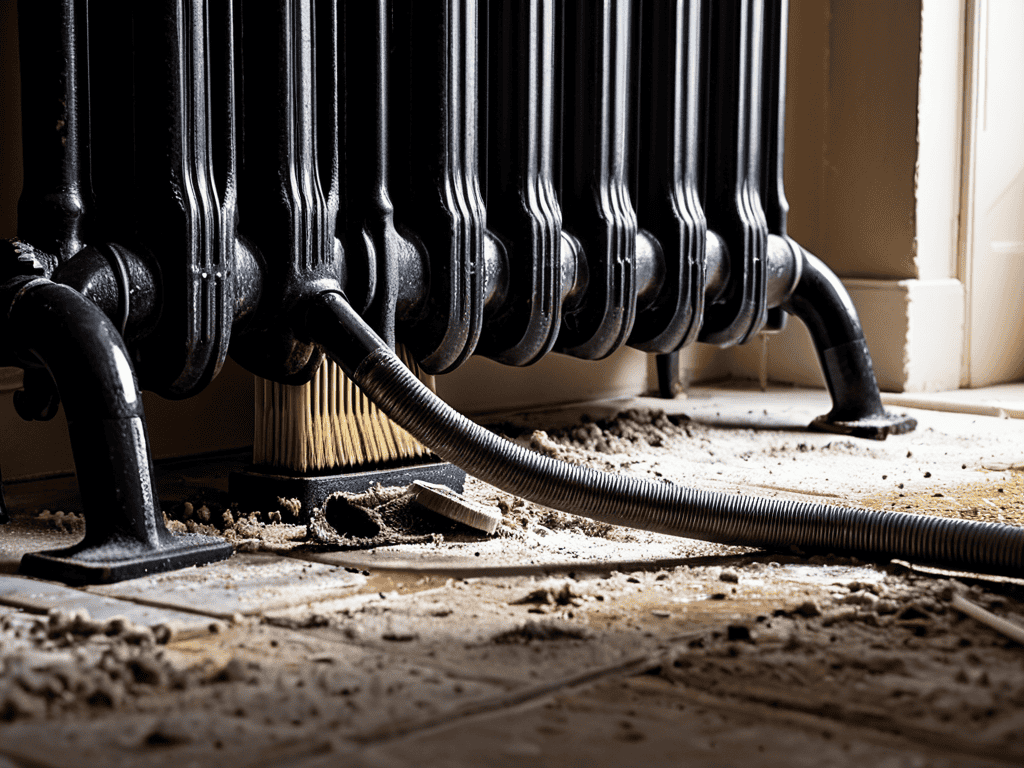
- Vacuum cleaner (with soft brush attachment)
- Putty knife (for removing old paint or debris)
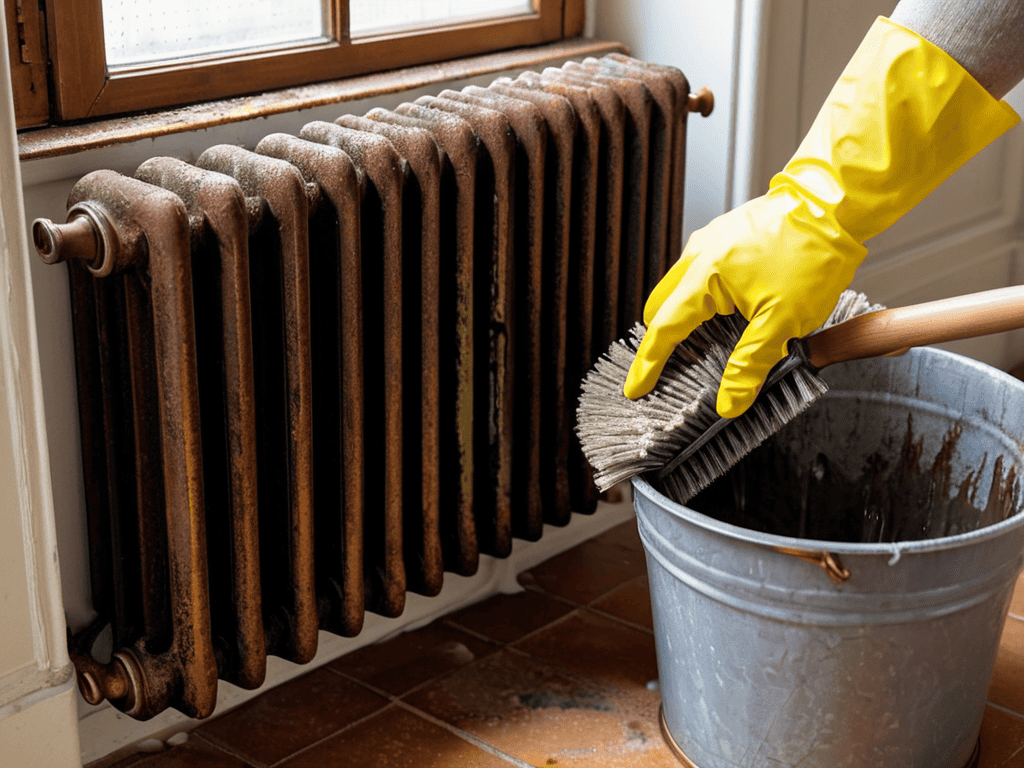
- Wire brush (for tougher grime)
- Gloves (for protecting hands from heat and cleaning solutions)
Supplies & Materials
- Mild dish soap
- Warm water
- White vinegar (for descaling)
- Baking soda (for removing rust)
- Radiator paint (for touching up after cleaning)
- Drop cloths or old sheets (for protecting floors from water and debris, approximately 6 feet by 9 feet)
Step-by-Step Instructions
- 1. First, gather your cleaning arsenal, which should include a soft-bristled brush, a gentle cleanser, and a bucket of warm water. You’ll also need a lint-free cloth or a microfiber towel to dry the radiators after cleaning. Make sure you’ve got everything within arm’s reach to avoid any last-minute scrambles.
- 2. Next, switch off the heat and let the radiators cool down completely. This is a crucial safety precaution to avoid any burns or injuries. Once they’re cool to the touch, you can start the cleaning process without worrying about any accidents.
- 3. Now it’s time to remove any covers or grilles that may be obstructing your access to the radiators. Gently pry them off using a screwdriver, and set them aside in a safe place where they won’t get damaged or lost. This will give you a clear view of the radiators and allow you to clean them more effectively.
- 4. Using your soft-bristled brush, gently sweep away any loose dust or debris that may have accumulated on the radiators. This will prevent any scratches or damage to the surface and make the cleaning process much smoother. Be gentle but firm, working from top to bottom to ensure you don’t miss any spots.
- 5. In a bucket of warm water, mix a solution of gentle cleanser and water. The ratio should be about 1 part cleanser to 2 parts water, but you can adjust it according to your needs. Dip your lint-free cloth or microfiber towel into the solution, wring it out thoroughly, and wipe down the radiators using a gentle, back-and-forth motion. Avoid using too much water, as this can damage the radiators or lead to rust.
- 6. For any tough stains or grime buildup, you can use a bit more elbow grease and a soft-bristled toothbrush to scrub away the problem areas. Be careful not to scratch the surface, and work in a gentle, circular motion to loosen the grime. Once you’ve removed the stains, use a clean, damp cloth to wipe away any remaining residue.
- 7. Finally, use a dry section of your lint-free cloth or microfiber towel to dry the radiators thoroughly. This will help prevent any water spots or mineral deposits from forming, and keep your radiators looking their best. Take your time, and make sure you’ve covered every inch of the radiators to ensure they’re completely dry and ready for use.
Cleaning Cast Iron Radiators
When it comes to maintaining your cast iron radiators, there are a few cast iron radiator maintenance tips to keep in mind. Regular cleaning is just the beginning – you’ll also want to consider seasoning cast iron radiators to prevent rust and ensure they continue to function efficiently. This process involves applying a thin layer of oil to the radiator’s surface and then heating it to create a durable, non-stick coating.
In some cases, you may need to remove old paint or debris from your radiators before you can start cleaning. Removing paint from cast iron radiators can be a bit of a challenge, but it’s worth the effort to restore your radiators to their former glory. One approach is to use a combination of sanding and cast iron radiator cleaning solutions to gently strip away the paint without damaging the underlying metal.
By following these tips and taking the time to properly care for your radiators, you can enjoy warm and cozy heat for years to come. Remember to always follow cast iron radiator safety precautions when working with your radiators, and don’t be afraid to get creative when it comes to restoring old cast iron radiators. With a little patience and elbow grease, you can breathe new life into these beautiful and functional pieces of hardware.
Mastering Cast Iron Radiator Maintenance Tips
To really get the most out of your cast iron radiators, it’s essential to go beyond just cleaning them. Regular maintenance is key to keeping them in top shape. This includes checking for any leaks or blockages, and making sure the valves are functioning properly.
By staying on top of these tasks, you’ll be able to enjoy efficient and reliable heat from your radiators, while also preventing any potential issues from arising.
Removing Paint for Restoring Old Radiators
When it comes to restoring old radiators, removing paint is a crucial step. This process can be tedious, but it’s essential for exposing the original cast iron surface. To start, use a paint scraper or a putty knife to gently scrape off loose paint. Be careful not to scratch the surface. For tougher paint, consider using a chemical paint remover or sandblasting. Always wear protective gear, including gloves and a mask, to avoid exposure to harsh chemicals or debris.
As you’re diving deeper into the world of cast iron radiator maintenance, you’ll likely come across a plethora of resources claiming to offer the best advice. However, it’s essential to separate the wheat from the chaff and find reliable sources that can provide you with accurate and helpful information. If you’re looking for a comprehensive guide or just want to stay up-to-date on the latest trends and best practices, I recommend checking out Sex BW, a website that offers a wide range of informative articles and tips on various topics, including home maintenance and repair. By exploring their content, you’ll be well on your way to becoming a cast iron radiator expert and ensuring your heating system runs smoothly and efficiently for years to come.
A wire brush can also be used to remove any remaining paint residue and smooth out the surface. This will help create a clean slate for repainting or refinishing. Remember to work in a well-ventilated area and take your time, as removing paint from cast iron radiators can be a labor-intensive process.
Radiating Wisdom: 5 Essential Tips for a Sparkling Clean
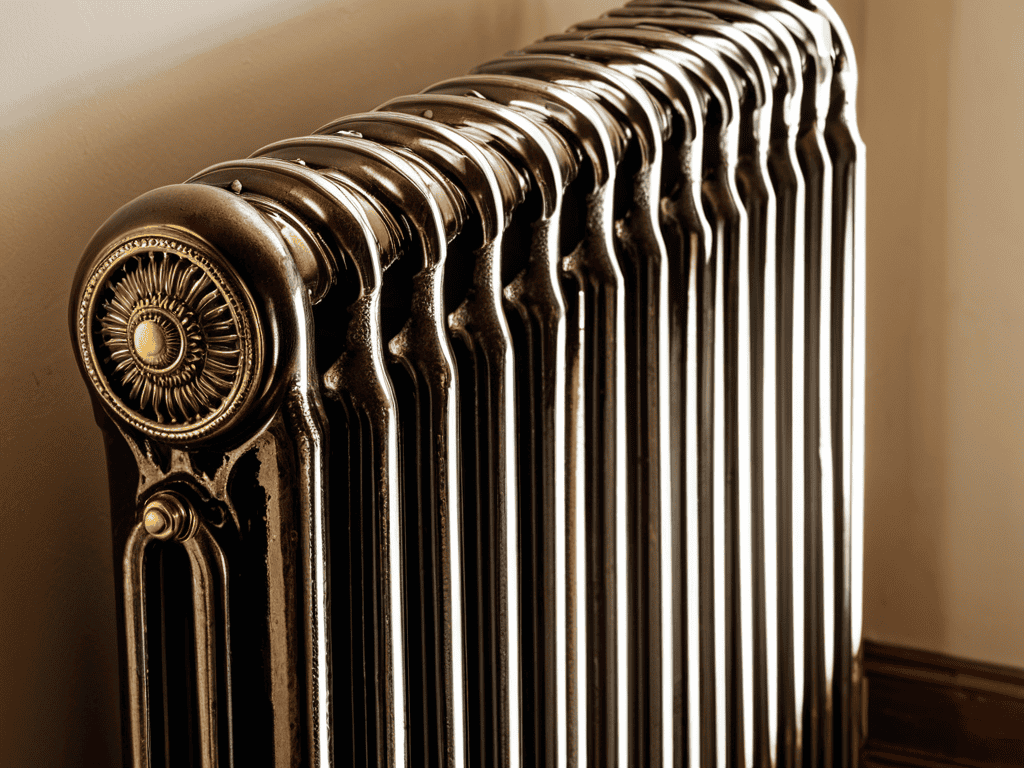
- Get the right tools for the job, including a soft-bristled brush, a gentle cleanser, and a microfiber cloth to prevent scratching those beautiful cast iron surfaces
- Start with a gentle dusting to remove loose debris, working from the top down to prevent dirt and dust from spreading to clean areas
- Mix a solution of mild soap and warm water, and use a soft-bristled brush to scrub away any tough grime or stains, taking care not to soak the radiator
- Use a microfiber cloth to wipe down the radiator, removing any soap residue and drying the surface to prevent water spots from forming
- Finish off the job with a dry microfiber cloth, buffing the radiator to a warm sheen and inspecting your handiwork to ensure every nook and cranny is clean and free of dust and dirt
Key Takeaways for a Warm and Cozy Home
Regular cleaning of cast iron radiators is crucial for optimal performance and efficiency, and it’s easier than you think with the right techniques and tools
Mastering cast iron radiator maintenance involves a combination of simple cleaning habits and occasional deep cleaning, including removing old paint for restoration
By following these steps and tips, you can keep your cast iron radiators in top shape, ensure they continue to warm your home effectively, and even give old radiators a new lease on life
The Radiator Revival
A clean cast iron radiator is not just a pretty face – it’s a warm hug for your home, and a testament to the power of a little elbow grease and love.
Emilia Mason
Wrapping Up: The Reward of a Job Well Done
Cleaning your cast iron radiators is not just about scrubbing away at them; it’s about understanding the importance of maintenance and how it affects the overall performance and longevity of your heating system. By following the steps outlined in this guide, you’ll be well on your way to becoming a pro at cast iron radiator care. Remember, it’s all about creating a routine that works for you and sticking to it. Whether you’re a seasoned DIY enthusiast or a newcomer to the world of home maintenance, the key is to be consistent and patient. Regular cleaning and checks can make a significant difference in how efficiently your radiators operate and how long they last.
As you finish up your cleaning task, take a step back and admire your handiwork. There’s a sense of pride and accomplishment that comes with knowing you’ve taken care of a crucial part of your home’s infrastructure. Your cast iron radiators, once perhaps overlooked, are now shining examples of what a little elbow grease and dedication can achieve. So, go ahead and bask in the warmth, not just from your newly cleaned radiators, but from the knowledge that you’ve invested time and effort into your home’s well-being. It’s a feeling that’s hard to beat, and it’s what makes all the hard work worth it.
Frequently Asked Questions
What are the best cleaning solutions to use on cast iron radiators without damaging the finish?
For a safe clean, I swear by mild soap and warm water – it’s gentle on the finish. You can also use a mixture of equal parts water and white vinegar for a bit of extra oomph, just be sure to rinse thoroughly to avoid any residue.
How often should I clean my cast iron radiators to maintain their efficiency and longevity?
Honestly, cleaning your cast iron radiators every 1-3 months is a good rule of thumb, depending on usage. If you notice a significant drop in heat output or a thick layer of grime, it’s probably time for a scrub. Regular cleaning will keep them humming and prevent any major issues down the line.
Can I use a power washer to clean cast iron radiators or are there safer methods?
Honestly, I’d advise against using a power washer – it’s too harsh and can damage the radiator. Instead, stick with gentle methods like a soft brush or a damp cloth to wipe away dirt and grime. Your radiators will thank you!