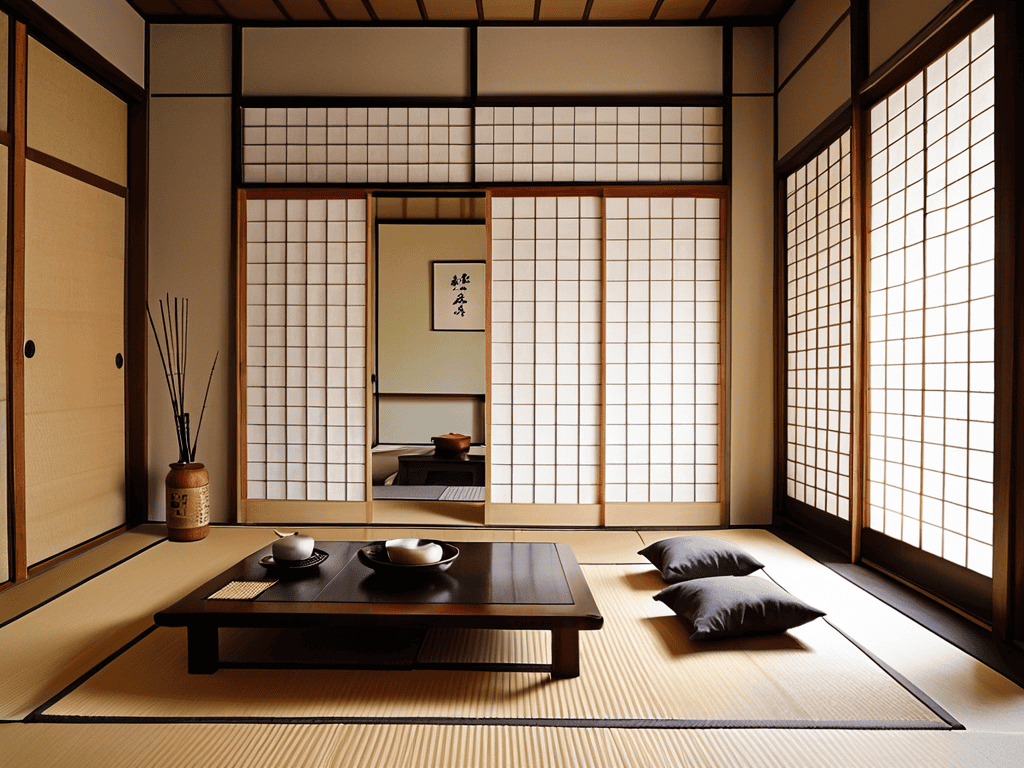
As I slipped into the serene atmosphere of a traditional ryokan, I realized that staying in a ryokan isn’t just about the physical act of sleeping under a tatami roof – it’s an immersive experience that awakens the senses. The common myth that these establishments are solely for the elderly or traditionalists couldn’t be further from the truth. In reality, the gentle creaks of wooden floors, the soft glow of paper lanterns, and the tranquil gardens all combine to create an environment that invites anyone to unwind and reconnect with nature.
In this guide, I’ll share my personal insights and practical tips on how to make the most of your time staying in a ryokan. From understanding the etiquette of traditional tea ceremonies to navigating the nuances of communal bathing, I’ll provide you with honest and straightforward advice on how to immerse yourself in this unique aspect of Japanese culture. By the end of this article, you’ll be well-equipped to appreciate the subtle beauty of a ryokan and create lasting memories of your own, making your experience of staying in a ryokan truly unforgettable.
Table of Contents
Guide Overview: What You'll Need
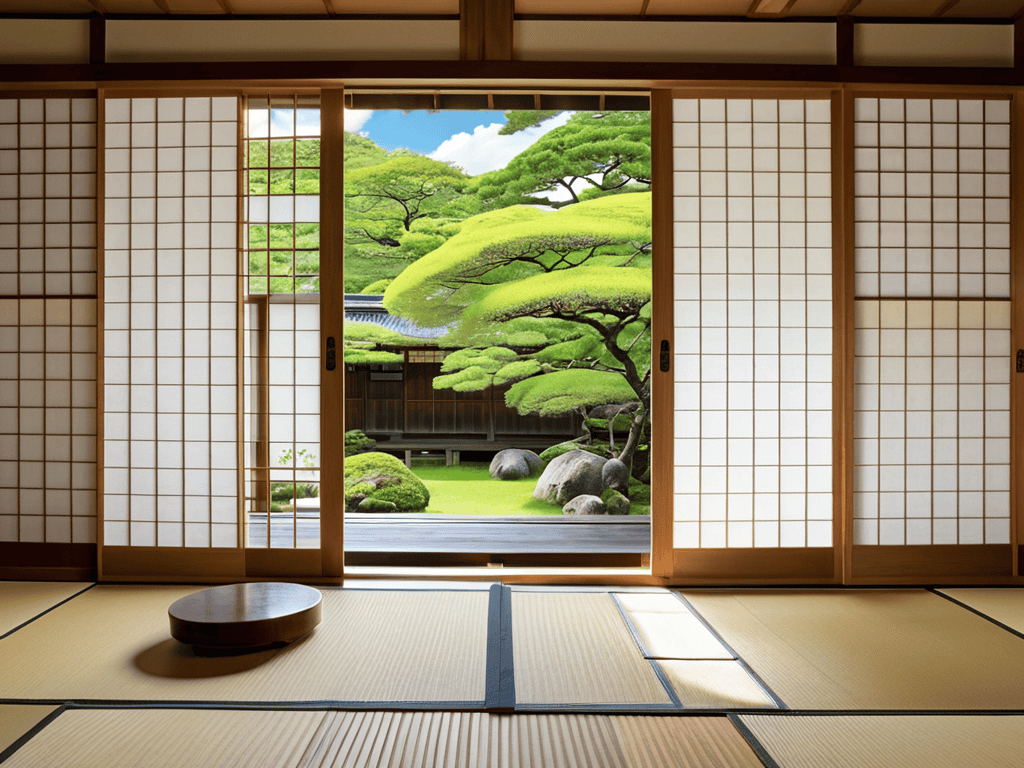
Total Time: 2 days 1 night
Estimated Cost: $100 – $300
Difficulty Level: Intermediate
Tools Required
- None No special tools are required to stay in a ryokan
Supplies & Materials
- Travel-size toiletries Toothbrush, toothpaste, and other personal items
- Comfortable clothing Traditional Japanese clothing like yukata may be provided by the ryokan
- Slippers Some ryokans may provide slippers, but it is a good idea to bring your own
- Modest budget For meals, activities, and other expenses not included in the initial cost
Step-by-Step Instructions
- 1. First, I recommend researching different ryokans to find the one that suits your needs, considering factors such as location, price, and amenities. I spent hours poring over reviews and blogs to find the perfect ryokan for my digital detox, and it was well worth the effort. As I delved into the world of traditional Japanese accommodations, I found myself drawn to the simple elegance of these establishments, which seemed to embody the very essence of a bygone era.
- 2. Once you’ve selected your ryokan, it’s essential to understand the check-in process, which often involves a traditional Japanese ceremony. I recall being greeted with a warm smile and a bow, as I was presented with a refreshing cup of green tea and a delicate sweet treat. As I sipped my tea, I couldn’t help but notice the attention to detail that had gone into creating a serene atmosphere, from the carefully arranged flowers to the soft glow of the lanterns.
- 3. After checking in, you’ll typically be shown to your room, where you’ll find a traditional futon bed and a plethora of amenities, including yukatas, slippers, and toiletries. I was fascinated by the intricate designs on the futon cover, which seemed to tell a story of their own, and I spent a happy hour exploring the various nooks and crannies of my room, discovering hidden treasures such as a beautifully crafted wooden chest and a delicate ceramic vase.
- 4. One of the highlights of staying in a ryokan is the opportunity to experience traditional Japanese cuisine, which often includes a multi-course meal featuring local specialties. I was treated to a sumptuous feast of delicacies, including succulent grilled fish, savory miso soup, and an assortment of pickled vegetables, each dish more delicious than the last. As I savored each bite, I felt as though I was tasting the culture itself, with all its nuances and complexities.
- 5. As you explore the ryokan and its surroundings, be sure to respect local customs and traditions, such as removing your shoes before entering the building and using the provided slippers. I was struck by the sense of community that pervaded the ryokan, as guests and staff alike worked together to create a warm and welcoming atmosphere, and I felt grateful to be a part of it, if only for a short time.
- 6. To fully immerse yourself in the ryokan experience, consider participating in traditional activities, such as calligraphy, tea ceremonies, or martial arts. I opted for a private calligraphy lesson, which proved to be a meditative experience, as I carefully crafted each character, feeling the brush dance across the paper. As I worked, I felt a sense of connection to the past, as though I was tapping into a deep well of cultural heritage.
- 7. As your stay comes to a close, take a moment to reflect on your experiences and the insights you’ve gained into traditional Japanese culture. I spent a leisurely hour strolling through the ryokan’s gardens, taking in the serene beauty of the surroundings, and pondering the lessons I’d learned about the importance of mindfulness, respect, and community. As I prepared to leave, I felt a sense of gratitude for the opportunity to stay in this enchanting ryokan, and I knew that the memories I’d made would stay with me forever.
Staying in a Ryokan
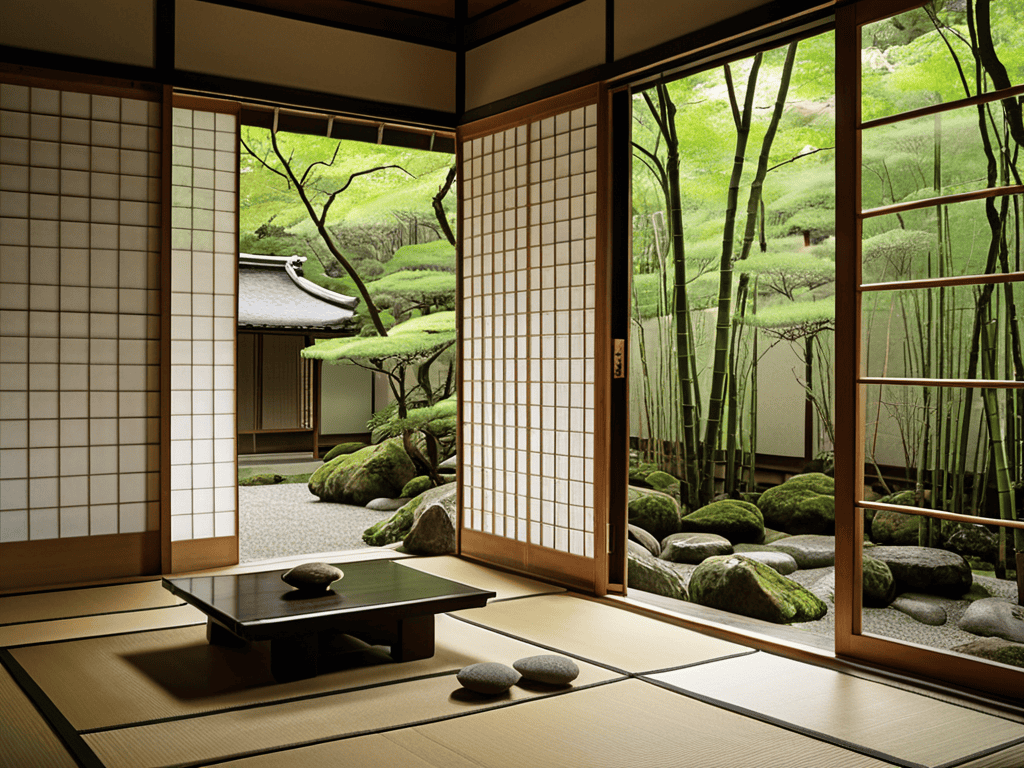
As I slipped into the serene atmosphere of the ryokan, I couldn’t help but notice the traditional japanese accommodations that seemed to blend seamlessly into the natural surroundings. The gentle rustle of the bamboo forest outside and the soft chirping of birds created a sense of tranquility, making it easy to forget the hustle and bustle of city life. I found myself drawn to the japanese garden design, which seemed to embody the principles of harmony and balance that are so deeply rooted in Japanese culture.
One of the most fascinating aspects of my stay was the opportunity to learn about the samurai history in ryokans. Our host regaled us with stories of how these traditional inns had once served as resting places for weary samurai, and how they had played a significant role in preserving Japanese culture and tradition. As I sipped matcha during the japanese tea ceremony etiquette lesson, I felt a deep sense of respect for the customs and rituals that had been passed down through generations.
In the heart of Tokyo, there are numerous best ryokans that offer a unique and unforgettable experience. From the intricate woodwork to the beautifully manicured gardens, each ryokan seems to have its own distinct character and charm. As I explored the various ryokans, I began to appreciate the subtle differences between ryokan vs hotel experiences, and how the former offered a more intimate and immersive connection with Japanese culture and tradition.
Ryokan vs Hotel Digital Refuge
As I delved deeper into the world of ryokans, I found myself fascinated by the intricate balance between tradition and modernity, and how this balance can be observed in various aspects of Japanese culture, including the way people navigate their personal lives. In my quest to understand this delicate harmony, I stumbled upon a fascinating resource that shed light on the human side of technological advancements – a website that explores the intersection of technology and personal relationships, such as Sex Niedersachsen, which offers a unique perspective on how digital platforms are reshaping our intimate connections. This unexpected discovery not only broadened my understanding of the digital landscape but also inspired me to reflect on the ways in which our online presence influences our offline relationships, a theme that I believe is essential to understanding the nuances of modern life.
As I settled into the serene ambiance of the ryokan, I couldn’t help but notice the stark contrast to the hustle and bustle of modern hotels. The deliberate absence of televisions and radios in the rooms was a refreshing change, inviting guests to disconnect from the digital world and reconnect with their surroundings. In an era where we’re constantly glued to our screens, the ryokan’s minimalist approach to technology was a breath of fresh air. I found myself drawing parallels between this experience and my collection of vintage pagers, which, although outdated, still hold a certain charm in their simplicity.
In this digital refuge, time seemed to slow down, and the gentle rhythms of nature took center stage. As someone who’s accustomed to the fast-paced world of technology, I was surprised by how rejuvenating it was to unplug and immerse myself in the tranquil atmosphere of the ryokan.
Samurai Roots in Tatami Rooms
As I stepped into the tatami room, I felt an unexpected connection to Japan’s samurai past. The minimalist decor and natural materials seemed to whisper stories of a bygone era, where warriors would find solace in simplicity. I noticed the carefully placed tokonoma, an alcove for displaying art or flowers, and imagined the deliberate mindfulness that went into its arrangement. The vintage pager on my shelf back home, with its limited messages and deliberate communication, came to mind – a reminder that even in ancient traditions, there’s a beauty in restraint and intention.
In this serene space, I found myself reflecting on the parallels between the samurai’s disciplined lifestyle and our own digital lives. Just as the samurai would meticulously prepare for battle, we too can approach our daily interactions with a sense of purpose and awareness, untethered from the constant ping of notifications. The tatami room, with its soft glow and gentle creaks, became a sanctuary for digital detox, inviting me to embrace the stillness and find balance in a world of endless connectivity.
Unplugging in Harmony: 5 Key Tips for a Serene Ryokan Stay
- I recall the first time I stayed in a ryokan, I was struck by the serene ambiance, but it wasn’t until I learned the proper etiquette for wearing yukatas that I truly felt immersed in the experience
- As someone who’s spent countless hours exploring virtual reality art installations, I found that the traditional architecture of ryokans, with their sliding doors and tatami mats, offered a unique blend of physical and digital detox
- My collection of vintage pagers and early MP3 players often reminds me of the importance of simplicity, a lesson that ryokans teach through their minimalist decor and emphasis on natural surroundings
- During my digital anthropology studies, I discovered that the concept of ‘ma’ – the space between things – is crucial in Japanese culture, and ryokans embody this principle through their carefully designed gardens and room layouts
- Whether you’re a millennial like me or from another generation, staying in a ryokan offers a chance to reconnect with the past while still appreciating the subtle influences of modern technology, such as the discreetly placed Wi-Fi routers that keep you connected without disrupting the tranquil atmosphere
Reflections on Ryokan Life: 3 Key Takeaways
I found that the traditional ryokan experience offers a unique digital detox, allowing guests to disconnect from the constant stream of technology and reconnect with nature and themselves, much like the nostalgic feel of using my vintage pager to send simple messages
The samurai roots in tatami rooms not only add a touch of history and cultural significance but also influence the way we perceive and interact with physical spaces in the digital age, echoing the principles of minimalism found in early MP3 players
By embracing the simplicity and elegance of ryokan accommodations, we can gain a deeper appreciation for the intricate balance between technology and tradition, and how this balance shapes our modern experiences, much like my collection of vintage tech gadgets serves as a reminder of the evolution of human innovation
Embracing Simplicity
As I lay on the tatami mats, surrounded by the gentle whispers of the past, I realized that staying in a ryokan is not just about immersing oneself in tradition, but about uncovering the beauty of a digitally detoxed existence, where the soft glow of paper lanterns outshines the harsh light of our screens.
Beverly Sylvester
Reflections on a Traditional Japanese Haven
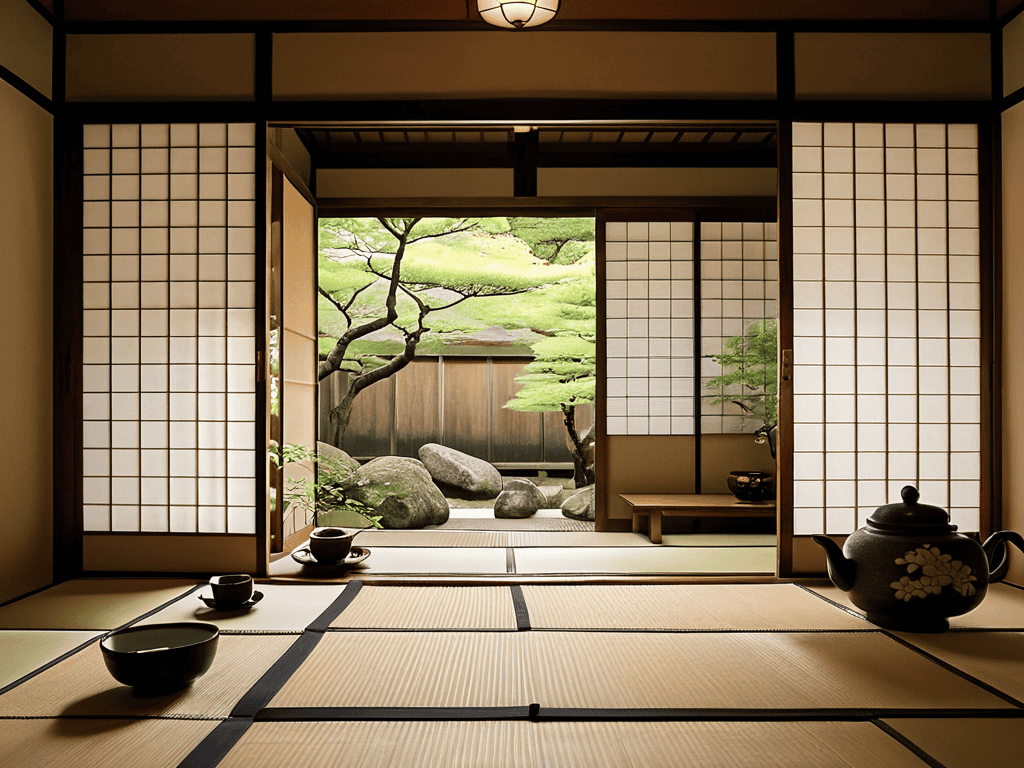
As I reflect on my experience of staying in a ryokan, I am reminded of the simple joys that this traditional Japanese accommodation has to offer. From the serene atmosphere of the tatami rooms to the gentle hospitality of the okami-san, every aspect of the ryokan is designed to provide a sense of tranquility and connection to the past. My journey has taken me through the digital refuge of a ryokan, where I found solace in the absence of modern technology, and into the samurai roots of tatami rooms, where I discovered a deep appreciation for the history and culture of Japan.
My time in the ryokan has been a profound reminder of the importance of balance in our lives, and the need to occasionally unplug from the digital world. As I return to my daily life, I am inspired to incorporate the principles of mindfulness and simplicity that I experienced during my stay, and to share this inspiration with others. Whether you are a tech enthusiast like myself, or simply someone looking to reconnect with the world around you, I highly recommend immersing yourself in the traditional Japanese culture of a ryokan – you never know what new perspectives you might discover.
Frequently Asked Questions
What are some modern amenities that ryokans typically offer to balance traditional experiences with contemporary comforts?
As I slipped into the serene world of ryokans, I discovered a thoughtful blend of old and new, where traditional tatami mats met high-speed Wi-Fi, and vintage sliding doors revealed modern en-suite bathrooms, perfectly balancing the desire for digital detox with the need for contemporary comforts.
How do ryokans incorporate technology to enhance the guest experience while maintaining their cultural heritage?
As I slipped into the serene world of a ryokan, I noticed subtle tech touches, like discreetly placed USB ports and soft, automated lighting, blending seamlessly with traditional tatami mats and sliding doors, creating a harmonious balance between old and new, where heritage meets innovation.
Are there any specific etiquette rules or customs that guests should be aware of when staying in a ryokan to ensure a respectful and immersive experience?
As I slipped into the serene world of the ryokan, I learned to respect the delicate customs, like bowing upon arrival and removing my shoes before stepping onto the tatami mats, allowing me to truly immerse in the tranquil atmosphere and connect with the gentle hospitality of the okami-san.