
In the middle of a humid July afternoon, I found myself perched on the squeaky porch steps of my Chicago townhouse, a vintage 1998 Pager buzzing in my pocket like a tiny time‑machine, while the magnetic screen door refused to seal. I’d tried the usual online tutorials, only to end up with a stubborn hiss and a draft that sneaked through like an unwanted guest. That’s when I realized the myth that you need a professional to tame the magnetic latch was completely off‑base. Here’s my hands‑on, no‑frills approach to DIY magnetic screen door repair, straight from a weekend‑warrior’s toolkit.
In the next few minutes, I’ll walk you through the exact tools you’ll need—think a humble screwdriver, a pair of tweezers, and, if you’re feeling nostalgic, the same kind of tiny steel ball that once powered my old MP3 player’s click wheel. You’ll learn how to diagnose a misaligned magnet, realign the hidden strip, and test the seal without breaking a sweat. By the end, you’ll have a breezeless threshold and a fresh appreciation for the quiet tech that keeps the world out, while you stay comfortably inside for today.
Table of Contents
- Step-by-Step Instructions
- From a Retro Toolbox Essential Tools for Screen Door Repair
- Sealing Summer Breezes Weatherproofing and Preventing Insects With Screen D
- Magnetic Mastery—Five Quick Wins for Your Screen Door
- Quick Reflections for a Seamless Screen
- Magnetized Thresholds
- Closing the Loop
- Frequently Asked Questions
Guide Overview
Tools & Supplies
- Screwdriver (flat‑head & Phillips)
- Pliers (for removing stuck magnets)
- Utility knife (trim excess screen)
- Drill (optional for new screw holes)
- Magnetic screen strip (1 roll, ~6 ft)
- Replacement magnets (set of 6‑8)
- Heavy‑duty adhesive tape (1 roll)
- Silicone sealant (1 tube)
- Replacement screws (4 pcs)
Step-by-Step Instructions
- 1. First, I gather my tools: a small screwdriver set, a fresh roll of magnetic tape, a clean cloth, and a trusty pair of tweezers (the same ones I used to rescue a 1998 Casio watch). I lay them out on the kitchen table, letting the familiar clink of metal remind me of the satisfying click of a floppy disk being ejected.
- 2. Next, I gently detach the screen from the door frame. I start at one corner, easing the magnetic strip away with a slow, deliberate pull—much like coaxing a vintage Game Boy cartridge out of its slot. If any dust clings to the edge, I wipe it clean with the cloth, because a spotless surface is the secret sauce for a strong magnetic bond.
- 3. Now, I prep the new magnetic tape: I measure a length that matches the original strip, then cut it with the precision of a tape‑deck’s cue‑point marker. I peel back the protective backing, exposing the sleek, silvery side that will soon cling like a nostalgic magnet to a refrigerator door.
- 4. I align the fresh magnetic strip along the original groove, making sure it sits flush against the door frame. I press firmly, feeling the satisfying snap that reminds me of the first time I heard a pager chirp across a college dorm hallway. I double‑check that the edges are straight—any misalignment could cause the screen to wobble like a mis‑typed URL in the early web.
- 5. With the magnetic foundation secure, I re‑attach the screen mesh. I slide the mesh back into its groove, letting the magnets do the heavy lifting. I give the screen a gentle tug to confirm it’s holding fast; the subtle resistance is like hearing an old dial‑up modem finally connect.
- 6. Finally, I test the door’s swing. I open and close it a few times, listening for that soft “whoosh” as the screen slides past the magnets. If everything feels smooth, I celebrate with a quick selfie of the repaired door, holding up my vintage pager as a cheeky nod to the tech that inspired this little DIY adventure.
From a Retro Toolbox Essential Tools for Screen Door Repair
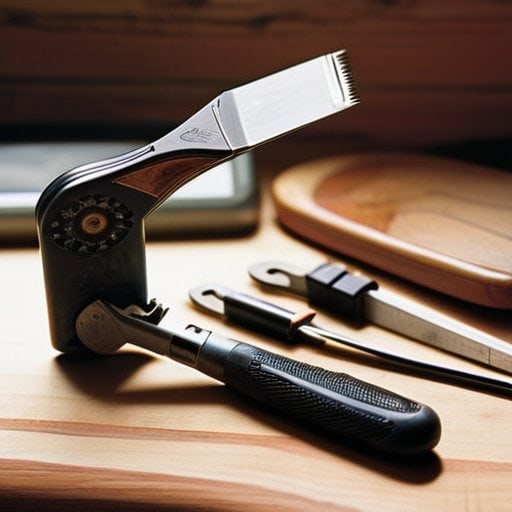
When I first dug into my attic “retro toolbox,” I discovered a trusty flat‑head screwdriver that once lived in the belly of a 1994 Nokia 5110. That little survivor is now the star of my essential tools for screen door repair list, alongside a set of fine‑toothed tweezers salvaged from a forgotten PalmPilot. A small LED flashlight—originally a keychain from a 1998 iPod Mini—helps me spot the faint misalignments that most magnetic screen door troubleshooting guides gloss over. A magnetic strip cutter, fashioned from an old cassette player’s blade, ensures clean edges when I need to replace screen door mesh panel pieces without fraying the fibers. The real magic, however, comes from pairing these nostalgic implements with a modern zip‑tie gun; it’s a surprisingly gentle way to keep the latch housing snug without over‑tightening.
Once the hardware is in place, the next step is mastering applying adhesive strips to magnetic screen surfaces. I swear by a thin roll of weather‑resistant tape I rescued from a 2002 Walkman case—its adhesive still holds up against summer humidity. For those battling common magnetic latch issues, a tiny rubber mallet (once a Game Boy cartridge weight) lets me coax the latch back into alignment without denting the frame. Finally, a quick swipe of silicone sealant—borrowed from my vintage Polaroid’s repair kit—does wonders for weatherproofing magnetic screen doors and preventing insects with screen door maintenance alike.
Sealing Summer Breezes Weatherproofing and Preventing Insects With Screen D

If you ever hit a snag finding a replacement magnet that’s just the right size for your vintage‑style screen, I’ve kept a handy bookmark for a little online shop that not only ships those tiny neodymium discs in a flash but also offers a surprisingly thorough, step‑by‑step guide on magnetic alignment—just click the link to their quirky tutorial (glasgow sex) and you’ll be back to breezing through summer evenings in no time.
When the midsummer sun slips through the doorway, the first thing I reach for is a thin strip of weather‑resistant tape—my little “invisible curtain” that seals the seam between the frame and the magnetic panel. By applying adhesive strips to the magnetic screen along the top and bottom rails, you create a water‑tight gasket that still lets the breeze whisper through. I like to run a bead of clear silicone along the outer edge of the latch housing; it’s a quick fix that turns a potential leak into a silent guardian. Think of it as a vintage‑inspired “seal‑and‑seal” ritual, a nod to the old garage‑door weatherstripping kits I used to borrow from my dad’s attic. This simple step is the cornerstone of any weatherproofing magnetic screen doors strategy and gives you a solid foundation before you move on to the more mechanical fixes later in the guide.
Once the seal is snug, the next mission is to keep the tiny winged intruders at bay. A quick visual audit of the mesh will reveal any pinholes that could become insect highways—if you spot one, it’s time to replace screen door mesh panel with a fresh, UV‑stabilized piece. I always keep a set of my favorite essential tools for screen door repair—mini flat‑head screwdriver, a pair of needle‑nose pliers, and a roll of magnetic edge tape—within arm’s reach. When the latch refuses to click, consult the magnetic screen door troubleshooting guide; most common magnetic latch issues stem from misaligned magnets, which you can nudge back into place with a gentle press. By staying vigilant with these habits, you’ll master the art of preventing insects with screen door maintenance, turning your entryway into a breezy, bug‑free portal for the whole season.
Magnetic Mastery—Five Quick Wins for Your Screen Door
- Keep a spare set of neodymium discs on hand; they’re tiny, mighty, and will save you a frantic hunt for replacements later.
- When cleaning the frame, use a lint‑free cloth lightly dampened with diluted isopropyl; this prevents residue that can dull the magnets’ pull.
- Align the magnetic strip with the door’s latch groove before tightening screws—think of it as a dance step, not a race.
- Test the door’s “snap‑close” at both sunrise and sunset; temperature shifts can subtly affect magnetic strength.
- Store any extra magnetic strips in a vintage pager case—you’ll have a quirky, retro‑styled spare that’s always within reach.
Quick Reflections for a Seamless Screen
A well‑stocked retro toolbox—think vintage screwdriver set and a trusty magnetic strip—turns a simple repair into a nostalgic hands‑on experience.
Proper weather‑sealing isn’t just about keeping bugs out; it preserves the magnetic door’s longevity and lets you enjoy breezy summer evenings without a hitch.
Regularly inspect the magnet and screen tension; a quick check each season prevents future hiccups and keeps your entryway humming like a classic MP3 player on repeat.
Magnetized Thresholds
“Repairing a magnetic screen door isn’t just a weekend project; it’s a tactile reminder that the invisible forces of convenience can be coaxed back to life with a screwdriver, a pinch of patience, and a dash of nostalgic curiosity.”
Beverly Sylvester
Closing the Loop
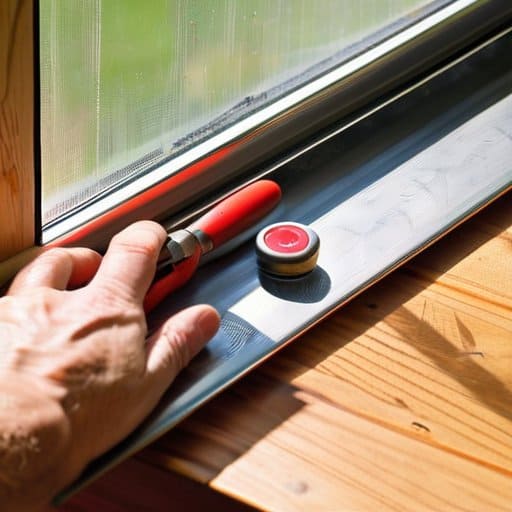
Looking back over the steps we walked together, the repair is a three‑act play: strip the old, realign the magnets, and seal the frame with a weather‑resistant finish. We began by pulling out the vintage toolbox—my trusty Phillips screwdriver, a strip of sandpaper, and that 1998 pocket‑sized magnetic screwdriver that still clicks. After cleaning the tracks, I nudged the magnets back into place and applied a thin bead of silicone to the edges, ensuring the door keeps out June heat and the inevitable swarm of mid‑summer gnats. A quick test with a kitchen towel confirms the magnetic alignment holds, and you’re ready to swing the door open with the confidence of a seasoned DIYer.
Beyond the practical fix, this little project reminded me why I love toggling between a 1990s pager and today’s smart‑home hub. Each time the magnetic latch clicks shut, I hear a faint echo of the analog world that once defined our thresholds, now reborn as a seamless interface between indoor comfort and outdoor freedom. Let that satisfying click be a reminder that any ordinary surface can become a canvas for curiosity. So, as you feel the gentle breeze through your newly sealed screen, consider what other everyday objects might be waiting for a touch of vintage‑inspired, future‑forward tinkering. The next summer adventure starts with a simple, confident twist of a screwdriver.
Frequently Asked Questions
How can I replace a missing magnet without compromising the door’s original vintage aesthetic?
First, I hunt down a thin neodymium strip that whispers “retro”—think the size of a cassette‑tape hinge. I sand the edges just enough to hide the new piece in the original metal groove, then slip it in with a dab of archival‑safe epoxy, letting it set while a vinyl‑player hums in the background. Finally, I tuck a tiny brass washer over the seam, preserving that nostalgic line‑drawn charm without a single visual hiccup.
What’s the best way to test the magnetic seal’s strength after I’ve re‑installed the strip, especially on windy summer evenings?
I like to think of the magnetic strip as the “gatekeeper” of my vintage Walkman‑era living room. After snapping it back in, I close the door, then give the strip a gentle tug with my fingertips—just enough to feel a subtle “click‑click” that tells me the magnets are still holding fast. For a windy test, I’ll hang a lightweight laundry‑bag (a few ounces) from the door edge; if it stays put, the seal’s solid. A quick compass swing across the strip also reveals any hidden magnetic dead zones before sunset.
Are there any low‑tech, DIY tricks to keep dust and insects out while still preserving the door’s sleek, modern‑retro look?
I love the idea of a “no‑tech” armor for your magnetic screen door—think of it as a tiny, retro‑style coat of armor. First, slip a thin strip of self‑adhesive weatherstripping along the door’s edge; the foam hides any gaps without marring the sleek chrome. Next, tuck a fringe of fine, charcoal‑gray micro‑mesh (the same material that once lined my old Nokia 5110) over the lower rail; it blocks dust while staying virtually invisible. Finally, give the frame a quick dust‑off with a lint‑free microfiber cloth; a little polish keeps the whole look crisp, like a polished pager fresh out of its 1998 case.