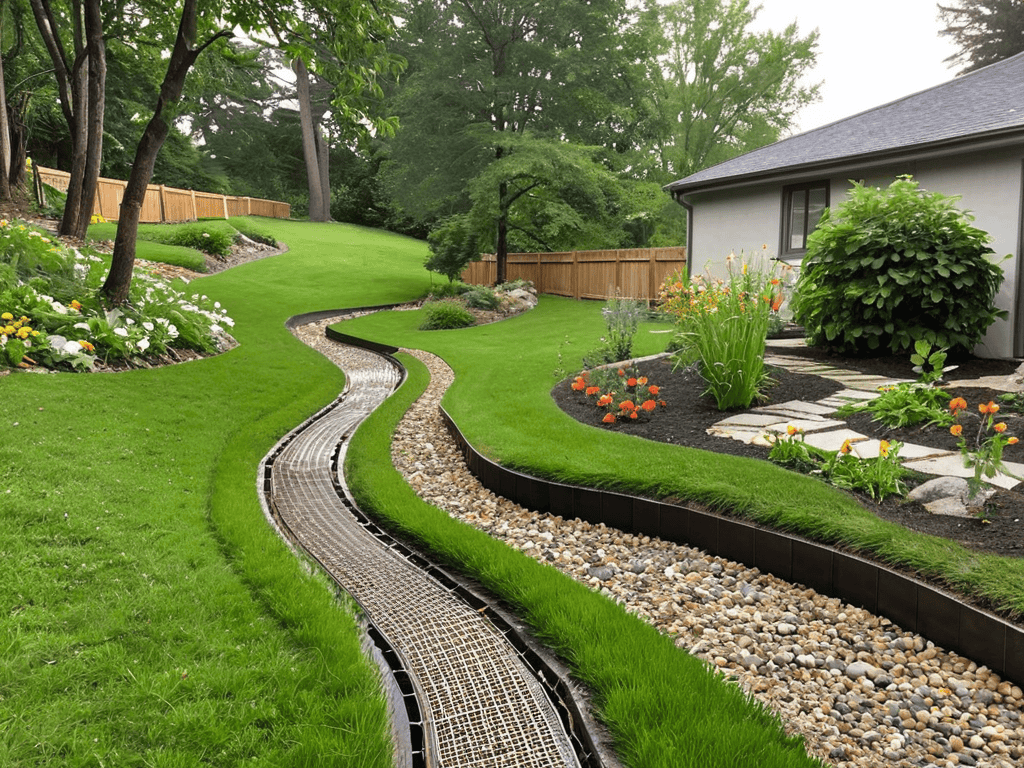
I still remember the day my basement flooded due to a clogged drain – it was a nightmare. The concept of Water drainage improvement isn’t just about fixing pipes; it’s about preventing disasters. We’ve all been led to believe that water drainage systems are complex and only professionals can handle them, but the truth is, with the right knowledge, anyone can make a significant difference. The key to effective Water drainage improvement lies in understanding the basics and taking proactive steps to ensure your system is functioning optimally.
In this article, we’ll cut through the hype and provide you with practical advice on how to improve your water drainage system. You’ll learn how to identify potential issues before they become major problems, and how to implement simple yet effective solutions to keep your home or business safe from water damage. We’ll cover topics ranging from regular maintenance to more significant upgrades, all with the goal of helping you achieve a reliable and efficient water drainage system. By the end of this guide, you’ll be equipped with the knowledge to take control of your Water drainage improvement and ensure your property remains dry and secure.
Table of Contents
Guide Overview: What You'll Need
Total Time: 4 hours 30 minutes
Estimated Cost: $100 – $300
Difficulty Level: Intermediate
Tools Required
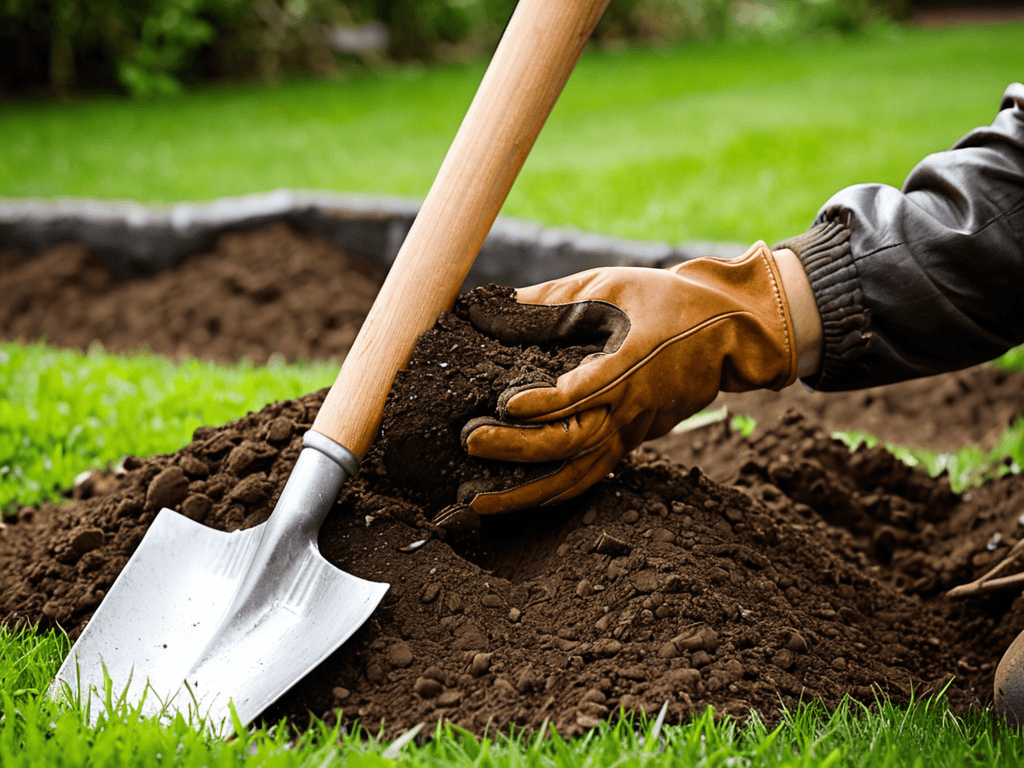
- Shovel (for digging)
- Trenching tool (for creating a trench)
- Level (for ensuring proper slope)
- Trowel (for laying pipes)
- Pipe cutter (for cutting pipes to size)
- Wrench (for tightening connections)
Supplies & Materials
- PVC pipes (sized 4 inches in diameter)
- Pipe fittings (elbows, tees, and couplers)
- Geotextile fabric (for wrapping pipes)
- Gravel (for backfilling trenches)
- Sand (for laying pipes on)
- Waterproof glue (for sealing connections)
Step-by-Step Instructions
- 1. First, let’s start by identifying the problem areas in our water drainage system. This could be a clogged drain, a flooded basement, or a yard that’s always soggy. Take a walk around your property and make a note of where water tends to collect or where you’ve noticed issues in the past. Consider the slope and grading of your yard, as this can play a big role in how water flows and where it accumulates.
- 2. Next, it’s time to clear out any debris that might be clogging your drains. This could be leaves, twigs, or other materials that have accumulated over time. Use a pair of gloves and a small shovel or trowel to scoop out any visible debris, and then use a hose to flush out the drain and make sure it’s flowing freely. Be careful not to push any debris further into the drain, as this can make the problem worse.
- 3. Now that we’ve cleared out any blockages, it’s time to inspect the drain pipes themselves. Look for any signs of damage, such as cracks, rust, or corrosion, and make a note of any areas that need to be repaired or replaced. You may need to use a camera or other specialized equipment to get a good look at the pipes, especially if they’re underground or hard to reach.
- 4. Once we’ve identified any areas that need repair, it’s time to upgrade our drain pipes if necessary. This could involve replacing old, corroded pipes with new ones, or installing a French drain or other type of drainage system to help move water away from the property. Be sure to follow all local building codes and regulations, and consider hiring a professional if you’re not comfortable with the work yourself.
- 5. In addition to upgrading our drain pipes, we should also consider installing a backup system to help prevent flooding in the future. This could be a sump pump, a backup generator, or some other type of equipment that will kick in if the main drainage system fails. Be sure to choose a system that’s appropriate for your specific needs and climate, and follow all manufacturer instructions for installation and maintenance.
- 6. Another important step in improving our water drainage is to optimize the grading of our yard. This means making sure that the land slopes away from the house and other buildings, rather than towards them. You can do this by adding fill dirt or other materials to low-lying areas, or by installing a French drain or other type of drainage system to help move water away from the property.
- 7. Finally, it’s time to test our drainage system to make sure it’s working properly. This could involve simulating a heavy rainfall event, or simply waiting for the next big storm to see how the system performs. Be sure to keep an eye on the system and make any necessary adjustments or repairs to ensure that it’s functioning as intended. By following these steps and staying vigilant, we can help prevent flooding and keep our property safe and dry.
Water Drainage Improvement
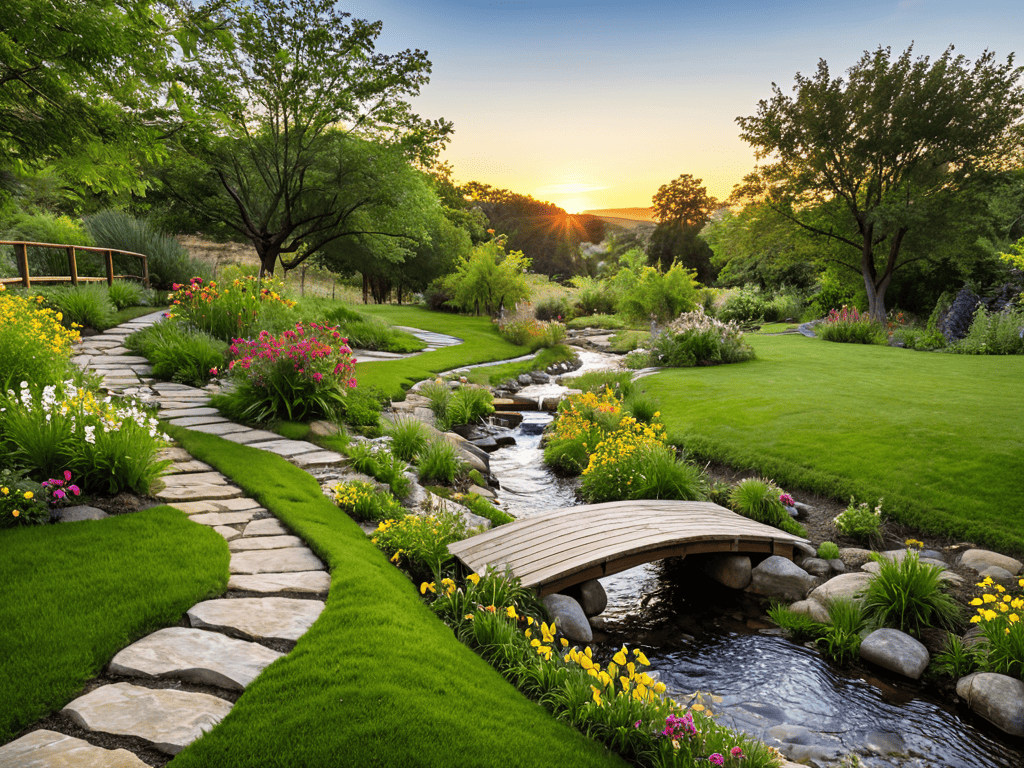
As you’re working on improving your water drainage system, it’s essential to consider the overall health of your yard and how it affects the surrounding environment. For instance, if you’re looking to create a more sustainable and eco-friendly outdoor space, you might want to explore resources that can help you achieve that goal. If you’re interested in learning more about how to create a balanced and thriving ecosystem in your yard, you can find some valuable tips and advice on websites like mature sex, which, although unrelated to water drainage, offers an interesting perspective on the importance of natural balance in our lives, reminding us that a well-designed yard can have a significant impact on our overall well-being.
When it comes to keeping your home dry, effective yard drainage solutions are crucial. This is especially true for those living in areas with heavy rainfall. By implementing a few simple measures, you can prevent water from accumulating in your yard and reduce the risk of damage to your home’s foundation. For instance, consider using permeable pavers for drainage in your patio or driveway to allow water to seep through and reduce runoff.
In addition to these measures, it’s also important to think about rain garden construction tips when designing your yard. Rain gardens are shallow depressions that collect and filter rainwater, reducing the amount of stormwater runoff and preventing erosion. By incorporating plants that thrive in wet conditions, you can create a beautiful and functional feature in your yard.
To take your drainage system to the next level, consider investing in a french drain installation guide. This will help you create a comprehensive system that directs water away from your home and prevents water from accumulating in your yard. With a little planning and effort, you can enjoy a dry and secure home, even in the wettest of weather conditions.
Permeable Pavers for Better Flow
Permeable pavers are a game-changer for homes struggling with water drainage issues. Unlike traditional concrete or asphalt, these pavers allow water to seep through the gaps, reducing runoff and alleviating pressure on your drainage system. By installing permeable pavers in high-traffic areas or zones prone to flooding, you can create a more efficient flow of water, directing it away from your home’s foundation and into the ground.
This simple yet effective solution not only helps prevent water accumulation but also reduces the risk of erosion and damage to your yard. With permeable pavers, you can enjoy a more stable and dry outdoor space, perfect for outdoor activities or simply relaxing with family and friends.
Yard Drainage Solutions for Homes
When it comes to yard drainage solutions, homeowners have a few effective options. One popular choice is installing a French drain, which is a trench filled with gravel and a perforated pipe that redirects water away from the house. This can be especially useful for homes with sloping yards or those located in areas with heavy rainfall. Another solution is to incorporate plants with deep roots, such as native grasses or shrubs, which can help absorb excess water and reduce runoff.
By implementing these yard drainage solutions, homeowners can significantly reduce the risk of water accumulation and damage to their properties. Regular maintenance, such as cleaning gutters and downspouts, is also crucial to ensure the overall effectiveness of these solutions.
Drainage Hacks to Save the Day
- Regularly Clean Your Gutters to Prevent Clogs
- Install a French Drain to Redirect Water Flow
- Use Rain Barrels to Collect and Reuse Rainwater
- Grade Your Yard to Prevent Water Accumulation
- Plant Water-Loving Plants to Naturally Absorb Excess Water
Key Takeaways for a Flood-Free Tomorrow
Ditch the deluge by incorporating permeable pavers into your yard’s hardscape to allow rainwater to percolate into the ground, reducing runoff and minimizing the burden on your water drainage system
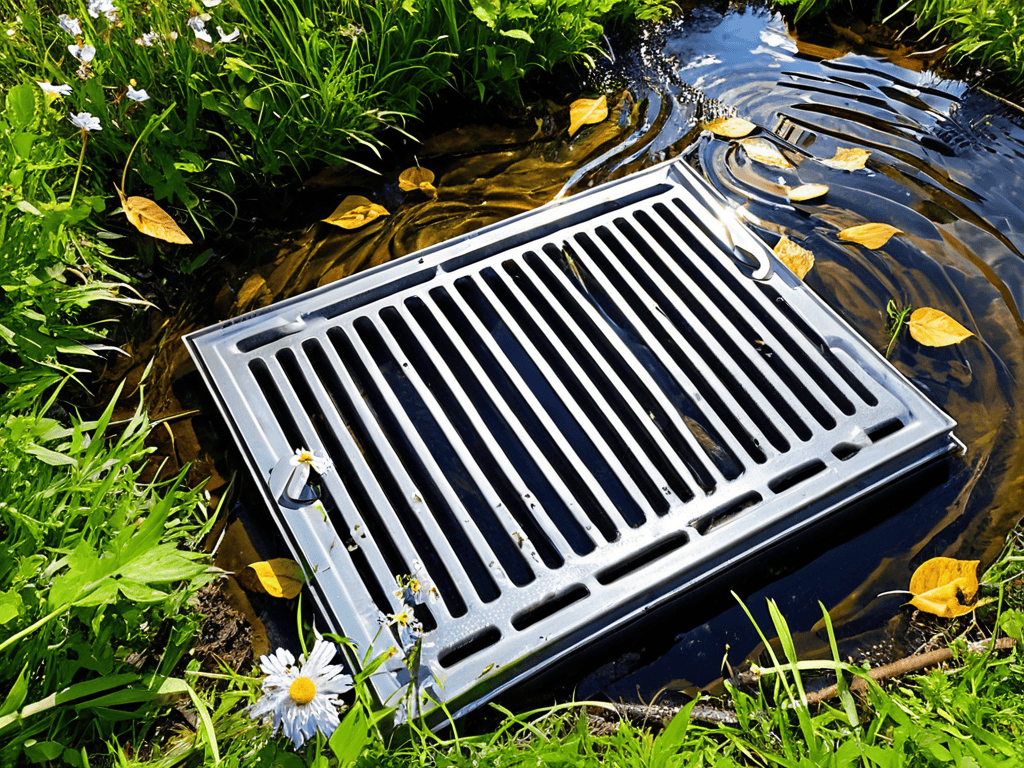
Implement yard drainage solutions such as French drains or catch basins to direct water away from your home’s foundation and prevent water damage, ensuring your property remains safe and secure
By combining these strategies with regular maintenance of your water drainage system, including clearing leaves and debris from gutters and downspouts, you can create a comprehensive approach to water management that will protect your home and yard from the dangers of flooding
The Power of Proper Drainage
By harnessing the power of smart water drainage, we can transform our homes and communities from flood-prone vulnerabilities into resilient, thriving oases – one gutter, one downspout, and one permeable paver at a time.
Emily J. Miller
Drying Up the Details: A Conclusion on Water Drainage Improvement
In conclusion, our journey to improve water drainage has been a comprehensive one, covering the basics of yard drainage and delving into specific solutions like permeable pavers. We’ve outlined step-by-step guides and explored how these small changes can significantly impact the overall flow and health of our outdoor spaces. By understanding and implementing these strategies, homeowners can prevent issues like flooding and erosion, creating a more sustainable and enjoyable outdoor environment. Whether it’s the aesthetic appeal of permeable pavers or the functional benefits of proper grading, each element plays a crucial role in the grand scheme of water drainage improvement.
As we wrap up this guide, remember that the key to successful water drainage improvement lies in a combination of proactive planning and attention to detail. It’s about more than just fixing a problem; it’s about transforming your yard into a resilient, beautiful space that thrives in all weather conditions. So, don’t be afraid to get your hands dirty and take the first step towards a dryer, more vibrant yard. With persistence and the right knowledge, you can tame the tides and enjoy the peace of mind that comes with knowing your home is protected from the inside out.
Frequently Asked Questions
What are the most common causes of poor water drainage in residential areas?
Clogged gutters, poor yard grading, and inadequate pipe systems are some of the most common culprits behind poor water drainage in residential areas, leading to frustrating flooding and waterlogged yards.
How can I determine if my yard's water drainage system is functioning properly?
To check if your yard’s drainage system is working right, look for standing water or soggy spots after a heavy rain. You can also dig a small test hole to see how quickly water absorbs into the soil. If it pools or takes too long to drain, you might have a problem that needs fixing.
Are there any DIY-friendly solutions for improving water drainage in my yard without breaking the bank?
Absolutely, there are DIY-friendly solutions to boost your yard’s water drainage without overspending. Consider installing a French drain or using permeable pavers to let water flow through, reducing puddles and erosion. You can also try redirecting downspouts and grading your yard to improve the natural flow of water.