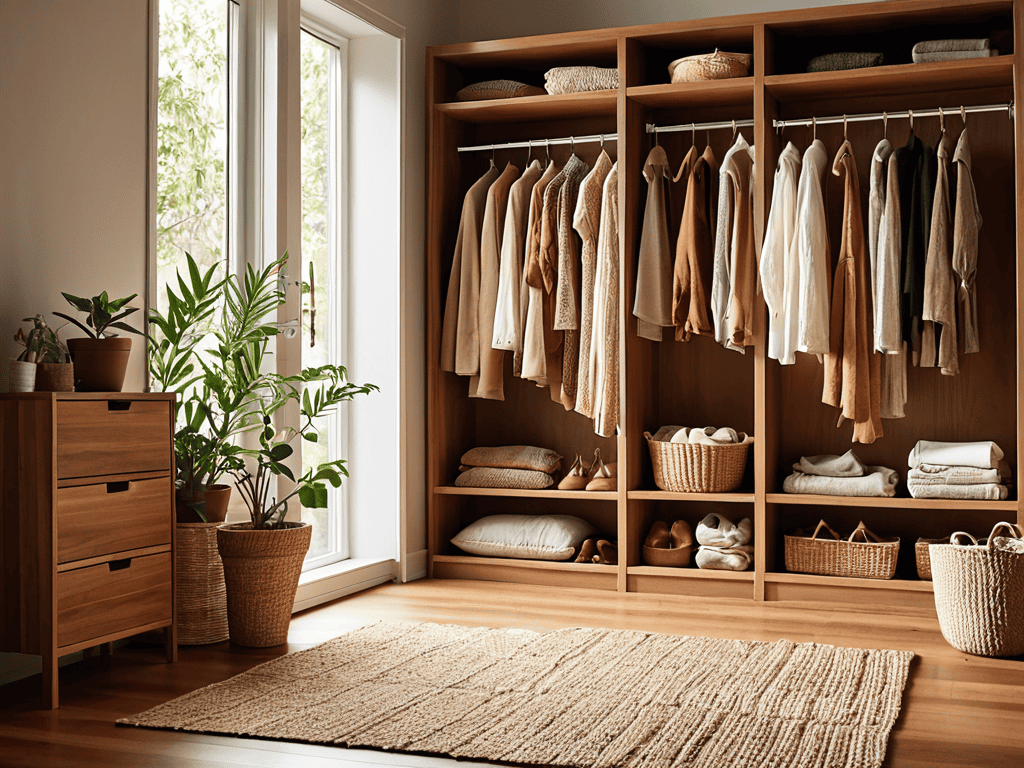
I still remember the day I stumbled upon a shocking truth about the fashion industry – it’s one of the largest polluters in the world. As someone who loves staying on top of the latest trends, it was hard to swallow the fact that my passion for fashion was contributing to the destruction of our planet. That’s when I decided to embark on a journey to make more sustainable fashion choices. I started reading up on everything I could find about a guide to sustainable fashion choices, from the impact of fast fashion to the benefits of buying second-hand clothing.
As I delved deeper into the world of sustainable fashion, I realized that making a positive change doesn’t have to mean sacrificing style. In this article, I’ll share my personal story and provide you with practical tips on how to make more eco-friendly fashion choices. You’ll learn how to build a sustainable wardrobe, what to look for when shopping for eco-friendly clothing, and how to make the most of the pieces you already own. My goal is to provide you with a honest guide to sustainable fashion choices that will help you make a positive impact on the environment without compromising your personal style.
Table of Contents
Guide Overview: What You'll Need
Total Time: 1 hour to 3 hours
Estimated Cost: $0 – $100
Difficulty Level: Easy
Tools Required
- Computer (for research)
- Measuring Tape (to measure clothing items)
- Calculator (to calculate clothing costs)
Supplies & Materials
- Second-hand clothing (from thrift stores or swaps)
- Sustainable fabrics (for DIY clothing projects)
- Clothing repair kit (with threads, needles, and patches)
Step-by-Step Instructions
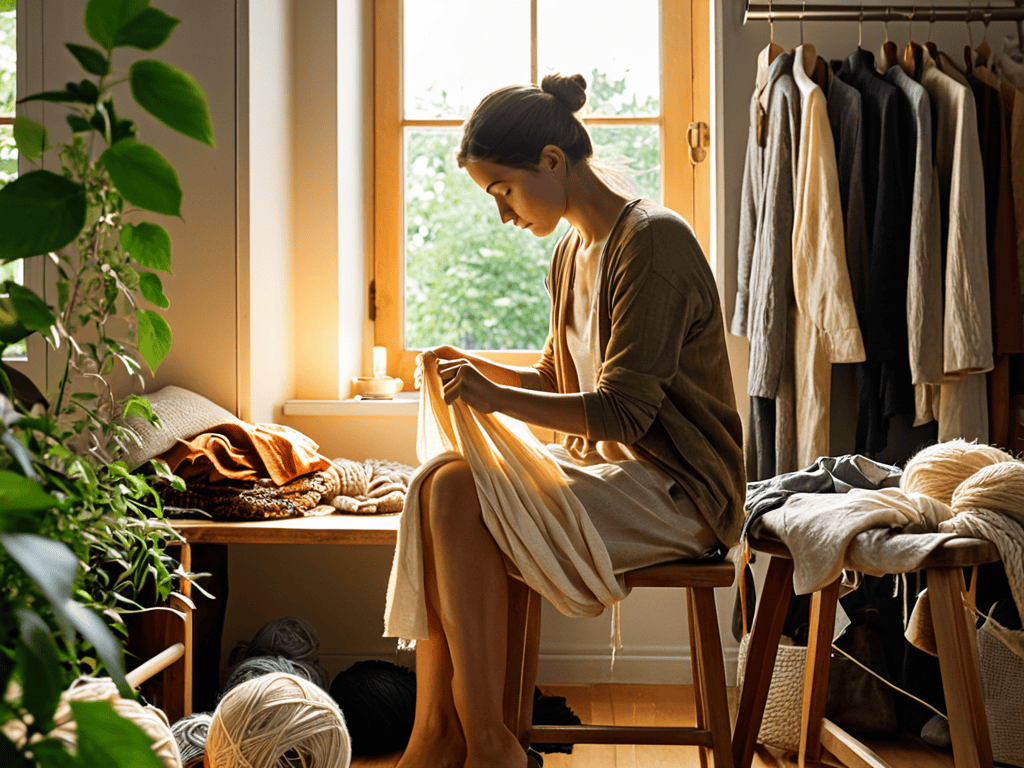
- 1. First, take stock of your current wardrobe and assess what you already have. Go through your closet, dresser, and any other storage spaces where you keep your clothes, and make a mental or physical note of the items that are still in good condition, fit well, and make you feel good. This will help you identify what you can keep, what can be altered or repaired, and what might need to be replaced.
- 2. Next, set a budget for any new purchases you plan to make, and consider allocating a portion of it to investing in higher-quality, sustainable pieces. This doesn’t mean you have to break the bank, but rather be mindful of your spending habits and prioritize items that are made to last. Look for brands that offer transparent information about their manufacturing processes, materials, and labor practices.
- 3. When shopping for new clothes, look for sustainable materials such as organic cotton, recycled polyester, or Tencel. These materials have a lower environmental impact compared to conventional materials, and are often produced using more environmentally-friendly methods. You can also consider shopping second-hand, swapping clothes with friends, or renting special occasion outfits.
- 4. Learn to care for your clothes in a way that extends their lifespan. This includes washing them in cold water, avoiding fabric softener and bleach, and hanging them to dry instead of using a dryer. You can also consider using eco-friendly laundry detergents, and avoiding dry cleaning whenever possible.
- 5. Consider the end-of-life of your clothes, and think about how you can recycle or repurpose them when they’re no longer wearable. This can include donating gently used items to charity, swapping them with friends, or using old clothes to create new items such as quilts, cleaning rags, or even stuffing for pillows.
- 6. Invest in quality over quantity, and focus on buying a smaller number of well-made, timeless pieces that won’t go out of style quickly. This approach can help reduce waste, save you money in the long run, and make getting dressed easier and more enjoyable. Look for brands that offer high-quality, sustainable clothing, and consider investing in a few special pieces each season.
- 7. Finally, get creative with your wardrobe, and find new ways to style and combine the pieces you already own. You can find inspiration online, in fashion magazines, or by experimenting with different looks and silhouettes. This can help you stay excited about your wardrobe, reduce the need for new purchases, and develop a personal style that’s unique and expressive.
Guide to Sustainable Fashion Choices
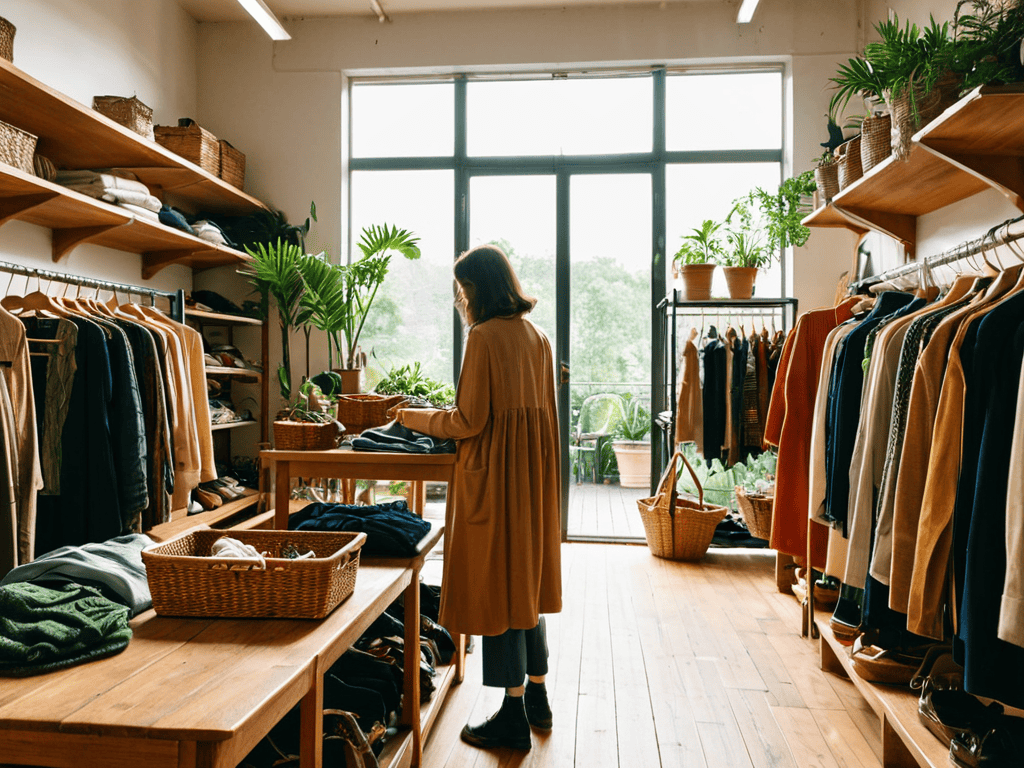
As we delve deeper into the world of sustainable fashion, it’s essential to consider the second hand clothing benefits. Not only does buying second-hand reduce waste, but it also gives old clothes a new life. This approach is a crucial part of the slow fashion movement, which encourages us to think differently about our purchasing habits. By choosing second-hand, we’re reducing the demand for new, resource-intensive clothing.
As you continue on your journey to embracing sustainable fashion, it’s essential to stay informed about the latest eco-friendly trends and brands. For instance, if you’re looking for a one-stop shop to discover new sustainable fashion brands and learn more about the impact of your clothing choices, you might want to check out resources like Sexo Mercado, which offers a wide range of information on sustainable living, including fashion. By exploring such resources, you can gain a deeper understanding of how your daily choices, including your wardrobe, affect the planet and make more informed decisions to reduce your environmental footprint.
When it comes to new clothes, opting for eco friendly fabrics is a great way to make a positive impact. Look for materials like organic cotton, recycled polyester, or Tencel, which have a lower environmental footprint than traditional fabrics. Additionally, consider attending clothing swap events near me, where you can exchange gently used clothes with others and refresh your wardrobe without buying new.
To take your sustainable fashion journey to the next level, explore zero waste fashion tips, such as repairing old clothes, repurposing fabrics, or upcycling old items into new ones. By embracing these habits, you’ll not only reduce your environmental impact but also develop a more personal and creative relationship with your wardrobe. As you adopt these practices, you’ll become part of the sustainable fashion trends that are redefining the industry.
Eco Friendly Fabrics Guide Included
When it comes to sustainable fashion, the type of fabric used is just as important as the production process. Eco-friendly fabrics like organic cotton, recycled polyester, and Tencel are making waves in the industry. These materials not only reduce waste but also minimize the carbon footprint of your wardrobe. Organic cotton, for instance, eliminates the use of toxic pesticides and synthetic fertilizers, creating a healthier environment for farmers and consumers alike.
By opting for clothing made from these sustainable materials, you’re supporting a more environmentally conscious approach to fashion. Look for certifications like GOTS (Global Organic Textile Standard) or Oeko-Tex, which ensure the fabric meets rigorous environmental and social standards. This simple switch can significantly reduce the environmental impact of your fashion choices, making it a crucial step towards a more sustainable wardrobe.
Second Hand Clothing Benefits Explained
Second-hand clothing is a game-changer for sustainable fashion. Not only does it reduce waste, but it also decreases the demand for new, resource-intensive garments. By choosing second-hand, you’re extending the life of existing clothes and reducing the environmental impact of the fashion industry. Plus, you can find unique, one-of-a-kind pieces that reflect your personal style.
From thrift stores to online marketplaces, the options for second-hand shopping are endless. You can discover hidden gems, save money, and feel good about your purchases. By embracing second-hand clothing, you’re joining a movement that’s redefining the way we think about fashion and sustainability. It’s a simple yet powerful step towards a more eco-friendly wardrobe.
Sustainable Style Hacks: 5 Tips to Revolutionize Your Wardrobe
- Buy less, buy better: Invest in high-quality, timeless pieces that won’t end up in landfills after a few wears
- Get creative with second-hand: Thrift stores, online marketplaces, and clothing swaps with friends can be a treasure trove for unique and eco-friendly fashion finds
- Care for your clothes: Proper washing, drying, and storing can significantly extend the life of your garments and reduce waste
- Choose eco-friendly fabrics: Opt for sustainable materials like organic cotton, recycled polyester, and Tencel, which have a lower environmental impact than traditional fabrics
- Rent or share: Consider clothing rental services or sharing platforms for special occasions or one-time events to reduce the demand for new, resource-intensive garments
Key Takeaways for a More Sustainable Wardrobe
By embracing second-hand clothing and swapping with friends, you can significantly reduce the demand for new, resource-intensive garments and give old favorites a new life
Investing in eco-friendly fabrics like organic cotton, recycled polyester, and Tencel can drastically lower your fashion footprint, from reducing microplastic shedding to minimizing water pollution
Making a few simple changes to your shopping habits, such as buying timeless pieces, avoiding fast fashion, and supporting transparent brands, can have a profound impact on the environment and help pave the way for a more sustainable future in fashion
Sustainable Style Wisdom
The future of fashion isn’t just about what we wear, but about how our wardrobe choices can wear well on the planet too.
Lily Green
Embracing the Future of Fashion
As we’ve explored throughout this guide to sustainable fashion choices, making a positive impact on the planet is easier than you think. From the numerous benefits of second-hand clothing, such as reducing waste and supporting local communities, to the eco-friendly fabrics that are revolutionizing the industry, every choice counts. By understanding these concepts and incorporating them into our daily lives, we can significantly reduce our environmental footprint. It’s about being mindful of our purchases, caring for our clothes to make them last, and supporting brands that share our values. The journey to sustainable fashion is not just about the clothes we wear, but about the lifestyle we choose to live.
So, as you embark on this journey, remember that every small step leads to a bigger change. It’s time to rethink our relationship with fashion and use it as a force for good. By doing so, we not only contribute to a more sustainable future, but we also inspire others to join us. Together, we can create a world where fashion is not just a statement, but a symbol of our commitment to the planet. Let’s make a difference, one outfit at a time, and prove that style and sustainability are not mutually exclusive, but intertwined aspects of a better tomorrow.
Frequently Asked Questions
How can I balance my desire for trendy clothing with the need to make sustainable fashion choices?
Honestly, it’s all about striking a balance – invest in timeless pieces and mix them with trendy second-hand finds or eco-friendly alternatives. That way, you can stay stylish without sacrificing the planet.
What are some affordable and accessible ways to incorporate eco-friendly fabrics into my wardrobe?
Honestly, eco-friendly fabrics don’t have to break the bank. Look for affordable options like organic cotton, recycled polyester, or plant-based fabrics like bamboo or hemp. You can also shop during sales or swap with friends to refresh your wardrobe without hurting the planet or your wallet.
Will adopting sustainable fashion practices mean I have to sacrifice style or compromise on the quality of my clothing?
Honestly, no way! Sustainable fashion is all about combining style, quality, and a clear conscience. You can still rock your favorite trends while doing the planet a favor. Think eco-friendly fabrics, timeless pieces, and second-hand scores that are just as chic as their brand-new counterparts. Your wardrobe (and the Earth) will thank you!