
In today’s digital landscape, misconceptions about technology can spread like wildfire, influencing how we interact with our devices and perceive privacy and security. I have found that a significant number of people are misinformed about common tech issues.
As we become increasingly reliant on various tech devices and systems, it’s crucial to separate fact from fiction. Outdated information can become accepted as truth, making it essential to stay updated with accurate data.
This article aims to debunk prevalent technology myths, providing you with the knowledge to make informed decisions about your technology use.
Key Takeaways
- Understanding the prevalence and impact of technology myths in our daily lives.
- Learning how to distinguish between fact and fiction in the tech world.
- Gaining insights into the most common misconceptions about technology today.
- Discovering the importance of staying informed about the latest tech developments.
- Empowering yourself to make informed decisions about your technology use.
The Most Persistent Technology Myths Today
The rapid evolution of technology has given rise to a plethora of myths and misconceptions. As new generations of technology products and services emerge, so do false beliefs about their capabilities and implications.
Some of the most enduring technology myths continue to circulate despite being repeatedly debunked by experts. These myths often start with a kernel of truth that becomes distorted or outdated as technology advances over time.
Certain myths are particularly persistent due to psychological factors that make people resistant to updating their beliefs about technology. This persistence can significantly impact consumer behavior, leading to unnecessary purchases or the avoidance of beneficial technologies based on misinformation.
Many of these myths have been around for years, and some are even generational, with different age groups holding onto different misconceptions based on when they first encountered certain devices and tech advancements.
Understanding these myths is crucial in navigating the complex world of technology. By examining the most common myths and the reasons behind their persistence, we can better appreciate the way technology is evolving and making informed decisions about its use.
Privacy and Security Misconceptions
As we navigate the complexities of the digital world, it’s crucial to address common privacy and security misconceptions. Many of us believe that certain practices or tools can completely safeguard our online presence, but the reality is often different.
The Truth About Incognito Mode
One prevalent misconception is that Incognito Mode or private browsing modes protect our privacy entirely. While these modes do offer some level of protection by not storing your browsing history locally, they don’t make you completely anonymous online. Your Internet Service Provider (ISP) and the websites you visit can still track your activities.

Why Everyone Is a Target for Cybercrime
Cybercriminals often target individuals based on the misconception that only high-profile individuals or businesses are worth hacking. However, the reality is that everyone has valuable personal information that can be exploited. Automated hacking tools make it easy for criminals to target a large number of people indiscriminately.
The concept of being “small potatoes” gives people a false sense of security. In reality, personal data such as Social Security numbers and credit card information can be found, sold, and resold on dark web marketplaces, putting ordinary people at risk of identity theft.

Device Security Myths
As we increasingly rely on our devices for personal and professional purposes, it’s essential to debunk common device security myths.
Are Apple Products Really Immune to Malware?
The idea that Apple products are immune to malware is a common misconception. While macOS has a reputation for being more secure than Windows, it’s not entirely immune to malware. In reality, macOS users are also vulnerable to cyber threats.

The Reality of Antivirus Software Protection
Many believe that antivirus software provides complete protection against all types of malware and cyber threats. However, traditional antivirus programs have limitations, particularly against zero-day exploits and fileless malware. A multi-layered security approach is necessary to protect our devices.
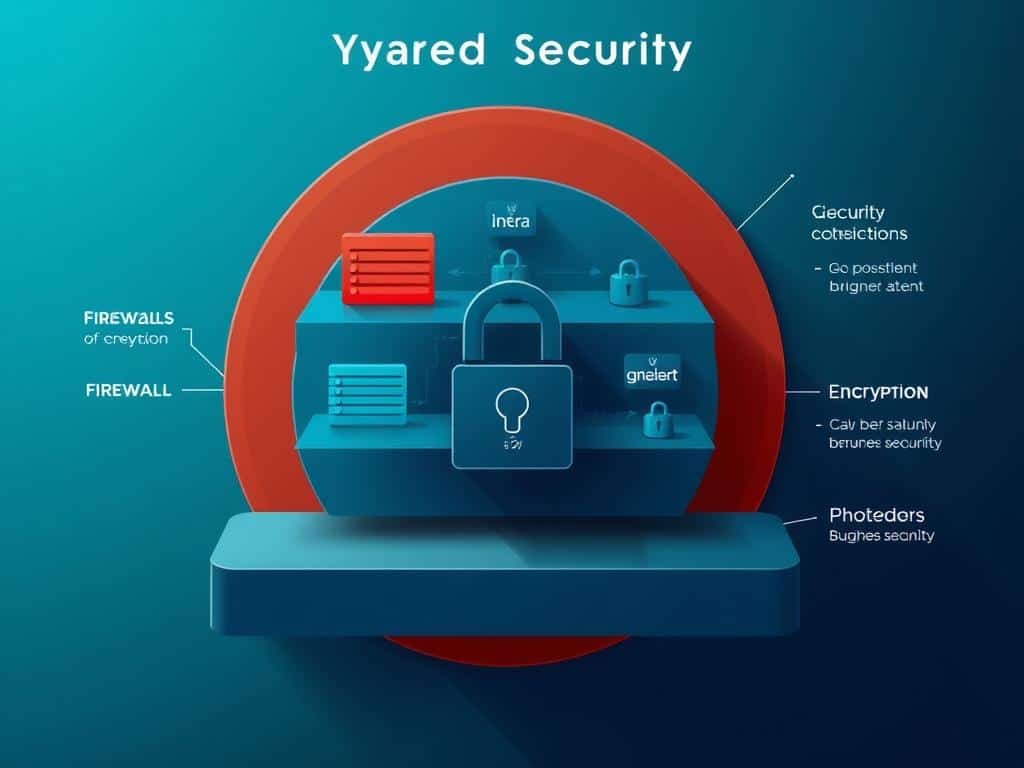
One huge myth is that built-in software-based security tools are sufficient to keep our devices protected from hackers. Even with regular software patches and updates, those tools represent the bare minimum for protecting your endpoint devices. This “database approach” is flawed and constantly exploited by hackers. In reality, true zero-day protection is best achieved with dynamic hardware security.
Common Technology Myths About AI
As AI continues to evolve, it’s crucial to separate the myths from the realities to harness its potential effectively. The concept of Artificial Intelligence has been surrounded by numerous misconceptions, often blurring the lines between fact and fiction.
Is Artificial Intelligence Actually Sentient?
The question of whether AI is conscious or sentient is a topic of much debate. Currently, AI systems are not sentient; they operate based on complex algorithms and data analysis.

What AI Can and Cannot Do
Understanding the capabilities and limitations of AI is essential. For example, AI excels in pattern recognition, data analysis, and content generation. However, it struggles with common sense reasoning, understanding context, and emotional intelligence.
The development of AI technologies has led to significant advancements in various fields, but there’s still a long way to go before achieving artificial general intelligence (AGI).

Experts suggest that while we could potentially reach the “AI Singularity,” where machines achieve human-level intelligence, it may take decades and require new architectures. Understanding AI’s true capabilities is crucial for making informed decisions about its implementation.
Smart Home Device Misconceptions
With the growing adoption of smart home devices, it’s essential to separate fact from fiction regarding their capabilities.
Are Smart Speakers Always Listening?
Smart speakers like Alexa are designed to be always-on, waiting for a wake word to activate. However, this doesn’t mean they’re always recording or transmitting data. Most devices only start recording after detecting the wake word, and users have the option to review and delete their voice history.
Managing Privacy on Smart Home Devices
To protect your privacy, it’s crucial to understand the data collection practices of your smart home devices. You can manage your privacy settings through the device’s app, such as the Alexa mobile app, where you can review voice history, delete recordings, and even opt-out of saving your voice data.
Regularly reviewing these settings and staying informed about your device’s data practices is key to maintaining your privacy and security.
Photography and Display Technology Myths
As technology advances, it’s essential to separate fact from fiction when it comes to photography and display devices. The debate between smartphone cameras and professional cameras is ongoing, with each having its own set of advantages.
Can Smartphone Cameras Replace Professional Cameras?

Smartphone cameras have made tremendous progress, offering high-quality images that rival those taken with professional cameras in certain conditions. However, professional cameras, such as DSLRs, still hold an edge in terms of manual controls, lens interchangeability, and overall image quality, especially in low-light conditions.
For example, a DSLR camera can provide better performance in various lighting conditions due to its larger sensor size and ability to change lenses.
The Truth About Expensive HDMI Cables
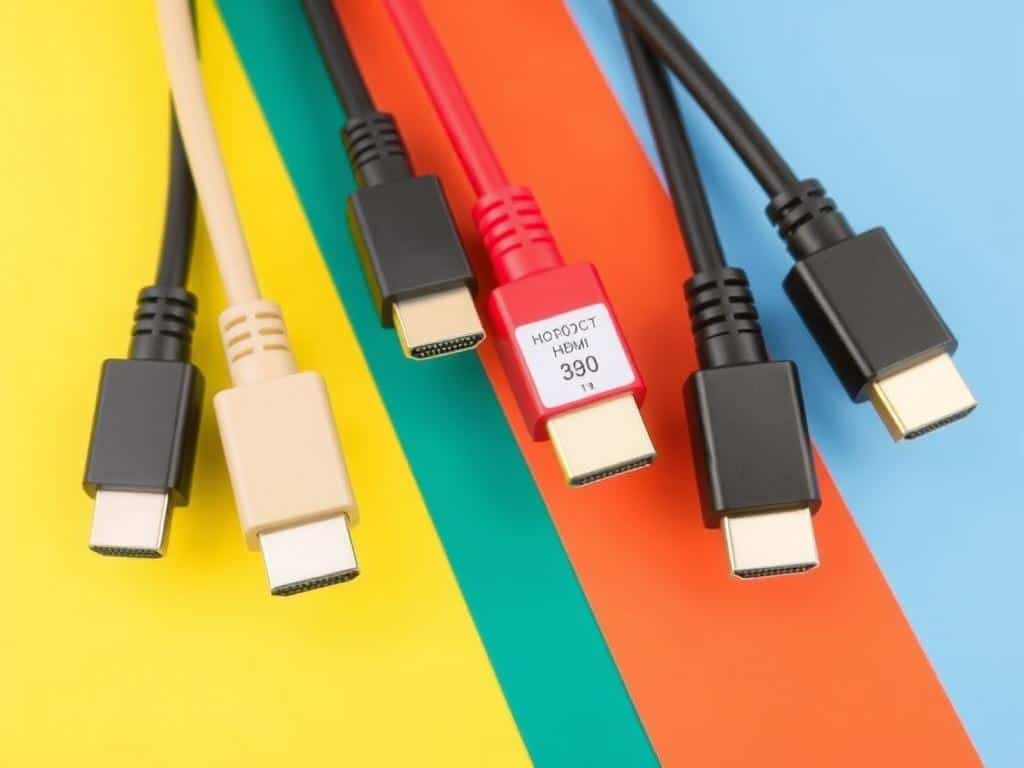
The notion that expensive HDMI cables significantly improve picture or sound quality is a myth. A digital signal is a digital signal, and as long as the cable meets the required specifications, the video quality will be the same whether you use a $10 cable or a $1,000 cable. The key is to choose a cable that supports the necessary HDMI standard for your devices, such as HDMI 2.1 for 8K setups.
Ultimately, the choice of HDMI cable should be based on factors like length, durability, and compatibility rather than price.
Battery Life and Charging Myths
Battery charging myths have been circulating for years, but it’s time to uncover the truth behind these claims. With the increasing reliance on smartphones, understanding the facts about battery life and charging habits is crucial.
Do Batteries Develop a “Memory”?
The concept of a battery “memory” refers to the idea that batteries forget their full capacity if not fully discharged before recharging. However, this myth primarily applies to older battery types like Nickel-Cadmium (Ni-Cd) batteries. Modern lithium-ion batteries, used in most smartphones, do not have this issue.
Should You Discharge Your Battery Completely?
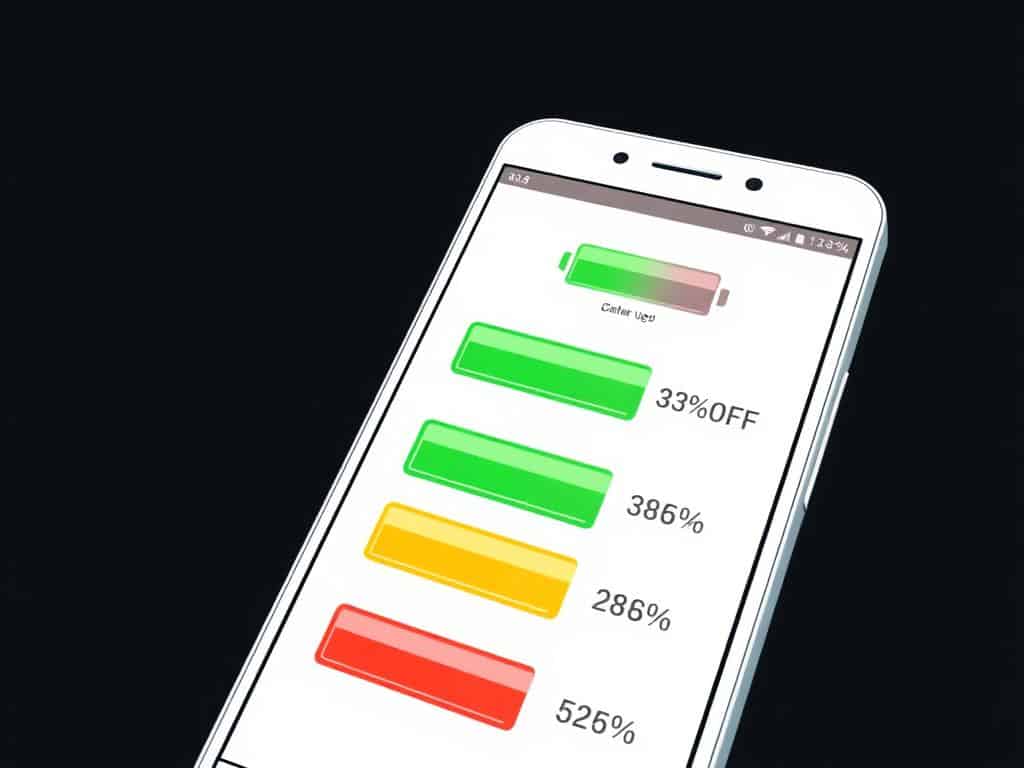
For lithium-ion batteries, completely discharging them to 0% on a regular basis can be harmful. It’s better to keep the battery level between 20% and 80% if possible. This reduces stress on the battery, potentially prolonging its lifespan.
Is Overnight Charging Harmful?
Overnight charging is a common habit, but concerns about its impact on battery health are valid. Modern smartphones have built-in protections against overcharging. Once the battery hits 100%, the charging stops. However, keeping a phone under a pillow or in a confined space can cause overheating, which is detrimental to battery health.
To minimize potential negative effects, ensure your phone is in a well-ventilated area while charging. If you’re concerned, you can unplug it once it reaches 100% or use a smart charger that can help manage the charging process more efficiently.
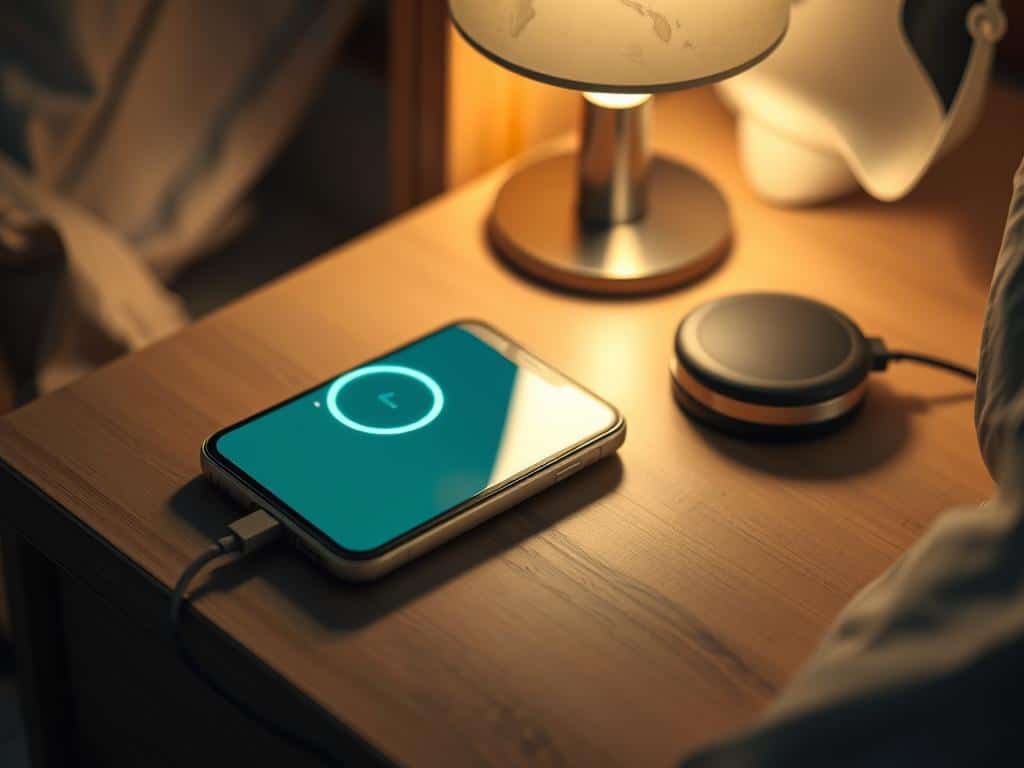
In conclusion, understanding the myths and facts about battery life and charging can help you make informed decisions about your smartphone’s care. By being mindful of how you charge your device and taking simple precautions, you can help prolong its battery life.
Health and Radiation Concerns
With the world becoming increasingly dependent on technology, it’s natural to wonder about the health implications of the electromagnetic fields emitted by our devices. Electromagnetic fields (EMFs) are everywhere, emitted by anything with power, from the sun and lightning to our AirPods.
5G Technology and Health Risks
The introduction of 5G technology has sparked concerns about potential health risks due to its use of higher frequency radio waves. However, numerous health organizations, including the World Health Organization (WHO), have conducted research indicating that the levels of EMF exposure from 5G networks are not significantly different from those of previous generations.
The Truth About EMF Radiation from Devices
Devices such as smartphones, Wi-Fi routers, and Bluetooth headphones emit non-ionizing EMFs, which are different from the ionizing radiation emitted by X-rays or UV rays. The main effect of low- to mid-frequency EMF on biological systems is heating, but most people never encounter levels high enough for this to happen. The WHO has an EMF Project in place since 1996 assessing frequencies up to 300 GHz.
Some reports suggest that non-ionizing EMFs could be a possible carcinogen, but the evidence is not conclusive. Despite the vast proliferation of devices over the last 20 years, cancer death rates have actually declined since the early 1990s. Regulatory bodies establish safety limits for EMF exposure, and most consumer devices are well within these limits.
Internet and Connectivity Myths
The internet and connectivity landscape is riddled with misconceptions that can impact our daily digital experiences. In this section, I’ll explore some of the most common myths surrounding internet and connectivity.
Will Starlink Replace Traditional ISPs?
Starlink, a satellite internet constellation developed by SpaceX, has garnered significant attention for its potential to provide global internet coverage. The question remains whether it can replace traditional ISPs. While Starlink offers a promising alternative, especially in rural or underserved areas, it’s not without its limitations. Factors such as latency, infrastructure, and cost will determine its viability as a replacement for traditional ISPs.

Does Clearing Cache Actually Improve Performance?
A common myth is that regularly clearing the browser cache improves performance. However, modern browser and system designs efficiently manage cache, making regular clearing unnecessary unless troubleshooting specific issues or addressing privacy concerns. In fact, constantly clearing cache can sometimes slow down your computer as it needs to reload data.

Understanding the role of cache and when to clear it can help optimize your system’s performance. It’s also crucial to recognize that modern operating systems are designed to manage resources effectively, reducing the need for manual intervention.
Device Maintenance Misconceptions
Understanding the truth behind common device maintenance misconceptions can help optimize our devices’ performance. Many users believe certain practices improve their smartphone’s or phone’s efficiency, but these are often myths.
Do Airport X-Rays Damage Electronic Devices?
One concern is whether airport security scanners can damage electronic devices or erase data. Fortunately, the Transportation Security Administration (TSA) and other aviation security agencies have confirmed that their scanners are designed not to damage or erase data from electronic devices.
However, it’s always a good idea to check with your device manufacturer for specific guidance, as there’s always a minor risk associated with any form of radiation exposure.

Is Regularly Closing Apps Necessary?
A prevalent myth is that closing apps on smartphones boosts performance. However, modern operating systems manage background tasks efficiently, and force-closing apps may even consume more resources. Instead of closing apps, focus on uninstalling unused apps and updating software regularly for optimal device management.
While there are exceptions, such as malfunctioning apps that use excessive resources, routinely closing background apps is generally unnecessary.
Conclusion: Making Informed Technology Decisions
With technology advancing at a rapid pace, understanding the truth behind common myths is crucial. Throughout this article, we’ve debunked several persistent technology myths that can impact our daily interactions with devices. Staying informed about tech developments enables us to make better purchasing decisions and get more value from our gadgets.
As time passes, new myths emerge, making it essential to regularly update our knowledge. By applying critical thinking and evaluating information effectively, we can separate fact from fiction. I encourage you to share accurate information with friends and family to help combat these myths. In today’s digital world, being informed is key to harnessing the full potential of technology and enhancing our daily lives.