
In today’s fast-paced world, I was amazed by a viral video of a famous person promoting a health product. But, the star had clearly said they had no deal with the product. It was a deepfake, made with advanced AI. This made me think about how deepfake tech affects our trust in online media.
As these fake videos get more realistic and easy to make, the danger of false information grows. I realized I need to learn how to spot deepfakes. This is important to protect my views and choices in the digital world.
Key Takeaways
- The rise of deepfake tech has made misinformation more prevalent and convincing.
- Even novice users can create deepfakes using readily available applications.
- Understanding how deepfakes are generated is essential for spotting them.
- Key indicators can help identify deepfake media before it influences opinions.
- Awareness of common flaws in deepfake videos can aid in detection.
The Evolution of Deepfake Tech
Looking into deepfake technology, I see how fast it has grown. Early deepfakes used Generative Adversarial Networks (GANs). These networks work together, creating images and checking if they look real. This process makes the images more lifelike.
Recently, new models have let us make deepfakes from scratch. This is a big change from the old ways of swapping faces in videos.
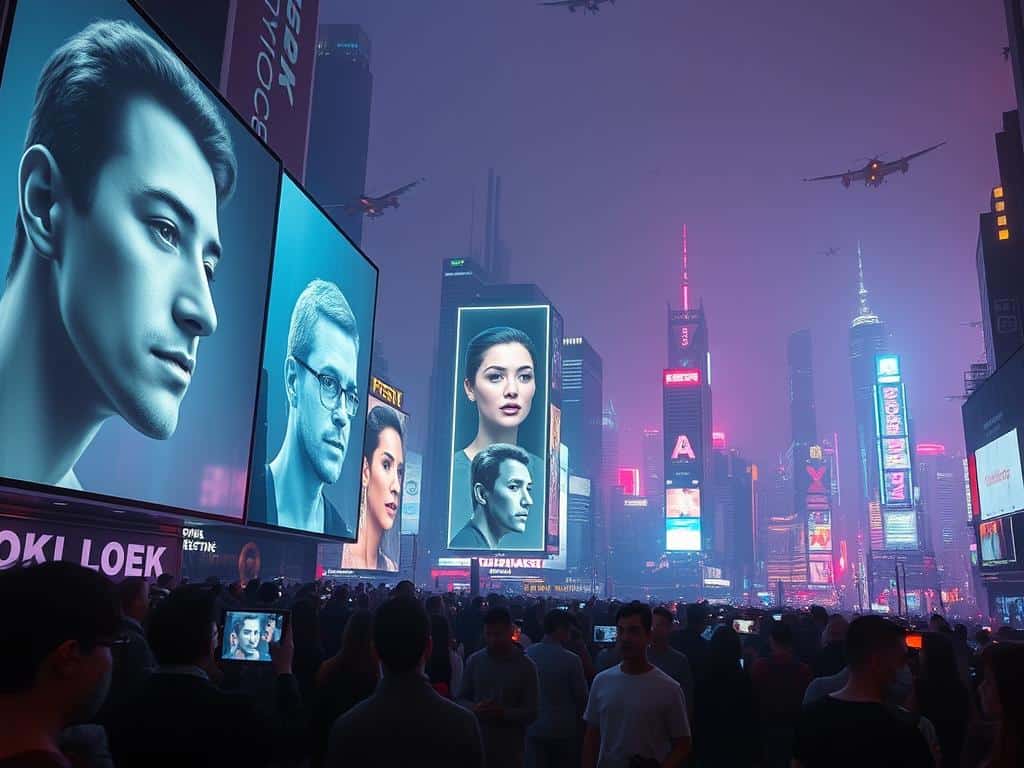
Deepfakes have two sides. They help in making movies and shows more real. But, they also have dark uses. They’re used in scams, to steal identities, and even to lie in politics.
It’s not just about making cool videos. We must also think about the dangers and the duties that come with this tech.
How to Spot a Deepfake
In today’s digital world, it’s key to know how to spot deepfakes. They can make it hard to tell what’s real and what’s not. I’ve found some important signs that help us see through these fake videos.
Key Indicators of Deepfake Media
When I check out videos, I look for signs of tampering. One big clue is when audio and lip movements don’t match up right. If there’s a delay or mismatch, it might mean something’s off.
Also, unnatural blinking can be a giveaway. Blinking that’s too slow or too fast is not normal. It’s a sign that something’s not quite right.
Common Flaws in Deepfake Videos
Looking closer at facial recognition, I see issues with lighting and shadows. If shadows don’t match the light source or if the lighting looks wrong, it’s a red flag. This could mean the video is a deepfake.
Facial features are another area to check. Asymmetrical parts or odd movements around the mouth and eyes can point to a fake. Even small things like facial hair and skin blemishes can help spot a fake.
Conclusion
Deepfake technology is getting better and easier to use. This means we need to be more careful when we watch or listen to things online. It’s important to know about deepfakes to trust what we see and hear online.
Deepfakes can change how we trust things we see online. We need to learn how to spot fake videos and photos. Sharing tips and resources can help us all stay safe online.
Deepfakes are getting more advanced, which is a big warning sign. We need to be careful and not just guess if something is real. Checking things carefully helps keep our online world safe and honest.
Being safe online means learning to spot real from fake. This helps us avoid problems caused by deepfakes. By teaching each other, we can make sure our online world is safe and true.
Learning to spot fake information is key in today’s world. This way, we can protect ourselves and others from harm. By staying informed, we can fight against fake news and keep our online world safe.