The Internet of Things (IoT) is revolutionizing the way we live and interact with technology. It’s estimated that by 2025, there will be over 75 billion IoT devices connected worldwide, generating vast amounts of data that can be used to enhance efficiency and convenience.
At its core, IoT refers to the network of interconnected devices that can collect, process, and exchange data without human intervention. This connectivity enables the creation of smart environments where devices communicate with each other to improve our daily lives.
As technology continues to evolve, IoT is becoming increasingly significant in various sectors, including consumer applications, healthcare, manufacturing, agriculture, and smart cities. I’ll be exploring the concept of IoT, its applications, benefits, challenges, and future trends in this article.
Key Takeaways
- Understanding the concept of IoT and its significance.
- Exploring the various applications of IoT across different sectors.
- Analyzing the benefits and challenges associated with IoT.
- Discussing the future trends in IoT development.
- Examining the role of IoT in creating smart environments.
What is the Internet of Things?
Understanding IoT requires exploring its definition, core concepts, and evolution. The Internet of Things (IoT) represents a complex network of interconnected devices that communicate with each other and their environment.
Definition and Core Concepts
At its core, IoT involves the integration of various technologies, including ubiquitous computing, commodity sensors, and embedded systems. These technologies enable the creation of smart devices that can collect and exchange data, making them an integral part of the IoT ecosystem.
The convergence of multiple technologies has driven the development of IoT. Older fields like embedded systems, wireless sensor networks, and automation have collectively enabled the IoT. This convergence has led to the emergence of complex ecosystems where devices can communicate and collaborate to deliver enhanced functionality.
The Evolution from Connected Devices to IoT Ecosystems
The evolution of IoT has transformed it from simple connected devices to complex ecosystems of interconnected technologies. Initially, IoT started with isolated smart devices that operated independently. However, as the technology advanced, these devices became integrated into larger systems where they could interact and provide more sophisticated services.
Today, IoT ecosystems create value by integrating devices, networks, data analytics, and applications to address specific needs and challenges. This integration has enabled the development of innovative solutions across various industries, making IoT a vital part of modern technology. As IoT continues to evolve, it’s likely to have an even more significant impact on our daily lives and the way we interact with things around us.
The History and Evolution of Internet of Things
The Internet of Things (IoT) has a rich history that spans several decades, transforming the way we interact with technology and devices. This evolution has been marked by significant milestones that have shaped the industry.
Early Developments
The concept of the “Internet of Things” was first introduced by Peter T. Lewis in 1985, describing it as the integration of people, processes, and technology with connectable devices. In the 1990s, the first Internet-connected toaster was demonstrated at an internet conference, showcasing the possibility of connecting everyday objects to the internet. The launch of IPv6 in 1998 was also crucial, providing enough IP addresses to accommodate billions of connected devices.
Mainstream Adoption and Growth
The 2000s saw the mainstream adoption of IoT, with the establishment of the Auto-ID Center at MIT in 1999 being a pivotal moment in IoT research and development. As the industry grew, the first IoT World Forum was held in 2013, marking the industry’s recognition of IoT as a distinct and important technological paradigm. Today, IoT continues to evolve, with advancements in technology enabling new applications and use cases.
Key Milestones in IoT Development
Some key milestones in IoT development include:
- The first mention of IoT by Peter T. Lewis in 1985, describing IoT as the integration of people, processes, and technology with connectable devices.
- The demonstration of the first Internet-connected toaster in 1990.
- The launch of IPv6 in 1998, providing enough IP addresses for billions of connected devices.
- The establishment of the Auto-ID Center at MIT in 1999.
- The first IoT World Forum in 2013.
How IoT Works: Technical Foundation
Understanding how IoT works requires a deep dive into its technical architecture and components. The IoT ecosystem is built on a complex interplay of various elements that work together to enable the collection, processing, and analysis of vast amounts of data.
IoT Architecture and Components
The architecture of IoT systems involves several key components, including sensors and devices that collect data from the environment. These devices are equipped with sensors that monitor various parameters such as temperature, humidity, and motion. The data collected by these sensors is then transmitted to processing units for analysis.
IoT devices are the backbone of the IoT ecosystem, generating vast amounts of data that can be analyzed to gain valuable insights. The architecture is designed to support the scalability and interoperability of these devices, ensuring seamless communication and data exchange.
Data Collection, Processing, and Analysis
The process of data collection, processing, and analysis is crucial in IoT. IoT data is collected by sensors and transmitted to edge computing devices or the cloud for processing. Edge computing plays a significant role in reducing latency and bandwidth consumption by processing data locally on or near the device.
Cloud computing platforms provide the necessary infrastructure and tools to store, process, and analyze IoT data at scale. Advanced analytics techniques, including machine learning, are applied to IoT data to identify patterns, predict outcomes, and enable automated decision-making. This enables businesses to make data-driven decisions and optimize their operations.
By leveraging these technical capabilities, IoT devices can provide actionable insights that drive business value. The integration of IoT with advanced analytics and cloud computing is transforming the way businesses operate and make decisions.
Essential Components of IoT Systems
Understanding the essential components of IoT systems is vital for appreciating their capabilities. IoT systems are complex and involve multiple layers and components that work together to enable their functionality.
Sensors and Actuators
Sensors and actuators are crucial elements of IoT devices. Sensors detect changes in the environment, such as temperature, humidity, or motion, and convert these into electrical signals. Actuators, on the other hand, perform actions based on the data received from sensors or other sources. Together, they enable IoT devices to interact with their environment.
Connectivity Technologies
Connectivity technologies are vital for IoT systems, enabling devices to communicate with each other and with the cloud. Various protocols and technologies, such as Wi-Fi, Bluetooth, and cellular networks, facilitate this connectivity. The choice of connectivity technology depends on factors like power consumption, range, and data transfer rate.
Cloud Computing and Edge Computing
The vast amounts of data generated by IoT devices are processed and analyzed using cloud computing and edge computing. Cloud computing provides scalable infrastructure for storing and analyzing data, while edge computing processes data closer to its source, reducing latency and improving real-time processing capabilities. This combination is crucial for efficient IoT operation over various networks. As stated by a leading expert, “Edge computing is a key component in the IoT ecosystem, allowing for faster data processing and reduced latency.”
“The cloud is where the vast amounts of data that is generated by IoT devices are stored, processed, and analyzed.”
By leveraging both cloud and edge computing, IoT systems can achieve optimal performance and efficiency incomputing.
IoT Standards and Protocols
As IoT continues to grow, the importance of standardized protocols and frameworks becomes increasingly evident. IoT systems rely on these standards to ensure interoperability and efficient data exchange between diverse devices.
Communication Protocols
Effective IoT communication relies on protocols such as MQTT, CoAP, and AMQP. These protocols facilitate the exchange of data between IoT devices, ensuring reliable and efficient communication. MQTT, for instance, is widely used for its lightweight messaging capabilities, while CoAP is designed for constrained networks and devices.
IoT Frameworks and Platforms
IoT frameworks and platforms provide the necessary infrastructure for developing, deploying, and managing IoT solutions. Cloud-based platforms like Amazon Web Services (AWS) IoT, Microsoft Azure IoT, and Google Cloud IoT offer comprehensive services for device connectivity, data processing, analytics, and application development. Additionally, open-source frameworks such as Arm Mbed IoT and Eclipse IoT provide scalable and secure environments for IoT development. These platforms support the integration of various cloud services, enabling robust IoT ecosystems.
Consumer Applications of IoT
Consumer applications of IoT are transforming the way we live, work, and interact with our surroundings. The integration of IoT technology into daily life has led to the development of innovative solutions that enhance comfort, efficiency, and productivity.
Smart Home Devices and Systems
Smart home IoT devices are revolutionizing home automation, making it easier to control lighting, temperature, security, and entertainment systems remotely. For instance, smart thermostats like Nest learn your temperature preferences and adjust accordingly, optimizing energy consumption.
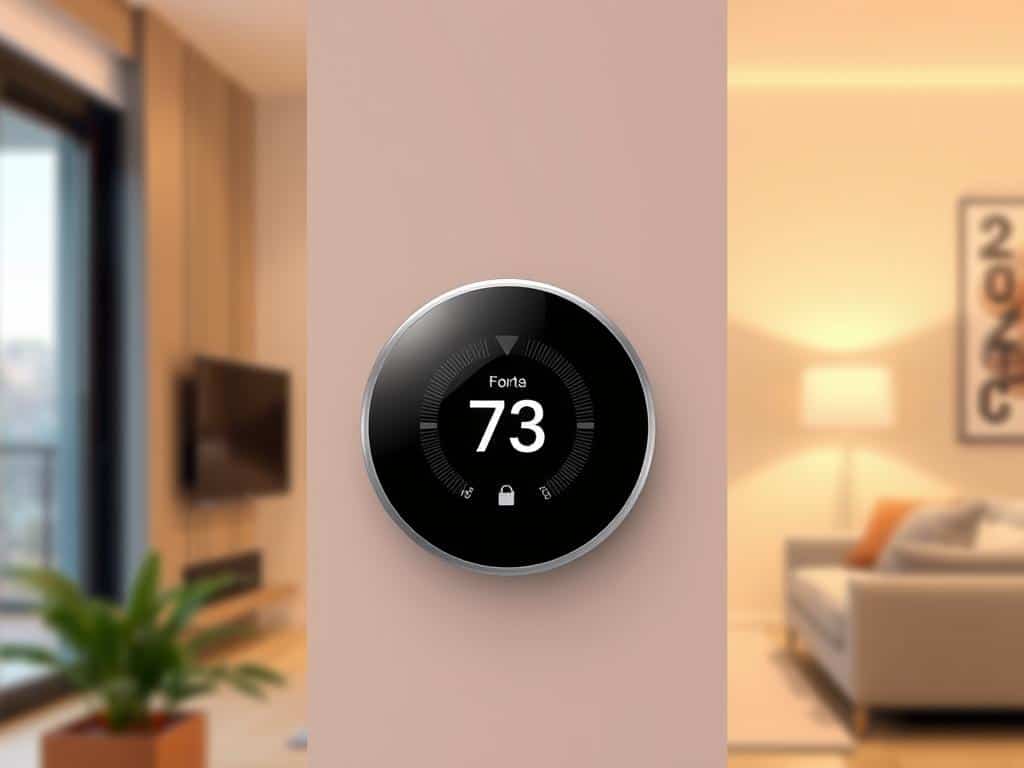
These devices not only enhance convenience but also contribute to energy efficiency and cost savings. By integrating various smart devices, homeowners can create a seamless and connected living experience.
Wearable Technology
Wearable IoT devices, such as fitness trackers and smartwatches, are designed to monitor health metrics like physical activity, heart rate, and sleep patterns. These devices empower users to maintain wellness and achieve fitness goals by providing valuable insights into their daily activities.

Moreover, medical wearables like continuous glucose monitors and ECG monitors are revolutionizing healthcare by enabling continuous monitoring and timely interventions. Wearable technology is also being used for public safety, for example, by improving response times during emergencies.
The diverse landscape of wearable IoT devices includes smart clothing and accessories that track posture, muscle activity, and environmental conditions. These innovations have applications in sports, healthcare, and workplace safety, underscoring the versatility of IoT technology in enhancing our lives.
IoT in Healthcare and Wellness
The Internet of Things (IoT) is transforming the healthcare sector in unprecedented ways. By connecting devices, people, and systems, IoT is revolutionizing the way healthcare is delivered and managed.
Remote Patient Monitoring
Remote patient monitoring is one of the significant applications of IoT in healthcare. Through connected devices, healthcare providers can monitor patients’ vital signs and health conditions in real-time, enabling timely interventions and reducing the need for hospital visits. This is particularly beneficial for patients with chronic conditions who require continuous monitoring. IoT devices generate a continuous stream of health data, providing a more comprehensive view of patient health than periodic clinical measurements.
Medical Devices and Equipment Tracking
IoT is also being used to track medical devices and equipment within healthcare facilities. This not only helps in managing inventory but also ensures that critical equipment is available when needed, thus improving the efficiency of healthcare services. By leveraging IoT systems, hospitals can reduce costs associated with lost or misplaced equipment.
Health Data Management and Analysis
The vast amount of data generated by IoT devices in healthcare presents both opportunities and challenges. Advanced analytics and machine learning algorithms are applied to this data to identify patterns, predict health events, and recommend interventions. Effective health data management is crucial for improving patient outcomes and reducing healthcare costs. According to a 2015 Goldman Sachs report, healthcare IoT devices can save the United States more than $300 billion in annual healthcare expenditures.
By integrating IoT technology into healthcare, we can create more personalized and proactive healthcare approaches. The potential of IoT in healthcare is vast, and its continued adoption is expected to drive significant improvements in patient care and operational efficiency.
Industrial Internet of Things (IIoT)
By integrating IoT technologies into industrial settings, IIoT is revolutionizing manufacturing, maintenance, and supply chain management. This integration enables industries to become more efficient, reduce costs, and improve product quality.

Manufacturing Applications
IIoT is transforming manufacturing by enhancing production processes through real-time monitoring and data analysis. IoT devices can be used to track equipment performance, predict potential failures, and optimize production workflows. For example, sensors can monitor machine conditions, allowing for timely maintenance and reducing downtime.
Predictive Maintenance
Predictive maintenance is a critical application of IIoT, enabling industries to anticipate equipment failures and schedule maintenance accordingly. By analyzing data from sensors and machines, companies can identify patterns that indicate potential issues, thus reducing unplanned downtime and improving overall equipment effectiveness.
Supply Chain Optimization
IIoT is also revolutionizing supply chain management by providing end-to-end visibility and real-time tracking of goods and materials. IoT-enabled asset tracking using RFID, GPS, and other technologies allows companies to monitor the location and condition of products throughout the supply chain. This leads to optimized inventory management and improved supply chain resilience.
By leveraging IIoT technologies, companies can enhance their supply chain operations, reduce costs, and improve customer satisfaction. The use of IoT sensors to monitor environmental conditions during transportation ensures product quality, particularly for sensitive goods like pharmaceuticals and perishable foods.
Smart Cities and Infrastructure
As cities grow, the integration of IoT in urban planning is becoming increasingly crucial. The concept of smart cities revolves around utilizing IoT technologies to enhance the quality of urban living, making cities more efficient, sustainable, and livable.
Urban Planning and Management
IoT is revolutionizing urban planning by providing real-time data on various aspects of city operations. This enables city administrators to make informed decisions, optimizing resource allocation and improving public services. For instance, IoT sensors can monitor environmental conditions, track waste management, and oversee public safety, thereby enhancing the overall efficiency of city operations.
Transportation and Traffic Systems
IoT is transforming transportation and traffic systems by introducing smart traffic management solutions. These solutions use real-time data to optimize traffic flow, reduce congestion, and improve travel times. Smart traffic lights, for example, can adjust their timing based on traffic conditions, reducing congestion and lowering emissions.
Energy Management and Sustainability
IoT plays a critical role in enhancing energy management and promoting sustainability in cities. By using IoT devices to monitor energy usage and optimize consumption, cities can reduce energy costs and improve sustainability. Smart grid technologies, smart meters, and smart lighting systems are some of the initiatives that contribute to this goal. For example, smart lighting systems adjust brightness based on occupancy and ambient light conditions, reducing energy consumption while maintaining appropriate illumination.
By leveraging IoT technologies, cities can become more sustainable, efficient, and livable, ultimately enhancing the quality of life for their citizens.
IoT in Agriculture and Environmental Monitoring
With the help of IoT, farmers and conservationists can now make data-driven decisions. IoT devices are being used in agriculture to monitor soil conditions, weather patterns, and crop growth, enabling farmers to optimize crop yields and reduce waste.
Precision Farming and Crop Management
IoT sensors are revolutionizing precision farming by providing real-time data on soil moisture, temperature, and crop health. For instance, sensors can measure the moisture content of soil, ensuring that crops are irrigated at the optimal time. This not only conserves water but also improves crop yields. Additionally, IoT devices can monitor livestock health, track equipment, and manage supply chains, making farming operations more efficient.
Environmental Sensing and Conservation
IoT technologies are being deployed for environmental monitoring and conservation efforts across various ecosystems. Networks of IoT sensors monitor air quality, water quality, noise levels, and radiation in urban and natural environments, providing real-time data on environmental conditions. For example, IoT-enabled tags and collars help researchers study animal behavior, migration patterns, and habitat use while minimizing human disturbance. Furthermore, IoT systems monitor forests for early detection of fires, illegal logging, and disease outbreaks, helping to protect these vital ecosystems.
IoT solutions for water management also monitor river levels, rainfall, and water quality to prevent flooding, manage water resources, and protect aquatic ecosystems, supporting conservation efforts.
Benefits of Internet of Things
IoT is driving innovation and growth by offering a wide range of benefits. As IoT continues to evolve, its impact on businesses and society is becoming increasingly significant.
Efficiency and Productivity Improvements
IoT enhances efficiency and productivity by automating processes and providing real-time monitoring capabilities. With IoT devices, businesses can streamline operations, reduce manual errors, and improve overall performance. For instance, in manufacturing, IoT sensors can monitor equipment performance, predict maintenance needs, and optimize production workflows.
Cost Reduction and Resource Optimization
The use of IoT leads to significant cost reductions by optimizing resource utilization. IoT devices help businesses monitor and manage resources more effectively, reducing waste and improving resource allocation. For example, smart energy management systems can optimize energy consumption, leading to substantial cost savings.
Enhanced Decision-Making Through Data Analytics
IoT generates vast amounts of data that can be analyzed to gain valuable insights, enabling businesses to make more informed decisions. Advanced analytics tools, including machine learning algorithms and predictive analytics models, help extract actionable insights from IoT data. By leveraging these insights, businesses can improve decision-making, drive innovation, and stay competitive.
By harnessing the power of IoT data and analytics, organizations can transform their operations, drive growth, and achieve a competitive edge. As IoT continues to evolve, its benefits are expected to grow, leading to even more innovative applications and use cases.
Security and Privacy Challenges
As IoT devices become increasingly integral to our daily lives, the importance of addressing security and privacy challenges cannot be overstated. The interconnected nature of IoT systems introduces unique vulnerabilities that can be exploited by malicious actors.
Common Vulnerabilities in IoT Systems
IoT devices often suffer from inherent security weaknesses, including weak passwords, outdated software, and inadequate encryption. These vulnerabilities can be exploited to gain unauthorized access to sensitive data and disrupt networks. Ensuring the security of IoT devices is crucial to protect user privacy and maintain protection against cyber threats.
Notable IoT Security Breaches
Several high-profile IoT security breaches have highlighted the severity of these challenges. For instance, the Mirai botnet attack in 2016, which exploited weak passwords in IoT devices, resulted in significant disruptions to major online services. Such incidents underscore the need for robust security measures and encryption to safeguard IoT ecosystems.
Best Practices for Securing IoT Devices
To mitigate IoT security risks, implementing strong authentication mechanisms, such as multi-factor authentication and unique passwords, is essential. Regular security updates and patches are also vital. Additionally, employing encryption for data at rest and in transit can significantly enhance the protection of IoT devices and the networks they operate on.
By adopting these best practices and promoting awareness about IoT security and privacy concerns, we can work towards creating a more secure IoT environment.
Implementation Challenges and Limitations
IoT implementation is fraught with challenges, including interoperability issues, data management complexities, and regulatory compliance considerations. As organizations adopt IoT solutions, they must navigate these challenges to ensure successful deployment.
Interoperability Issues
One of the significant challenges in IoT implementation is ensuring interoperability between different devices and systems. With various manufacturers and protocols involved, achieving seamless communication and data exchange can be daunting. Standardization efforts are underway to address this issue, but it remains a pressing concern for many organizations.
Data Management Complexities
IoT devices generate vast amounts of data, which can be challenging to manage and analyze. Organizations must implement robust data management strategies to handle this data deluge, ensuring that they can extract valuable insights while maintaining data protection and security.
Regulatory and Compliance Considerations
The proliferation of IoT devices has led to increased regulatory scrutiny, with governments and industries developing standards and guidelines to address privacy and security concerns. Organizations must comply with diverse regulations, such as GDPR and CCPA, when implementing IoT solutions. This includes adopting privacy by design principles, minimizing data collection, and ensuring transparent compliance practices.
By understanding these challenges and limitations, organizations can better navigate the complexities of IoT implementation and create effective strategies to overcome them.
The Future of IoT Technology
The future of IoT holds much promise, with emerging trends and innovations expected to drive growth and adoption across industries. As the number of IoT devices continues to grow, businesses must be prepared to adapt to new technologies and embrace new use cases and applications.
Emerging Trends and Innovations
Several emerging trends are expected to shape the future of IoT. These include the increasing use of 5G networks, which will enable faster data transfer rates and lower latency. Additionally, advancements in edge computing will allow for more efficient data processing and analysis. The development of new IoT applications and use cases will also drive growth, particularly in areas such as smart cities, industrial automation, and healthcare.
Integration with AI and Machine Learning
The integration of IoT with Artificial Intelligence (AI) and Machine Learning (ML) will be a key driver of future growth. By combining IoT data with AI and ML algorithms, businesses will be able to gain deeper insights and make more informed decisions. This convergence will also enable the development of more sophisticated IoT applications, such as predictive maintenance and smart energy management.
Predictions for IoT Growth and Adoption
Industry forecasts suggest that the global IoT market will reach trillions of dollars within the next decade, driven by both consumer and industrial applications. The declining costs of sensors, connectivity, and computing power will accelerate IoT adoption, making implementations more affordable and accessible to organizations of all sizes. As a result, we can expect to see significant growth in sector-specific IoT applications, including smart cities, industrial automation, healthcare, agriculture, and consumer applications.
Getting Started with IoT: Practical Considerations
To harness the power of IoT, one must first navigate the practical considerations that come with it. This involves understanding the various components, technologies, and strategies that enable successful IoT implementations.
Choosing the Right IoT Devices and Platforms
Selecting the appropriate IoT devices and platforms is a critical step. Popular IoT frameworks include Amazon Web Services (AWS) IoT, Arm Mbed IoT, and Microsoft Azure IoT Suite. These platforms offer a range of services and tools that facilitate device connectivity, data processing, and analysis.
When choosing IoT devices, consider factors such as compatibility, security, and scalability. It’s also essential to evaluate the technology and protocols used by the devices to ensure they align with your needs.
Implementation Strategies for Businesses
For businesses, implementing IoT solutions requires careful planning and execution. This involves assessing the organization’s needs, identifying areas for improvement, and developing a tailored IoT strategy. Effective implementation also depends on having the right resources and expertise in place.
Resources for Learning and Development
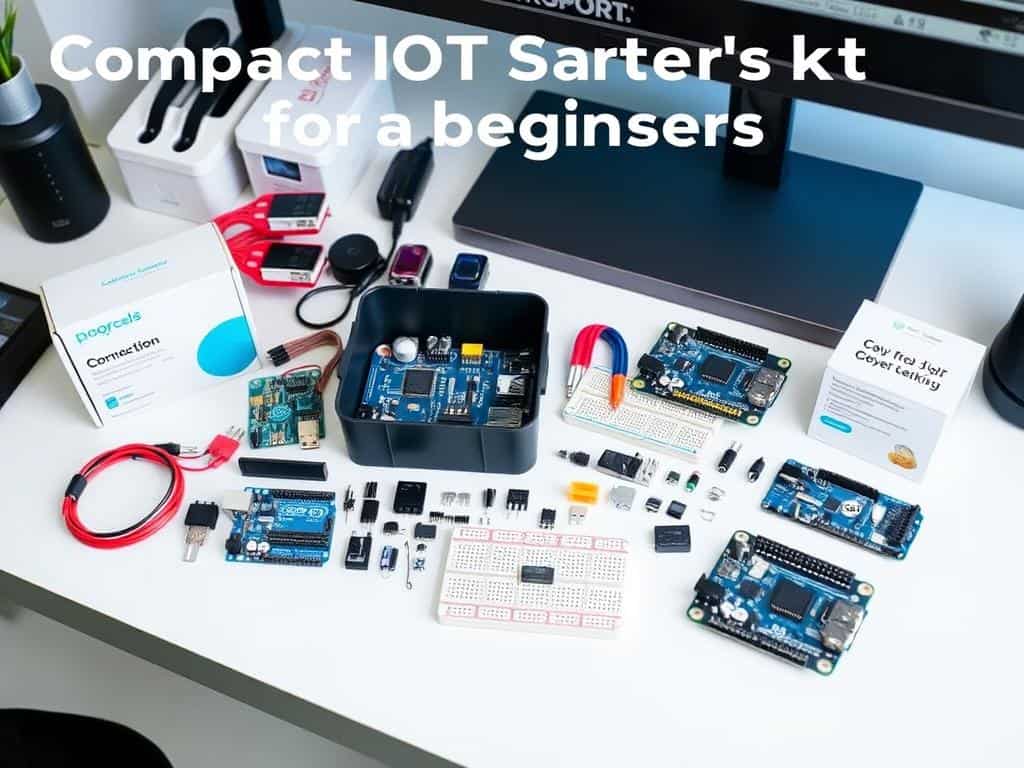
To support IoT adoption, various resources are available for learning and development. Online courses and certifications on platforms like Coursera, Udemy, and edX can help build foundational knowledge. Additionally, vendor-specific training programs and developer kits, such as Arduino and Raspberry Pi, provide hands-on experience with IoT platforms and technologies.
Conclusion
The Internet of Things is revolutionizing the way we interact with technology and the physical world. As we’ve explored throughout this article, IoT represents a fundamental shift in how we live, work, and interact with one another.
The transformative impact of IoT is being felt across various industries, from consumer applications to healthcare, manufacturing, agriculture, and smart cities. This widespread adoption is driven by the declining cost of IoT devices and the potential for increased efficiency, innovation, and improved quality of life.
However, the opportunities presented by IoT are balanced by challenges such as security, privacy, and interoperability concerns. To maximize the benefits of IoT, businesses must adopt thoughtful implementation strategies that focus on clear objectives, security by design, and effective data management.
As the number of IoT devices continues to grow, it’s essential for businesses to be prepared to adapt to new technologies and embrace new use cases and applications. Those that are able to do so will be positioned to reap the benefits of this transformative technology.
Looking to the future, IoT is expected to continue evolving and integrating with other emerging technologies. The Internet of Things will likely play an increasingly important role in shaping our world, making it essential for readers to stay informed and consider how they might leverage IoT in their own contexts.
In conclusion, the Internet of Things is a powerful force driving change across industries. By understanding its potential and challenges, we can harness its power to create a more efficient, innovative, and connected world.