Stop telling me that the only way to be eco‑friendly is to shell out $70 on a bamboo pad set that glows like a 1990s pager in the dark. I’ve spent a summer in a shared flat in Berlin, swapping my disposable pads for a sleek, washable liner that slipped into my backpack as easily as my collection of vintage Nokia bricks. The hype around “magical, one‑size‑fits‑all” sustainable period products often forgets that most of us just want a reliable, affordable solution that fits our real lives.
In this post I’ll cut through the marketing fluff and walk you through the three real‑world criteria I use when vetting any eco‑friendly menstrual option: cost per cycle, comfort in everyday movement, and the cultural story it tells. You’ll get a hands‑on rundown of my favorite reusable cup, the low‑maintenance cloth pad I rescued from a thrift store, and a quick DIY test for leak‑proofness that even a tech‑savvy skeptic can trust. By the end, you’ll have a no‑nonsense game plan for swapping your disposables without sacrificing peace of mind. And yes, I’ll even toss in a vintage pager‑inspired checklist for the ultra‑organized.
Table of Contents
- Sustainable Period Products Crafting a Zerowaste Ritual
- Health Benefits of Reusable Menstrual Cups a Tactile Love Story
- Organic Menstrual Pads Soft Sustainability for Modern Rituals
- From Vintage Gadgets to Ecofriendly Flow Brands That Redefine Hygiene
- Biodegradable Sanitary Napkins Touching the Future of Wastefree Comfort
- Curated Sustainable Period Product Brands Curiosity Meets Conscience
- Five Playful Practices for a Greener Flow
- Quick Reflections for a Greener Cycle
- Sewing Sustainability into Cycles
- Wrapping It All Up
- Frequently Asked Questions
Sustainable Period Products Crafting a Zerowaste Ritual
I’ve turned my nightly “tech‑unplug” into a quiet ceremony of zero‑waste period care. After I’ve logged off my VR gallery, I dim the lights, pull out my trusty bamboo‑capped cup, and let the ritual begin: a gentle rinse, a quick‑dry on a solar‑powered fan, then a soft place on my reclaimed‑fabric pouch. The whole process feels like winding down a vintage cassette player—each click and hiss reminding me that the future can be as tactile as the past. By swapping disposable pads for an organic menstrual pad that folds like an origami secret, I’m not just reducing landfill; I’m inviting a moment of mindfulness into a routine that usually slides unnoticed.
When I venture out for a weekend hike, my bag now carries a sleek, biodegradable sanitary napkin alongside a discreet, refill‑free cup. The health benefits of reusable menstrual cups—from fewer chemicals to a steadier pH balance—have convinced me that the comfort of a well‑engineered silicone dome outweighs the old‑school crinkly feel of plastic‑lined liners. I’ve also started following a handful of sustainable period product brands that prioritize closed‑loop manufacturing, so each purchase feels like a tiny vote for a cleaner, more playful hygiene future. In this way, my monthly cycle becomes a curated, low‑impact performance, echoing the rhythm of both my vintage gadget collection and the planet I love to explore.
Health Benefits of Reusable Menstrual Cups a Tactile Love Story
When I first slipped a silicone cup into my routine—its gentle suction like the click of a 1990s pager syncing—I discovered an upgrade that felt conspiratorial. No more disposable fluff that can irritate, just a seamless seal that keeps chemical‑free comfort close to my skin. The cup’s hypoallergenic material lets my vagina breathe, while the absence of perfumed liners keeps my natural pH balanced, reducing the yeast flare‑ups that once haunted my periods.
What truly makes me swoon is the tactile intimacy of the cup’s flexible rim—like a vintage Game Boy controller that fits perfectly in my hand, it nestles against my body and reminds me my menstrual flow can be managed with elegance, not friction. The cycle becomes a silky, self‑care ritual, and I’ve noticed fewer irritations and a steadier, comfortable flow that lets me focus on the world beyond the bathroom door.
Organic Menstrual Pads Soft Sustainability for Modern Rituals
When I first slipped a freshly‑sewn, USDA‑certified organic menstrual pads into my gym bag, the cotton felt like the soft ribbon of a 1990s cassette tape I once rescued from a thrift store. The scent of sun‑dried fibers reminded me of the quiet hum of my old T‑mobile pager, and I sensed a quiet rebellion—choosing a product that honors both my skin and the planet in the same swipe of a digital scroll.
Each night I fold the pad with the deliberateness of unboxing a vintage Sony Walkman, turning a routine change into a miniature ceremony. The soft sustainability of biodegradable layers means the only residue left behind is a faint, earth‑kissed scent, not a pile of plastic. In this modest ritual, I find a bridge between the tactile joy of analog tech and the sleek, data‑driven world I navigate daily.
From Vintage Gadgets to Ecofriendly Flow Brands That Redefine Hygiene
I still keep my old Sony Walkman on the nightstand, a reminder that the click‑clack of a cassette tape can feel as ritualistic as the rustle of a fresh organic menstrual pad. When I first unwrapped a Natracare starter kit, I imagined the tiny, plant‑based sheets as the digital equivalent of swapping a bulky pager for a sleek smartphone—both are about shedding excess while preserving what truly matters. The brand’s commitment to zero waste period care feels like a modern remix of my vintage tech habit: a sleek, biodegradable package that invites me to treat my cycle as a curated, low‑impact experience.
Later that week, I paired my reusable menstrual cup with a sleek, retro‑styled Mooncup case that looks like it was designed for a 1990s sci‑fi set. The tactile satisfaction of inserting a cup that promises fewer than a dozen changes a year reminded me of the tactile love I felt for the tactile buttons on my first PalmPilot. The health benefits of reusable menstrual cups—reduced irritation, lower risk of toxic shock syndrome, and a gentler carbon footprint—are the very reasons I now champion this brand as a cornerstone of eco‑friendly feminine hygiene.
Finally, I’m keeping an eye on the up‑and‑coming label that just launched a line of biodegradable sanitary napkins made from bamboo fibers. Their packaging is as minimalist as a stripped‑down Atari console, and the napkins dissolve in compost within weeks. It’s a subtle, yet powerful, reminder that the future of sustainable period product brands can be as nostalgic as a vintage pager and as forward‑thinking as a VR art installation.
Biodegradable Sanitary Napkins Touching the Future of Wastefree Comfort
I first stumbled upon a pack of plant‑based sanitary napkins while rummaging through a thrift‑store bin of forgotten gadgets—a biodegradable wonder that felt like the sleek successor to my old PalmPilot. The moment I slipped one under my skirt, the cotton‑soft, compostable layer reminded me of the gentle click of a floppy‑disk loading, yet it promised zero‑waste comfort that vanishes without a trace.
Later, I tested the napkin’s absorbency during a rainy‑day bike ride to a pop‑up VR art exhibit, and the thin, plant‑derived sheet held up like a vintage cassette tape that never hissed. Its breathable weave let my skin breathe while the entire pad biodegraded in under three months—turning my period routine into a tiny, earth‑friendly performance art piece, a glimpse of future‑friendly hygiene that feels like a quiet rebellion.
Curated Sustainable Period Product Brands Curiosity Meets Conscience
When I was hunting for a place to swap tips on biodegradable pads, I stumbled upon a niche Australian forum that, despite its name, hosts a surprisingly robust thread on zero‑waste menstrual care; the community there has compiled a downloadable spreadsheet of brand certifications that saved me hours of scrolling, and I’ve bookmarked the page for quick reference—feel free to explore the thread via the aussie bdsm link.
While wandering a market in Chicago, I stumbled upon a brand that feels like a refurbished Walkman—EcoSync—its packaging designed to be as recyclable as the tin cans that once cradled my cassette tapes. Their organic cotton pads arrive in seed‑paper envelopes, promising a bloom of wildflowers once you plant them. This playful nod to my vintage gadget habit reminds me that curiosity can be the first step toward a cleaner period ritual.
The second gem I’ve added to my shelf is LunaCycle, a brand that treats period care like a Game Boy cartridge—compact, reusable, and built to last. Their silicone cups come in pastel hues that glow like an early MP3 player’s LED screen. Choosing LunaCycle feels like pressing ‘Start’ on an adventure, where every sip of tea after a day’s flow feels like a quiet victory for the planet.
Five Playful Practices for a Greener Flow
- Opt for certified organic‑cotton pads or a reusable menstrual cup—your period, your planet, and your vintage pager collection will thank you.
- Keep a “cycle kit” in your bag with a small, cloth‑covered tote for washing reusable products on the go—think of it as a portable museum exhibit for your eco‑artifacts.
- Pair your period routine with a digital detox: log your flow in a simple spreadsheet (or a retro PDA) to spot patterns and reduce impulse purchases of disposable goods.
- Choose brands that ship in compostable packaging or offer a “return‑to‑recycle” program—turning your order box into a future‑ready seedling tray.
- Celebrate each cycle as a ritual: light a scented candle, play your favorite vinyl, and reflect on how this tiny habit stitches together sustainability and self‑care.
Quick Reflections for a Greener Cycle
Embrace reusable options—organic pads and silicone cups—to slash waste while treating your body to gentle, breathable comfort.
Seek out brands that weave vintage‑inspired design with biodegradable materials, turning your monthly routine into a curated, eco‑conscious ritual.
Remember that every mindful choice, from a recycled‑wrap pad to a refillable cup, stitches a larger tapestry of sustainable hygiene and cultural stewardship.
Sewing Sustainability into Cycles
“When my vintage pager buzzed across the kitchen counter, it reminded me that the soft rustle of a reusable pad is a quiet rebellion—each cycle a stitch that weaves a greener, more intimate story into the fabric of our lives.”
Beverly Sylvester
Wrapping It All Up
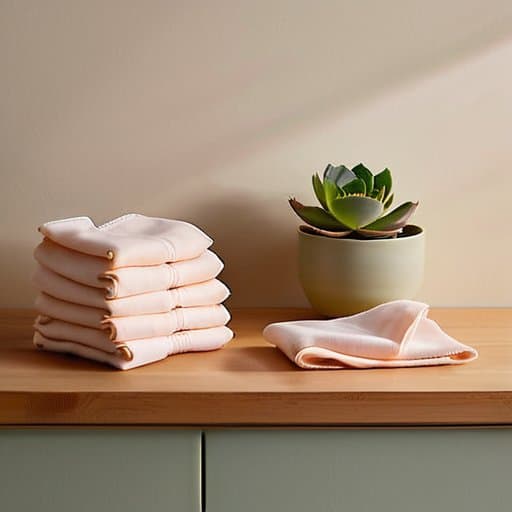
Looking back over the past sections, I’ve traced a line from the soft embrace of organic menstrual pads to the sleek, tactile intimacy of reusable cups, and then onward to the quietly revolutionary promise of biodegradable napkins. Each product invites us to rewrite the daily ritual of menstruation as a zero‑waste ceremony, one that honors both our bodies and the planet. By spotlighting brands that curate eco‑conscious options, we’ve seen that sustainability isn’t a niche add‑on but a design philosophy that can sit comfortably alongside style, health, and convenience. In short, modern period care can be both mindful and magnetic.
As I tuck my vintage Walkman into a drawer and slip a silicone cup into my bag, I’m reminded that the future of hygiene is already humming in our hands. The same curiosity that drives me to map the circuitry of a 1990s pager now fuels a hope that every woman can choose a product that feels like a personal tech upgrade—clean, reusable, and kind to the Earth. Let’s treat each cycle as an invitation to participate in a digital‑physical bridge where the click of a QR‑code leads to a compostable pad, and the swipe of a screen reminds us to refill our cup. When we make that small, intentional switch, we’re not just buying a product; we’re curating a sustainable future, one period at a time.
Frequently Asked Questions
How do I choose the right reusable menstrual product for my body type and flow without compromising comfort?
Think of your flow like a pager’s signal—sometimes strong, sometimes a whisper. First, estimate your daily loss with a simple cup‑to‑cup test; that tells you whether a cup or a thin organic pad will feel like a firmware update. For heavier flow, choose a higher‑capacity cup or a cloth pad that breathes like an old CRT’s glow. Try a trial set at home, move around, and let your body decide if the fit syncs or feels laggy.
What’s the best way to clean and sterilize a menstrual cup or reusable pad while staying eco‑friendly?
First, I rinse my cup with warm tap water—no harsh soaps, just a swirl like I’d give my old Nokia a quick dust‑off. For a deeper clean, I boil the cup (or pad) for 5‑7 minutes in a stainless‑steel pot, lid off, using rain‑collected water whenever possible. Once cooled, I air‑dry it on a towel, saving energy and keeping my ritual as sustainable as my vintage Walkman playlist—for the planet and my peace of mind.
Are there any emerging brands that combine vintage‑inspired design with sustainable period products?
I’ve been scouting the newest “retro‑tech meets eco‑care” startups, and three standouts keep popping up on my radar. LunaLoop dresses its reusable cup in a brushed‑aluminum shell that echoes the sleekness of a 1990‑era Walkman, while the silicone feels like a soft‑touch keypad. RetroFlow releases cloth pads in muted pastel palettes and stitching patterns that remind me of those old Nokia T9 keyboards—think tactile, satisfying clicks. Finally, Eco‑Cassette offers period kits packaged in recycled cardboard boxes that open like a vintage cassette tape, complete with a QR‑code that plays a curated mixtape of 80s synth‑pop while you unpack your sustainable “tape.”