The world of technology is rapidly evolving, and at the heart of this evolution are programming languages that enable developers to create innovative applications and solve complex problems. As we move into 2025, the landscape of programming is a blend of established, modernized, and new languages designed for emerging fields like artificial intelligence, blockchain, and the Internet of Things (IoT).
I will provide a comprehensive overview of the fundamental role of programming languages in software development and computer science, highlighting their importance across various industries and applications.
Key Takeaways
- Understanding the basics of programming languages and their role in software development.
- The significance of different programming languages across various industries.
- The growing demand for programming expertise in today’s job market.
- An overview of the key topics covered in this guide, from basic concepts to advanced language features.
- The evolution of programming languages and their impact on innovation and problem-solving.
- The foundational role of programming languages in all software development.
What Are Programming Languages?
Programming languages are formal languages that comprise sets of instructions executed by computers to produce various outputs. These languages are designed to enable humans to communicate with machines through code that can be translated into machine-readable instructions.
Definition and Purpose
A programming language is a tool that allows developers to write programs and create software applications. The primary purpose of a programming language is to provide a means for humans to instruct computers on what tasks to perform. This is achieved by writing code in a language that the computer can understand, either directly or through compilation/interpretation.
The language serves as an abstraction layer between human thinking and computer operations, making it possible to develop complex software systems. By using a programming language, developers can express algorithms and data structures to solve specific problems through coding.
How Programming Languages Work
Programming languages work by providing a set of rules, known as syntax and semantics, that govern how code is written. The syntax defines the structure of the language, while the semantics determine the meaning of the instructions. When a programmer writes code in a programming language, they are creating a set of instructions that a computer can execute.
The process involves translating the human-readable code (source code) into machine code that the computer can execute directly. This translation is done through either compilation or interpretation, depending on the language. The result is a program or software application that performs the desired tasks.
Over time, programming languages have evolved to make software development more efficient, readable, and maintainable. This evolution has led to the development of various programming languages, each with its strengths and suited for different applications.
The Evolution of Programming Languages
The development of programming languages has been shaped by the need for more efficient, readable, and powerful coding. As technology advances, programming languages continue to evolve to meet new challenges and requirements.
Early Programming Languages
Early programming languages were closely tied to the hardware and were often machine-specific. Assembly languages, for instance, used symbolic representations of machine code instructions to make programming easier. The first high-level languages, such as FORTRAN and COBOL, introduced more abstract and portable programming concepts. These languages laid the foundation for modern programming paradigms and were widely used in various applications, including scientific computing and business data processing.
The introduction of structured programming languages like C marked a significant improvement in programming practices. Structured programming emphasized modular code, loops, and conditional statements, making programs more readable and maintainable.
Modern Programming Language Development
The evolution of programming languages continued with the advent of object-oriented programming (OOP) languages like Smalltalk, C++, and Java. OOP introduced concepts such as encapsulation, inheritance, and polymorphism, which revolutionized software development by enabling more modular, reusable, and maintainable code.
Modern programming languages like Python, JavaScript, and Rust emphasize developer productivity and are designed for specific use cases. For example, Python is widely used in data science and machine learning, while JavaScript is crucial for web development. The development of these languages is driven by the need for more efficient and readable code.
The Impact of Technology on Programming Languages
The rapid advancement of technology has significantly influenced the development of programming languages. The rise of the internet led to the creation of web-focused languages like PHP and Ruby. More recently, the growth of mobile devices has driven the development of languages like Swift for iOS and Kotlin for Android.
Furthermore, emerging technologies such as cloud computing, artificial intelligence, and the Internet of Things (IoT) continue to shape the language landscape. Programming languages are evolving to address the challenges posed by these technologies, ensuring that developers have the tools needed to create efficient, scalable, and secure applications.
Types of Programming Languages
There are multiple ways to categorize programming languages, but they generally fall into five major categories: procedural, object-oriented, functional, scripting, and logic programming languages. Understanding these categories is essential for developers to choose the right tool for their projects and to appreciate the strengths and weaknesses of each language.
Procedural Programming Languages
Procedural programming languages follow a procedural approach to programming, where a program is broken down into procedures or functions that perform specific tasks. Examples include C and Pascal. These languages are known for their efficiency and are often used in systems programming.
The key features of procedural programming languages include the use of procedures, functions, and loops to control the flow of a program. This paradigm is useful for applications that require a step-by-step approach.
Object-Oriented Programming Languages
Object-oriented programming (OOP) languages, such as Java, C++, and Python, organize software design around objects and the relationships between them. OOP promotes code reusability, modularity, and easier maintenance.
Some key features of OOP languages include encapsulation, inheritance, and polymorphism. These features enable developers to create complex systems that are easier to manage and extend.
Functional Programming Languages
Functional programming languages, like Haskell and Lisp, focus on the evaluation of expressions and the use of pure functions. They avoid changing state and mutable data, which can make code easier to reason about and predict.
Functional programming is particularly useful for concurrent programming and data processing tasks. It encourages a declarative programming style, where the focus is on specifying what the program should accomplish rather than how it should accomplish it.
Scripting Languages
Scripting languages, such as JavaScript, Python, and Ruby, are interpreted rather than compiled. They are often used for rapid development, scripting, and web development. Scripting languages are known for their flexibility and ease of use.
One of the key features of scripting languages is their ability to be executed directly without a compilation step, making them ideal for tasks that require quick development and execution.
Logic Programming Languages
Logic programming languages, like Prolog, are based on formal logic. They are used to express facts and rules, and the language interpreter uses these to make decisions or deduce new information.
Logic programming is particularly useful in artificial intelligence and computational linguistics, where the ability to reason about complex rules and facts is crucial.
Many modern programming languages are multi-paradigm, incorporating elements from different types to provide flexibility to developers. This allows developers to choose the best approach for their specific needs, combining the strengths of various programming paradigms.
High-Level vs. Low-Level Programming Languages
In the realm of programming, languages are classified into two main categories: high-level and low-level, based on their abstraction level. This classification is fundamental in understanding the capabilities and limitations of various programming languages.
Low-Level Languages and Their Applications
Low-level languages, such as Assembly and machine code, are closer to the machine language that the computer’s processor understands. These languages provide direct access to hardware resources, making them highly efficient in terms of execution speed and memory usage. However, they are more difficult to learn and use because they require a deep understanding of the computer’s architecture.

The advantages of low-level languages include their efficiency, speed, and control over hardware resources. This makes them ideal for developing operating systems, embedded systems, and other applications that require direct hardware manipulation.
High-Level Languages and Their Benefits
On the other hand, high-level languages like Python, Java, and JavaScript offer higher abstractions, making them more readable and easier to learn. They are designed to be human-friendly, allowing programmers to focus on the logic of the program without worrying about the details of the hardware.
The benefits of high-level languages include faster development times, better portability across different platforms, and a reduced likelihood of errors. These advantages make high-level languages suitable for a wide range of applications, from web development to software development.
It’s worth noting that some languages, like C++, bridge the gap between high-level and low-level programming by offering both low-level capabilities and high-level abstractions. This versatility makes C++ a popular choice for various applications, including systems programming and high-performance computing.
Front-End vs. Back-End Programming Languages
Understanding the distinction between front-end and back-end programming languages is crucial for web development. In essence, front-end development focuses on creating the user interface and user experience, while back-end development deals with server-side logic, database integration, and application security.
Front-end programming languages are responsible for the client-side of the application, determining how the website or application looks and feels to the user. This includes aspects such as layout, visual styling, and interactive elements.
Front-End Languages
Front-end languages like HTML, CSS, and JavaScript are the building blocks of web development. HTML (Hypertext Markup Language) is used for structuring content, CSS (Cascading Style Sheets) for styling, and JavaScript for adding interactivity to web pages.
Frameworks like React, Angular, and Vue.js have revolutionized front-end development by providing structured approaches to building complex user interfaces and single-page applications.
Back-End Languages
Back-end languages, on the other hand, are used for server-side development, focusing on the logic, database integration, and API connectivity that powers the front-end. Languages such as Python, Java, PHP, and Ruby are popular choices for back-end development.
Frameworks like Node.js, Django, and Ruby on Rails simplify the development process by providing pre-built components and tools for rapid application development.
Understanding both front-end and back-end programming languages is essential for full-stack development, allowing developers to work on all layers of a web application. Moreover, the growing importance of API development highlights the need for seamless communication between front-end and back-end systems.
Compiled vs. Interpreted Programming Languages
Compiled and interpreted programming languages represent two fundamental approaches to executing code. The distinction between them lies in how they convert high-level code into machine-readable instructions.
Advantages of Compiled Languages
Compiled languages, such as C, C++, and Rust, translate source code into machine code before execution, creating standalone executable programs. This compilation step allows for faster execution speed and better performance optimization. Additionally, compiled languages can detect certain types of errors earlier in the development process, improving overall code quality.
The compilation process involves translating the entire program into machine code, which can be executed directly by the computer’s processor. This results in improved performance and efficient use of system resources.
Flexibility of Interpreted Languages
Interpreted languages, such as Python, JavaScript, and Ruby, execute code line by line at runtime through an interpreter. This approach offers platform independence, as the same code can run on different systems without recompilation. Interpreted languages also provide dynamic typing and faster development cycles with immediate feedback, making them ideal for rapid prototyping and development.
Furthermore, interpreted languages are often used for scripting and web development, where the ability to execute code dynamically is beneficial. However, the interpretation process can result in slower execution speeds compared to compiled languages.
It’s worth noting that hybrid approaches, such as Java and C#, compile to intermediate bytecode that runs on a virtual machine, combining elements of both compiled and interpreted languages.
Most Popular Programming Languages in 2023
As we dive into 2023, the programming landscape is dominated by a few key languages that have proven their worth. The choice of programming language often depends on the specific requirements of a project, the preferences of the development team, and the need for certain features such as performance, scalability, or ease of development.
Python
Python has become a go-to language for many developers due to its versatility and readability. It’s widely used in data science, machine learning, web development, and automation. The simplicity of Python makes it an ideal language for beginners, while its powerful libraries and frameworks make it a favorite among experienced developers.

JavaScript
JavaScript remains a dominant force in web development, thanks to its ability to create interactive client-side functionality. The evolution of JavaScript frameworks like React and Node.js has expanded its capabilities beyond browsers to server-side and mobile applications. JavaScript’s ubiquity makes it a crucial skill for web developers.

Java
Java’s “write once, run anywhere” capability has made it a staple in enterprise applications, Android development, and large-scale systems. Its robustness and maintainability are key factors in its continued relevance. Java is also used in web development, desktop applications, and more.

C/C++
C and C++ are fundamental languages that continue to be important in system programming, game development, and performance-critical applications. Their ability to provide direct hardware access and fine-grained control over memory makes them indispensable for certain types of projects.

Ruby
Ruby’s elegant syntax and developer-friendly features have made it popular, particularly with the Ruby on Rails framework for web development. Ruby on Rails simplifies the development process by providing a lot of the necessary functionality out of the box, making it a favorite among web developers.

In conclusion, these programming languages have stood the test of time and continue to be widely used in 2023. Each has its strengths and is suited to different types of projects. Understanding the features and applications of these languages is crucial for developers looking to stay relevant in the industry.
Programming Languages for Web Development
The world of web development is driven by a diverse array of programming languages, each with its unique strengths and applications. As we explore the landscape of web development, it’s essential to understand the roles different languages play in creating robust, scalable, and user-friendly web applications.
HTML and CSS
HTML (Hypertext Markup Language) and CSS (Cascading Style Sheets) form the foundation of web content. While not programming languages in the traditional sense, they are crucial for structuring and styling web pages. HTML is used for defining the structure of content, whereas CSS is used for controlling the layout and visual styling.
JavaScript and Its Frameworks
JavaScript is a versatile, high-level language that is primarily used for creating dynamic and interactive web content. Widely supported across browsers, JavaScript powers everything from simple animations to complex web applications. Its evolution through ECMAScript standards has enabled dynamic content manipulation, making it a cornerstone of modern web development.
Popular JavaScript frameworks like React, Angular, and Vue.js have revolutionized front-end development with component-based architectures, enhancing the efficiency and scalability of web applications.
PHP
PHP is a server-side language that has a dominant position in content management systems like WordPress, powering a significant percentage of websites. Its simplicity and extensive community support make it a popular choice for web development.
Ruby on Rails
Ruby on Rails is a framework that emphasizes convention over configuration, enabling rapid development of database-backed web applications. Its emphasis on simplicity and readability makes it an attractive choice for developers looking to build robust web applications quickly.
In conclusion, the landscape of web development is rich with diverse programming languages and frameworks, each contributing to the creation of dynamic, interactive, and scalable web applications. Understanding the strengths and applications of these languages is crucial for developers aiming to stay at the forefront of web development.
Programming Languages for Mobile Development
In the realm of mobile application development, selecting the right programming language is crucial for success. As mobile technology continues to evolve, developers must choose languages that offer the best performance, security, and user experience.
Swift for iOS Development
Swift is Apple’s modern programming language designed for iOS and macOS development. It is engineered to be safe, fast, and expressive, allowing developers to create robust, high-performance applications. Swift has largely replaced Objective-C, offering a more streamlined and efficient way to develop iOS apps.
Kotlin and Java for Android Development
Kotlin, Google’s preferred language for Android development, has witnessed a 40% rise in adoption for mobile apps. Its interoperability with Java and ability to address many of Java’s pain points make it an attractive choice. While Java remains relevant, particularly for legacy applications and developers with existing Java expertise, Kotlin’s growing popularity is undeniable.
Cross-Platform Development Languages
Cross-platform development approaches using languages like JavaScript with React Native, Dart with Flutter, and C# with Xamarin offer alternatives to native development. These frameworks allow developers to create apps for multiple platforms using a single codebase, potentially reducing development time and costs.
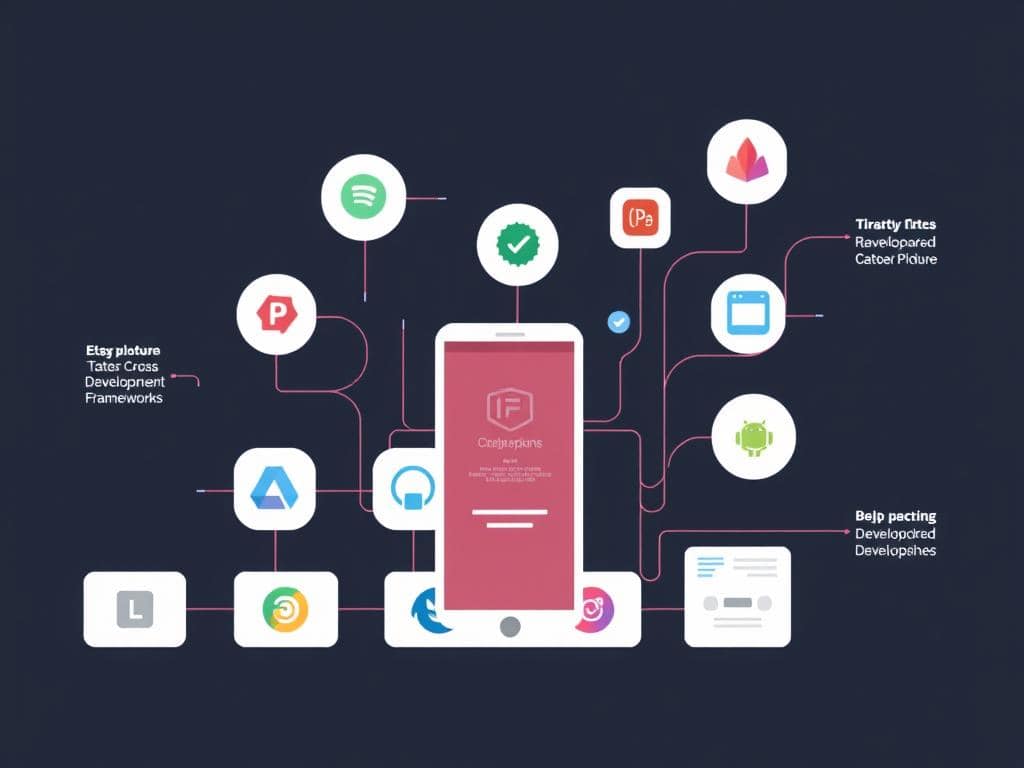
The choice between native and cross-platform development languages depends on factors like performance requirements, development efficiency, and the desired user experience. As mobile development continues to evolve, languages are adapting to address challenges such as battery optimization, offline functionality, and integration with device features.
Programming Languages for Data Science and AI
As data science and artificial intelligence continue to reshape industries, the choice of programming language has become a critical decision for professionals in these fields.
Python’s Dominance in Data Science
Python has emerged as a leading language in data science and AI, thanks to its extensive libraries and frameworks. Libraries like NumPy, Pandas, scikit-learn, and TensorFlow have made Python the go-to language for data analysis and machine learning. Its simplicity and flexibility allow data scientists to focus on extracting insights from data rather than worrying about the intricacies of the language itself.

R for Statistical Computing
R is a powerful language and environment specifically designed for statistical computing and data visualization. Widely used in data science, academic research, and analytics, R offers an extensive suite of packages for data manipulation, graphical representation, and statistical analysis. Its capabilities make it a preferred choice among statisticians and data scientists who require precise control over their data analysis.
Julia for Scientific Computing
Julia is a high-performance language that has gained popularity in scientific computing and numerical analysis. It offers the ease of use associated with Python, with speeds approaching those of C. This makes Julia an attractive option for researchers and data scientists who need to perform complex computations without sacrificing performance.
SQL for Database Management
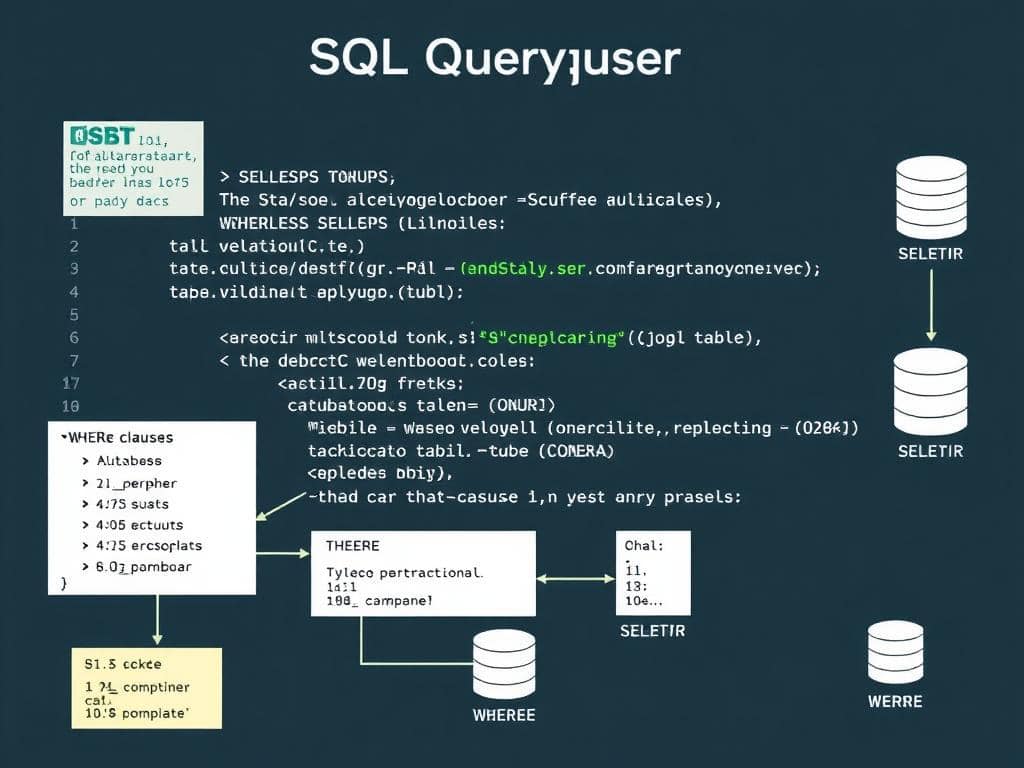
SQL is a crucial language for database management, allowing data scientists to query, manipulate, and analyze structured data in relational databases. Its importance cannot be overstated, as it provides a standardized way of interacting with databases, making it an essential tool in the data science ecosystem.
In conclusion, the choice of programming language for data science and AI depends on the specific requirements of the project. While Python dominates the field, R, Julia, and SQL each have their own strengths and are used in various contexts. Understanding the capabilities and limitations of each language is crucial for making informed decisions in data science projects.
Programming Languages for Game Development
In the multi-billion dollar game development industry, the selection of programming languages is a key factor in determining the success of a game. Game development involves a range of programming languages, each with its strengths and ideal applications.
C++ in Game Development
C++ is a foundational language in game development, particularly for high-performance game engines like Unreal Engine. Its low-level capabilities allow developers to maximize hardware performance, making it ideal for graphics-intensive games. C++’s efficiency and flexibility have made it a staple in the industry.
Key advantages of C++ in game development: direct access to hardware, high performance, and control over memory management.
C# with Unity

C# is the primary language for Unity, one of the most popular game engines. Unity’s balance of performance and ease of use makes it accessible for indie developers and suitable for complex AAA titles. C# is used for scripting game logic, interacting with the Unity engine, and creating game tools.
The Unity engine’s extensive libraries and C#’s modern design make it an attractive choice for developers.
JavaScript for Browser Games

JavaScript is used for browser-based games, leveraging frameworks like Phaser and Three.js to create sophisticated web games without plugins. JavaScript’s versatility and the ubiquity of web browsers make it an ideal choice for developing games that can be played across different platforms.
The use of JavaScript in game development highlights the evolving nature of the industry, with web technologies becoming increasingly important.
How to Choose the Right Programming Language
As the technology landscape continues to evolve, understanding how to choose the right programming language is essential. With numerous programming languages available, each with its strengths and weaknesses, making an informed decision can be challenging.
The first step in selecting a programming language is to consider your project requirements. Different projects demand different characteristics from a programming language. For instance, if you’re developing a web application, you might prioritize languages with robust web development frameworks like JavaScript for client-side scripting or Python for server-side logic.
Consider Your Project Requirements
When evaluating project requirements, consider factors such as performance needs, platform constraints, and integration with existing systems. For example, if your project requires high performance, languages like C++ might be more suitable due to their compilation to native machine code, offering faster execution.
Moreover, the choice of programming language can significantly impact the development speed and maintenance costs. Languages with extensive libraries and frameworks can accelerate development, while languages with strong type systems can reduce runtime errors.
Evaluate the Learning Curve
Another crucial factor is the learning curve of the programming language. Beginners might find languages like Python or JavaScript more accessible due to their simplicity and the extensive resources available. On the other hand, languages like C++ or Haskell might require more time and effort to master due to their complex syntax and nuances.
Understanding the learning curve helps in planning the resources and time required for a project. It’s also essential for individuals looking to enhance their skills and expertise in a particular area of programming.
Assess Community Support and Resources
The community support and available resources for a programming language play a vital role in its adoption and usability. A language with an active community and comprehensive documentation can significantly ease the development process. For instance, languages like Python and JavaScript have vast communities and a wealth of learning resources, making them more attractive for new projects.
When choosing a programming language, it’s also important to consider your career goals and the job market. Certain languages are more in demand in the industry, and having proficiency in those languages can enhance job prospects.
In conclusion, choosing the right programming language involves a careful evaluation of project requirements, the learning curve, and community support. By considering these factors, you can make an informed decision that aligns with your personal or organizational goals, ultimately enhancing your programming skills and expertise.
Resources for Learning Programming Languages
The world of programming languages is vast and diverse, and having the right resources can make all the difference in learning them effectively.
Online Courses and Tutorials
Online learning platforms like Coursera, Udemy, and freeCodeCamp offer structured courses in various programming languages for learners at all levels. For instance, the University of Michigan’s Python for Everybody Specialization on Coursera is a popular choice for those looking to learn Python.

Coding Bootcamps
Coding bootcamps have gained popularity as intensive, immersive learning experiences that can quickly prepare students for entry-level programming positions. Top coding bootcamps like General Assembly and App Academy offer comprehensive training in programming languages.
Books and Documentation
Essential programming books and official documentation serve as valuable references for both beginners and experienced developers. Books like “Code Complete” by Steve McConnell and “Clean Code” by Robert C. Martin are highly recommended.

Practice Platforms and Communities
Interactive coding platforms like LeetCode, HackerRank, and CodeWars provide hands-on practice and skill assessment through coding challenges. Community resources like Stack Overflow, GitHub, and language-specific forums are also invaluable for seeking help and collaborating with other programmers.

By combining these resources and creating a personalized learning path, individuals can effectively learn programming languages and develop their skills.
Future Trends in Programming Languages
As we approach 2025, the programming landscape is on the cusp of a revolution, driven by emerging technologies and innovative programming languages. The future of software development is being shaped by several key trends that are likely to have a significant impact on the industry.
Emerging Programming Languages
Newer programming languages like Rust, Go, Kotlin, and Swift are gaining momentum and may become more dominant in the coming years. These languages are designed to address specific challenges and offer improved performance, security, and developer productivity. For instance, Rust is being increasingly adopted for systems programming due to its focus on safety and performance.
Specialized languages are also emerging to address unique challenges in domains like quantum computing, blockchain, and the Internet of Things (IoT). These languages are being designed to optimize performance and efficiency in their respective domains.
The Impact of AI on Programming
Artificial intelligence and machine learning are influencing programming language design, with features being optimized for AI development. The incorporation of functional programming concepts into mainstream languages is also improving concurrency and parallelism. Furthermore, low-code and no-code platforms are making software development more accessible to non-programmers, changing the programming landscape.
Programming languages are evolving to address modern challenges like security, energy efficiency, and developer productivity. As technology continues to advance, we can expect programming languages to adapt and innovate, enabling developers to create more sophisticated and powerful applications.
Conclusion
As we navigate the ever-evolving landscape of programming languages, it’s clear that the journey is just as important as the destination. Throughout this article, we’ve explored the diverse world of programming languages, highlighting their unique features, applications, and the roles they play in various development contexts.
The key takeaway is that there is no single “perfect” programming language; instead, different languages are suited to different purposes, projects, and programmer preferences. For instance, Python excels in data science and AI, while JavaScript is a staple for web development. Understanding this diversity is crucial for developers aiming to stay versatile and relevant in the industry.
Learning multiple programming languages can significantly broaden a developer’s perspective and enhance their problem-solving capabilities. Moreover, the concepts learned from one language are often transferable to others, making it easier to pick up new languages once you’ve mastered one. This transferability underscores the importance of approaching learning as a lifelong journey rather than a one-time achievement.
To make the most of this journey, it’s advisable to start with a language that aligns with your career goals but remain open to exploring others as your skills and interests evolve. The future of programming is bright, with languages continuing to evolve alongside technology, creating new opportunities for those who embrace continuous learning and adaptation.
In conclusion, the world of programming languages is dynamic and multifaceted, offering a wealth of opportunities for development and innovation. By staying informed, being adaptable, and continually expanding your skill set, you can position yourself at the forefront of the tech industry, ready to tackle the challenges and opportunities of 2025 and beyond.