
The digital landscape is ever-evolving, and web development plays a crucial role in shaping our online experiences. With over 1.13 billion websites on the internet, the importance of having a robust online presence cannot be overstated.
As I delve into the world of website creation, I’ll break down the complexities of web development into simple, understandable concepts. From coding to maintaining websites and web applications, I’ll cover it all.
By the end of this guide, you’ll have a comprehensive understanding of web development and its significance in today’s digital world.
Key Takeaways
- Understanding the basics of web development and its importance.
- Learning the evolution of web development from static to dynamic applications.
- Gaining insights into the differences between websites and web applications.
- Discovering the various approaches to web development.
- Getting a roadmap to understand all aspects of web development.
What is Web Development?
As I explore the world of web development, it becomes clear that it’s not just about creating websites, but about crafting interactive platforms that engage users. Web development is a multifaceted field that involves a range of tasks and processes to create and maintain websites and web applications.
Definition and Scope
Web development broadly refers to the tasks associated with creating and maintaining a website. This encompasses everything from markup and coding to scripting, network configuration, and CMS development. The scope of web development is comprehensive, covering aspects such as coding, design, content production, client-side/server-side scripting, and security configuration. To get started with web development, a significant part involves learning various programming languages, which could be front-end languages like HTML, CSS, and JavaScript, or back-end languages like Python, PHP, Java, and Ruby.
The Evolution of the Web
The web has undergone significant evolution since its inception. Originating with Tim Berners-Lee in 1989, the web has transitioned through various phases, from Web1.0 to Web2.0, and into the current Web3.0 era. This evolution has transformed web development from basic HTML pages to sophisticated applications using advanced programming languages and frameworks. The development process now involves a range of technologies and tools, making it a complex and dynamic field that continues to grow and adapt to new technologies and user needs.
The evolution of web development has also led to the creation of various web applications, which are now an integral part of modern life, influencing how we communicate, work, and access information. As web development continues to advance, it is likely to play an even more significant role in shaping our digital experiences.
Why Web Development Matters in Today’s Digital World
The digital landscape is evolving rapidly, and web development is at the forefront of this transformation. As we witness an unprecedented number of people connecting through the internet, the demand for skilled web developers continues to grow.
Can you believe that we’re part of a world where over 5.52 billion people are connected through the internet? That’s more than half of our global population actively engaging in research, connection, education, and entertainment through this incredible digital universe. Given the rapidly increasing number of internet users, it’s no surprise that web development is a rapidly expanding industry.
Growth of Internet Usage
The explosive growth of internet usage worldwide has created an unprecedented demand for web development skills. As more people come online, businesses and organizations are recognizing the need for a robust digital presence.
Career Opportunities in Web Development
The employment of web developers is expected to grow by 8% through 2033, which is faster than most other technology careers. This growth rate highlights the vast career opportunities in web development, making it an attractive field for individuals looking to start or transition into a new career.
Impact on Businesses and Organizations
Websites and web applications have transformed from optional business tools to critical infrastructure for organizations of all sizes. As a result, web development skills have become essential across industries, not just in technology companies but in virtually every business sector.
As noted by industry experts, “The future of business is digital, and web development is the backbone of this digital transformation.” This underscores the importance of web development in creating economic opportunities through e-commerce, digital marketing, and online service delivery.
Web Development vs. Web Programming: Understanding the Difference
The terms ‘web development’ and ‘web programming’ are often used interchangeably, but they have distinct meanings that are crucial for understanding the scope of work involved in creating websites or web applications.
To clarify, web development encompasses the overall process of creating websites or web applications, including the project’s design, layout, coding, content creation, and functionality. It involves using a combination of programming languages, tools, and frameworks to bring a website or web application to life.
Web Development: The Broader Perspective
Web development is a broad field that includes not just coding, but also design, layout, and content creation. It may also encompass project management activities, such as fielding development requests from stakeholders or freelance clients. As noted by a leading web development expert, “Web development is about creating an engaging user experience through a combination of technical skills and creativity.”
“Web development is a multifaceted process that requires a blend of technical, creative, and managerial skills.”
Web Programming: The Coding Focus
On the other hand, web programming specifically refers to the coding and scripting of a website, whether the front-end or back-end. It primarily involves writing code to handle data, process user inputs, and generate dynamic content. A proficient web developer must have a strong understanding of programming principles to effectively carry out this work.
Understanding the difference between web development and web programming can help individuals better define their career paths or communicate more effectively when hiring web professionals. For instance, a project might require a team with a mix of skills, including both web development and web programming expertise.
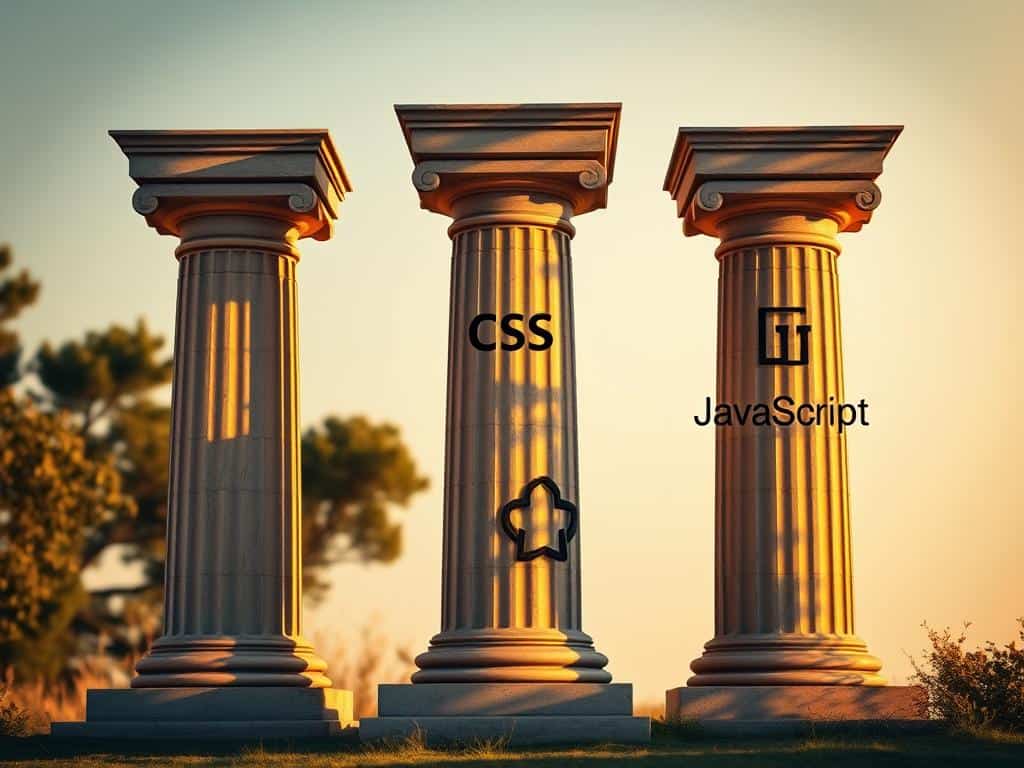
The Three Pillars of Web Development
The world of web development is supported by three fundamental pillars that work together to bring websites and applications to life. As I delve into the realm of web development, it becomes clear that understanding these pillars is crucial for creating comprehensive digital solutions.
The three primary aspects of web development are front-end development, back-end development, and full stack development. Each of these components plays a vital role in the creation of a web application or site, ensuring it is both functional and user-friendly.
Front-End Development
Front-end development focuses on the client-facing side of web development, involving the creation of visual elements, user interface, and user experience components. Front-end developers use HTML, CSS, and JavaScript to craft responsive, accessible, and visually appealing interfaces that users interact with directly.
Back-End Development
In contrast, back-end development involves building the server-side logic, database components, and application functionality that power websites behind the scenes. Back-end developers work with languages like Python, PHP, Ruby, and Java to build the infrastructure that processes data, authenticates users, and connects to databases, ensuring the overall functionality of the application.
Full Stack Development
A full stack developer is someone who is familiar with both front-end and back-end development. Full stack developers understand a wide variety of programming languages and can work across the entire web development spectrum. Their versatility often places them in leadership roles on projects, as they can bridge both worlds and offer a holistic understanding of web projects.
In conclusion, the three pillars of web development – front-end, back-end, and full stack development – are interdependent and crucial for creating robust, user-friendly, and visually appealing web applications. Understanding these components is essential for anyone looking to pursue a career in web development or for businesses aiming to establish a strong online presence.
Essential Web Development Concepts for Beginners
Before diving into coding, it’s vital for aspiring web developers to familiarize themselves with the essential concepts that drive the web. Understanding these fundamentals will provide a solid foundation for further learning and career development in web development.
How Websites Work
Websites are essentially files stored on servers, which are powerful computers connected to the internet. When you enter a website‘s address into a web browser, it retrieves the required files from the server and displays them on your device. This process involves a complex interplay between the client (your device), the server, and the internet connection.
IP Addresses and Domain Names
To access a website, you need to know its Internet Protocol (IP) address or its corresponding domain name. An IP address is a unique string of numbers that identifies a device on the internet. The Domain Name System (DNS) translates user-friendly domain names into these machine-readable IP addresses, making it easier for users to access websites without memorizing complex IP addresses.
HTTP and HTTPS Protocols
The Hypertext Transfer Protocol (HTTP) and its secure version, HTTPS, govern how information is transmitted between web servers and browsers. HTTPS adds an extra layer of security by encrypting the data exchanged between the client and server, protecting sensitive information from interception. Understanding the difference between HTTP and HTTPS is crucial for web developers to ensure the security of the sites they build.
Web Browsers and Servers
Web browsers like Google Chrome or Safari play a critical role in interpreting and rendering HTML, CSS, and JavaScript code to display websites to users. On the other hand, web servers respond to client requests, process information, and deliver the appropriate files back to the user’s browser. The interaction between browsers and servers is fundamental to the functioning of the web.
In conclusion, grasping these essential web development concepts is vital for beginners. It lays the groundwork for understanding more advanced topics and enables aspiring developers to build robust, secure, and user-friendly websites.
Front-End Web Development: Creating What Users See
Creating a seamless user experience is at the heart of front-end web development, involving a delicate balance of structure, style, and functionality. As I explore the world of web development, it becomes clear that the front-end is where the magic happens, bringing together various elements to create visually appealing and interactive web pages.
The front-end of a website is what users interact with directly, making it crucial for web development. When information is transferred from a server to a browser, front-end coding languages enable the website to function without needing constant communication with the internet. This is achieved through three core technologies: HTML, CSS, and JavaScript.
HTML: The Structure
HTML (Hypertext Markup Language) provides the structure and organization of content on a webpage. It defines elements such as headings, paragraphs, images, and links that form the skeleton of any website. Without HTML, a web page would not have a backbone to support its content.
CSS: The Style
CSS (Cascading Style Sheets) is responsible for styling and layout, enhancing the presentation of HTML elements and making the application visually appealing. It controls layout, colors, fonts, and responsive behavior across different devices, transforming basic HTML into a visually stunning design.
JavaScript: The Functionality
JavaScript is used to add interactivity and dynamic functionality to web pages. It enables features like form validation, animations, and real-time updates, making the user experience more engaging. By incorporating JavaScript, developers can create a more interactive and responsive web environment.
In conclusion, front-end development relies on the synergy between HTML, CSS, and JavaScript to create what users see and interact with. By understanding and leveraging these technologies, developers can craft engaging and interactive web pages that enhance the user experience.
Back-End Web Development: Building the Engine
As the unseen force behind the internet, back-end web development plays a vital role in shaping our online experiences. It’s the engine that powers websites, processing data, managing user authentication, and connecting to databases. In essence, back-end development involves building the server-side logic and database components of a web application, ensuring the overall functionality of the application.
Server-Side Programming Languages
The choice of server-side programming language is crucial in back-end development. Popular options include Python, PHP, Ruby, Java, and Node.js, each with its strengths and common use cases. For instance, Python is known for its simplicity and is often used in data science and machine learning applications.
PHP is another widely used language, particularly for web development, due to its ability to interact with databases efficiently. Ruby is known for its simplicity and ease of use, making it a favorite among beginners. Java is a robust language used in large-scale applications, and Node.js allows for JavaScript to be used on the server-side, making it a versatile choice.
Databases and Data Management
Effective data management is critical in back-end development. This involves choosing between relational databases like MySQL and PostgreSQL, or NoSQL databases like MongoDB. Relational databases are ideal for structured data, while NoSQL databases offer flexibility for handling unstructured or semi-structured data.
Data is stored, organized, and retrieved from these databases, making database management a key aspect of back-end development. Ensuring data integrity, security, and scalability is paramount.
APIs and Web Services
APIs (Application Programming Interfaces) and web services enable different software systems to communicate with each other. They act as bridges, allowing for the exchange of data between applications. Back-end developers design and implement APIs to facilitate this interaction, ensuring that data is exchanged securely and efficiently.
In conclusion, back-end web development is a complex and multifaceted field that involves server-side programming, database management, and API integration. As the backbone of the web, it requires a deep understanding of various technologies and programming languages to build robust, scalable, and secure web applications.
The Web Development Process from Start to Finish
Understanding the web development process is crucial for successful project execution. It involves several stages that transform an idea into a fully functional website.
Planning and Analysis
The first stage of the web development process is planning and analysis. This involves gathering project requirements, identifying user needs, and defining technical specifications. It’s a critical phase that lays the foundation for the entire project.
Design and Prototyping
Next is the design and prototyping stage, which includes wireframing, mockups, and user experience design. This stage establishes the visual direction of the website before any coding begins.
Development and Testing
The development phase follows, where front-end and back-end coding takes place. This transforms designs into functional websites through HTML, CSS, JavaScript, and server-side languages. The testing process ensures the quality of the site, including functional, compatibility, performance, and user acceptance testing.
Deployment and Maintenance
Once testing is complete, the website is deployed to a live server. This involves domain configuration, SSL implementation, and final checks. After launch, ongoing maintenance is required, including content updates, security patches, performance optimization, and feature enhancements to keep the site running smoothly.
The web development process is complex and multifaceted, requiring careful planning, execution, and ongoing maintenance. By understanding the different stages involved, developers can ensure the successful execution of web development projects.
Essential Tools for Web Developers
To work efficiently and produce high-quality websites, web developers need to be familiar with a range of essential tools. These tools not only streamline the development process but also enable developers to deliver top-notch websites that meet client expectations.
Code Editors and IDEs
When it comes to writing clean, efficient code, the choice of code editor or Integrated Development Environment (IDE) is crucial. Popular options include Visual Studio Code, Sublime Text, and WebStorm. Each of these editors has its unique features and benefits, such as syntax highlighting, code completion, and debugging capabilities.
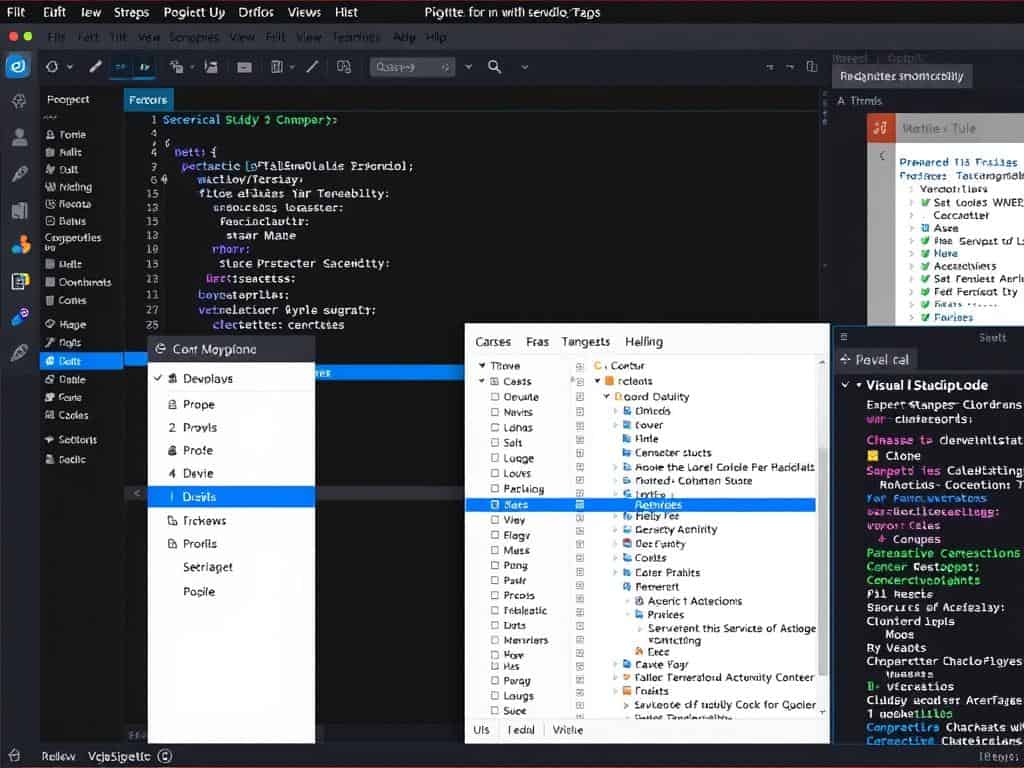
For instance, Visual Studio Code is known for its versatility and extensive library of extensions, making it a favorite among many web developers.
Version Control Systems
Version control systems, particularly Git and platforms like GitHub, GitLab, and Bitbucket, play a vital role in web development. They enable collaboration, code history tracking, and project management, making it easier for teams to work together on complex projects.
By using version control systems, web developers can ensure that changes are tracked, and projects are managed efficiently.
Browser Developer Tools
Browser developer tools available in Chrome, Firefox, and other browsers allow developers to inspect, debug, and optimize websites directly in the browser. These tools provide valuable insights into website performance and help developers identify areas for improvement.
By leveraging browser developer tools, web developers can refine their work and ensure that websites function as intended.
Content Management Systems in Web Development
Content Management Systems (CMS) are web applications that enable users to create, edit, and manage web content. A CMS isn’t necessarily the same thing as a site builder, such as Squarespace or Wix. While not required to build a website, using a CMS makes things easier by providing the building blocks (like plugins and add-ons) and letting you create the structure with your code.
What is a CMS?
A Content Management System is a vital tool for simplifying web development. It separates content from presentation, allowing non-technical users to update website content without needing to understand HTML or other programming languages.
Popular CMS Platforms
Popular CMS platforms include WordPress, Drupal, and Joomla. Each has its strengths, weaknesses, and ideal use cases. For instance, WordPress is known for its ease of use and extensive plugin library, making it ideal for blogs and ecommerce sites. Drupal, on the other hand, is more suited for complex sites that require robust security and scalability.
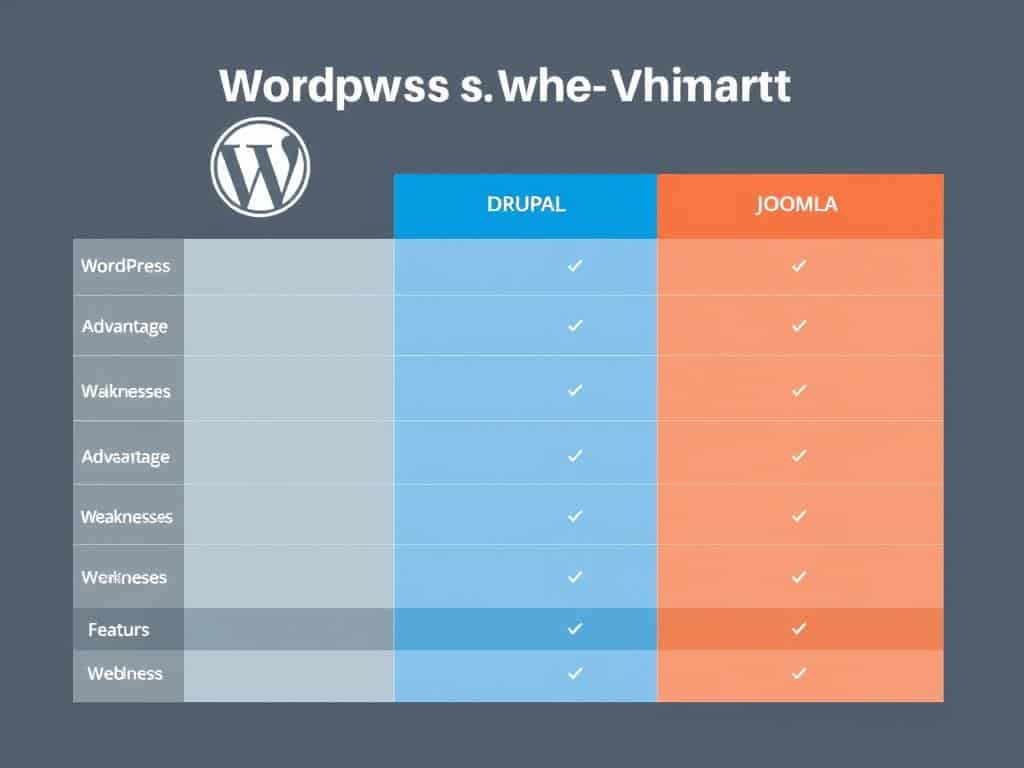
Headless CMS solutions are gaining popularity for their flexibility in delivering content to multiple platforms and devices. CMS platforms can be extended with plugins, themes, and custom code to create highly customized websites while maintaining the ease of content management.
Responsive Design and Mobile-First Development
As web development continues to evolve, the importance of responsive design and mobile-first strategies cannot be overstated. With more than half of all web traffic coming from mobile devices, ensuring that websites are accessible and visually appealing across various devices and screen sizes is crucial.
Why Responsive Design Matters
Responsive design is an approach to web development that ensures sites function optimally across all devices, from desktop computers to smartphones. This is achieved through the use of CSS media queries and flexible layouts that adapt to different viewing environments. By prioritizing responsive design, developers can significantly enhance the user experience, leading to improved engagement and conversion rates.
Implementing Mobile-First Strategies
A mobile-first development strategy involves designing for mobile devices first before scaling up to larger screens. This approach ensures that the most critical elements of a website are prioritized and that the user experience is optimized for smaller screens. By implementing mobile-first strategies, developers can create web applications that are both visually appealing and highly functional across various devices.
To effectively implement responsive design, it’s essential to use relative units like percentages and viewport units, and to optimize images and media for different devices. Testing responsive designs across multiple devices and browsers is also crucial to ensure consistent experiences for all users.
Web Development Frameworks and Libraries
Web development frameworks and libraries are crucial for efficient and effective web application development.
Frameworks and libraries are pre-written code collections that accelerate development by providing standardized ways to build common features. They enhance developer productivity and contribute to the maintainability of large-scale applications.
Front-End Frameworks
Front-end frameworks provide a foundation for building user interfaces and client-side logic. Popular front-end frameworks include React, Angular, and Vue.js.
React is a JavaScript library for building user interfaces, maintained by Facebook. It allows developers to create reusable UI components. Angular is a TypeScript-based framework developed by Google, providing a comprehensive solution for building dynamic single-page applications. Vue.js is a progressive JavaScript framework that is approachable yet powerful.
Back-End Frameworks
Back-end frameworks simplify server-side development by providing structures and tools for database integration, API connectivity, and more. Popular back-end frameworks include Express.js (Node.js), Django (Python), Ruby on Rails, and Laravel (PHP).
These frameworks implement the MVC (Model-View-Controller) pattern and other architectural patterns to organize code and separate concerns, making it easier to maintain and scale web applications.
Learning Path for Aspiring Web Developers
Web development is a field that requires a strategic approach to learning, and I’m here to guide you through the process.
As recommended by Software Engineer and Tech Writer Muhammad Anser, “For most people hoping to break into web improvement, you should center around working up an establishment in both front-end and back-end advancement first.” This advice is crucial in today’s digital landscape, where the demand for web developers is expected to grow 15 percent by 2026.
Essential Skills to Master
To become a proficient web developer, it’s essential to master a range of skills. These include HTML, CSS, and JavaScript, which form the foundation of front-end development. Additionally, understanding version control systems like Git, responsive design principles, and basic server-side concepts will enhance your versatility as a developer.
Resources for Learning Web Development
There are numerous resources available for learning web development. Online courses on platforms like Coursera and Udemy offer structured learning paths. Documentation and tutorials on sites like MDN Web Docs provide in-depth knowledge.
Coding bootcamps and community forums are also valuable resources for gaining practical experience and staying updated with industry trends.
Building Your Portfolio
Building a portfolio of projects is crucial for demonstrating your skills to potential employers or clients. Start by working on personal projects or contributing to open-source initiatives. This hands-on experience will not only enhance your skills but also provide tangible evidence of your capabilities as a web developer.
Conclusion
As we conclude our comprehensive guide to web development, it’s clear that this field is both an art and a science. Throughout this guide, we’ve explored the fundamental concepts, tools, and techniques that developers use to build and maintain websites and web applications.
Web development combines technical skills with creativity to create digital experiences that millions of people interact with daily. The field is constantly evolving, with new technologies, frameworks, and best practices emerging regularly. To succeed, developers must be committed to ongoing learning and professional experience.
If you’re looking to get started in web development, focus on building a strong foundation in the fundamentals before specializing. With persistence and dedication, you can develop the skills needed to create innovative and effective websites and web applications. A career in web development offers the satisfaction of creating something tangible, continuous learning opportunities, and a strong job market.
By acquiring web development skills, you’ll be empowered to bring your ideas to life and potentially reach a global audience through the internet. Whether you’re looking to work on a personal project or join a professional team, the world of web is full of possibilities.